
The Americas

Central banks see cyber attacks as key financial stability risk
Respondents also reveal other elevated risks, including geopolitics and tariffs
Cyber attacks rise in three-fifths of jurisdictions
Central banks lacking incident response team report highest rate of attacks

Fed’s new leverage ratio: the horse that never left the gate
Most of the biggest dealers aren’t leverage constrained now, and experts are sceptical that banks will use the extra capacity for Treasuries

People: BSP appoints new deputy governor for supervision
Plus: Kenya lines up Nokia’s country chief for seat on board, and head of US crypto council steps down
Majority of central banks have analysed effects of tariffs
Spike in levies seen as having varying degrees of impact on financial stability
Only 30% of central banks conduct non-bank stress-testing
Exercise tends to be less common in institutions with smaller financial stability teams
Most central banks seek improved regulatory frameworks
Key areas include laws on systemically important banks, liquidity risks, insurance and fintechs
Limit on insured bank deposit payouts averages $50,000
One in 10 jurisdictions lack any deposit insurance fund
Two in five central banks see need for more macro-pru tools
Caps on loan-to-value ratios are respondents’ most actively used policy

Trump picks Miran to replace Kugler on Fed board
Adviser set to take up role until January as president continues search to replace Powell as chair
AI most widely used for document preparation in financial stability
Smaller financial stability teams less likely to utilise technology

People: Bowman to chair FSB supervisory committee
Plus: New governor in DRC and Rwandan deputy governor steps aside to become PM
Central banks with resource deficiency tend to pay higher salaries
Average financial stability budget also higher in units with that report non-staff resource shortage
Financial stability staff sufficiency improves year on year
Most central banks report contentment with non-staff resources
Most central banks co-ordinate monetary and financial stability tools
Cross-scenario evaluation and committee overlap cited as areas of interaction

Fed holds rates, despite pressure from White House
Experts say stance is in response to Trump’s trade policies and lament his attacks on central bank

Bank of Canada holds rates as core inflation heats up
Governor points to tariffs, but economist highlights “mystery” of core metric’s divergence from headline measure

Chile cuts rates for first time this year
Central bank says more easing to come as US tariff threats on copper complicate outlook

Fed hears renewed calls for tuneup of G-Sib surcharge
Failure to revisit 2015 methodology has led to inflated systemic risk scores, experts say
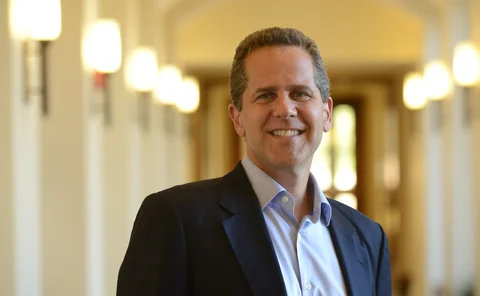
Barr slams weakening of bank supervisory tests
Fed governor warns deregulation during boom times ushers in crises

Judy Shelton on gold, tariffs and where the Fed went wrong
The potential successor to Jerome Powell discusses why she thinks the Fed is too powerful, why her stance on gold is not a ‘crank’ position, and why she feels events have vindicated her and president Trump on the need for rate cuts
Supervisors widely use suptech tools for data collection and validation
AI use is growing but remains much less widespread than suptech
Resolution framework update planned by 56% of supervisors
Non-central bank supervisory authorities less likely to have bail-in powers
Collateral pre-positioning reported in half of jurisdictions
Most supervisors believe banks are ready to access emergency central bank liquidity