
Interview
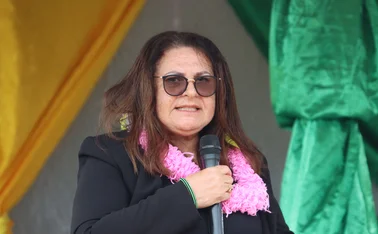
Pacific series: PNG’s governor on 40 years at the central bank and her plans for its future
Elizabeth Genia speaks about reaching remote communities, FX, green finance and leadership
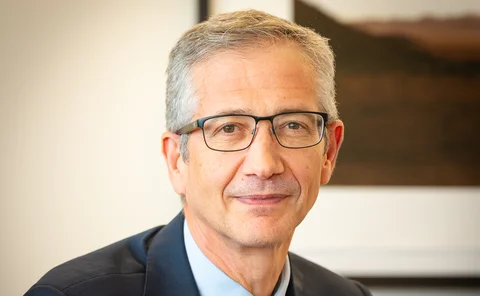


Mamerto Tangonan on the Philippines’ glocal digital ecosystem
Deputy governor shares insights on the nexus of wCBDC and digital sovereign bonds, multilateral payments governance and 'smart' global trade

Democracy crucial to central banks’ independence, Wunsch says
National Bank of Belgium governor says invective is crowding out rational discourse

Pacific series: Climate is top issue for Fiji’s governor Ariff Ali
Head of central bank speaks about climate, inclusion, modernisation and vulnerability ahead of his likely retirement next year, following 30 years at institution

Regulators better prepared for next Credit Suisse, says SRB head
FSB strengthening guidance on international co-operation, but EU needs more mutual support
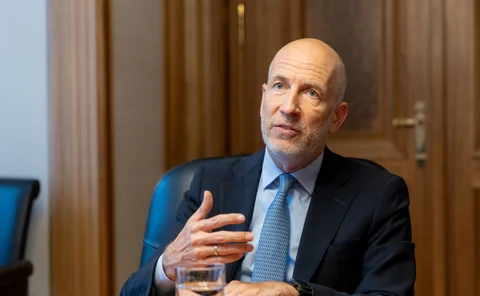
The OeNB’s Martin Kocher on the Eurosystem’s inflation outlook
The Austrian central bank’s governor speaks about ECB succession, forward guidance and eurobonds, as well as lessons from QE losses, access to cash interventions and Austria’s excessive deficit procedure

Ukraine’s ESG lessons from a war zone
NBU governing council member Olena Shcherbakova speaks about how environmental, social and governance rules can be adapted for dual-use and defence requirements

Naji Issa on Libya’s reform efforts and why he threatened to quit
The Central Bank of Libya governor speaks about the need for national unity and fiscal responsibility, digital transformation and exchange rate reforms

Podcast: Quantum and the Fed
The Fed's quantum computing strategy as AI accelerates Q-day
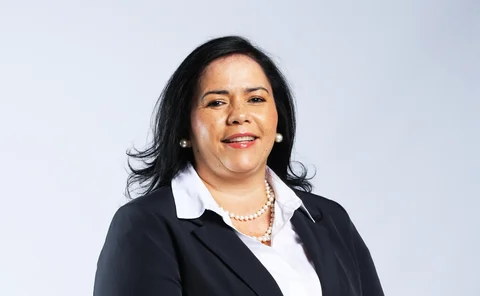
Leonie Dunn on Namibia’s technological advances
Deputy governor reflects on instant payments launch and digital transformation at the central bank, against a challenging macroeconomic backdrop

Comms staff need to reflect on how their messages are perceived
BoE’s Eric Tong discusses research probing how the public receives central bank messages via the media

Mampho Modise on payments reforms and the hierarchy of money
Sarb's deputy governor discusses conflicting crypto directives, wholesale CBDC plans, expensive remittance and a Brics gold-backed settlement unit
Podcast: How central banks evade sanctions
Iran, North Korea and Russia are increasingly sharing digital infrastructure and playbooks

Juha Park on the BoK’s updated monetary policy framework
Bank of Korea’s head of monetary policy communication says pre-Shin updates align with new governor’s thinking
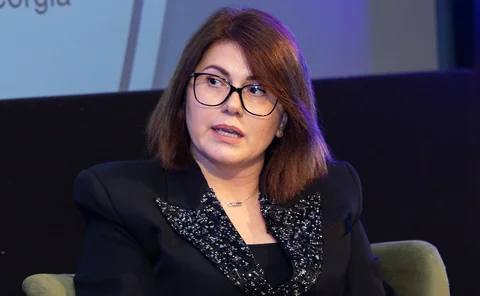
Nino Jeladze on overseeing Georgia’s fintech hub ambitions
National Bank of Georgia’s vice-governor speaks about efforts to develop stablecoin and fintech rules that encourage innovation while safeguarding monetary transmission and financial stability

Everything you always wanted to know about money (but were afraid to ask)
Rupal Patel and Jack Leslie, authors of ‘Money: the inside story’, speak about how central banks can improve their comms – and credibility – by tackling popular misconceptions about how finance works

Jasmina Selimović on managing Europe’s last currency board
The Central Bank of Bosnia and Herzegovina governor speaks about building resilience to counter geoeconomic shocks, strengthening reforms amid EU convergence, addressing stablecoin and NBFI risks, Sepa integration, and capacity building.

Odean White on cyber, natural disasters and geopolitical risks
Bank of Jamaica’s chief risk officer discusses weather event contingency planning, the impact of ‘shocks’ on policy, being proactive on quantum, and countering phishing and AI-enabled attacks

Soledad Núñez on the future of European financial stability
Spanish deputy governor discusses global regulation and lessons from extreme weather

Banque de France’s Denis Beau on supervisory reform
The Banque de France’s deputy governor speaks about suppression of the systemic risk buffer, proposals for a TLAC floor, and simplifying bank regulation and resolution

Elizabeth McCaul on the need for resilience in cyber security
Former ECB official explains why response preparedness is more important than predicting attacks