
Book reviews
Book notes: The unanchored central banker, by Manoj Pradhan and Charles Goodhart
A book sparkling with provocative opinions that challenges readers to rethink central banking amid evolving macro trends



Book notes: Walter Bagehot, by Janet Seaton and Barry Winetrobe
This slim biography succeeds in its mission of painting a portrait of a remarkable man
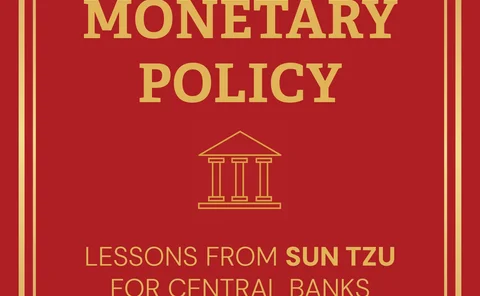
Book notes: The art of monetary policy, by Kristin Forbes
The message that effective monetary policy-making requires judgement, flexibility and realism alongside technical expertise is both persuasive and highly relevant
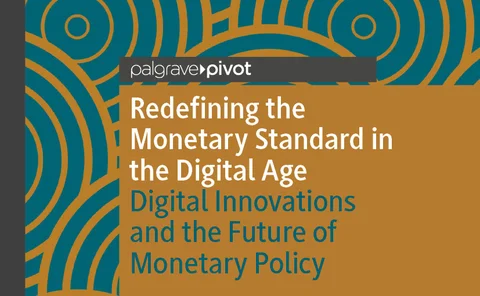
Book notes: Redefining the monetary standard in the digital age, by Livio Stracca
A comprehensive and readable account of what digitalisation could mean for monetary policy

Book notes: Everybody loves our dollars, by Oliver Bullough
The author poses serious questions about whether central banks’ activities are helping kleptocrats
Book notes: Money beyond borders, by Barry Eichengreen
Lessons from economic history indicate the dollar’s decline could result in a messy transition that spawns a global crisis
Book notes: Can Europe survive? By David Marsh
Marsh poses important questions and cannot be blamed for failing to produce a roadmap to continental salvation

Book notes: The doom loop, by Eswar S Prasad
A persuasive analysis of a new world disorder that will bring an end to central bank independence

Book notes: Before the Fed, by Jon Moen and Mary Tone Rodgers
A significant contribution to understanding private-sector financial crisis responses, relevant to today’s lender-of-last-resort function
Book notes: 1929: the inside story, by Andrew Ross Sorkin
A compelling narrative offering fresh perspectives on the key characters, events and implications of the great crash

Book notes: The London Consensus, by Tim Besley, Irene Bucelli and Andrés Velasco
The authors set out guidelines to address shortcomings linked to the Washington consensus, but implementation will be a challenge
Book notes: Money in crisis, by Ignazio Angeloni and Daniel Gros
This book should be essential reading for policy-makers at a time of uncertainty and technological change

Book notes: Crisis cycle, by John H Cochrane, Luis Garicano and Klaus Masuch
This book ought to be read by anyone with an interest in or influence on the future development of the Emu

Book notes: Bankers’ trust, by Aditi Sahasrabuddhe
A novel investigation into how trust among central bankers – or lack thereof – helped and worsened crises of the past
Book notes: Private finance, public power, Peter Conti-Brown and Sean H Vanatta
A detailed history of bank supervision in the United States from 1789 to 1980
Book notes: King dollar, by Paul Blustein
A well-researched overview of the position of the US currency, providing an optimistic view on the future of ‘king dollar’.

Book notes: How low interest rates change the world, by Jesper Rangvid
This book investigates the possible causes of ultra-low interest rates, the problems low rates cause and the path of future rates
Book notes: Inflation, by Mark Blyth and Nicolò Fraccaroli
An accessible explainer about the narratives surrounding inflation – and who it benefits

Book notes: Making money work, by Matt Sekerke and Steve H Hanke
This book provides a critique of the post-crisis monetary and financial system, proposing changes that deserve to be broadly read

Book notes: Beyond banks, by Dan Awrey
The book proposes thoughtful reforms to establish the same reliability for new monetary IOUs as currently exists for bank IOUs

Book notes: Central banking at the frontier, by Thammarak Moenjak
This well-structured book provides a comprehensive overview of the challenges digitalisation poses for finance and includes possible actions for central banks