
Africa

Behind the scenes of the Bundesbank’s capacity-building programme
A multi-year effort has helped shore up expertise at West Balkan central banks. Will African and former-CIS institutions be equally responsive to Eurosystem technical assistance?

Some payment departments struggle with staffing capacity
Payment teams from Africa and the Americas report highest staff shortage
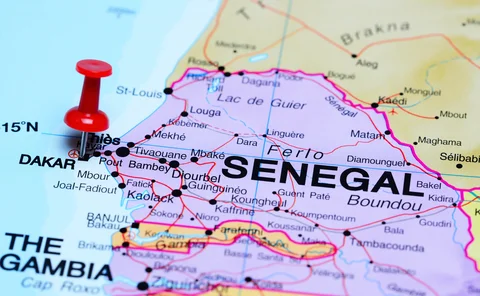
Former central banker appointed as Senegalese prime minister
Decision comes as government grapples with ongoing debt crisis
Payments units have median staffing of 30 FTE personnel
Central banks say they are boosting staff numbers to keep pace with evolving technology

More African nations respond to inflationary effects of Iran war
Mauritius and Rwanda raise rates, though Nigeria, Ghana and Egypt opt to hold

Malawi FX crisis due to structural weakness, says deputy governor
Central bank has taken measures to boost reserves, but says real issue is economic management

Ghana looks to buy 30% of gold from mining companies
Negotiations with multinationals are ongoing as central bank seeks to shore up reserves

Zafar Parker on 25 years of reserve management at the Sarb
Amid evolving risk, the head of financial markets talks about the journey to excess balance transfers to the government as South Africa’s reserves rose from $20bn to $80bn

Uganda holds, but Zambia and Angola opt for cautious cuts
Economist says loosenings were motivated by positive inflation figures in southern African countries

People: DNB governor to chair NGFS
Plus: Sarb appoints new chief economist and Belgium’s queen visits CBRT in Istanbul
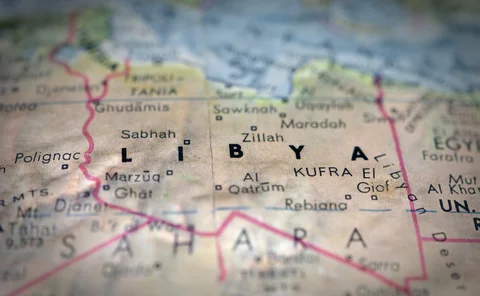
Libya governor calls for clampdown on parallel FX market
Call is likely to be linked to central bank’s recent sale of cash dollars, expert says

Angola’s central bank sells $105m of FX to airlines
Bulk of sales took place in April and coincided with soaring jet fuel prices

Three-fifths of central banks use strategic progress monitoring tools
Respondents with wider set of objectives report highest usage of tools

Sarb ‘very committed’ to 3% target, despite current shock
Iran conflict is causing price pain but situation ‘could be worse’, says governor
Central banks increasingly use KPIs for strategic planning
Practice more widespread in jurisdictions that link annual reviews to all staff

Trends in reserve management 2026: survey results
101 central banks, responsible for $9.5trn+ reserves, reveal exclusive data on FX interventions, if the US dollar is still seen as a safe-haven currency and approaches to investing in 20+ currencies
Strategic control processes often data driven
Processing is implemented quarterly or bi-annually across jurisdictions
Annual reviews usually linked to strategic plans for some staff only
Remuneration commonly not linked with progress on strategic goals
Team leaders increasingly involved in strategic plan implementation
Respondents commonly review plans and re-align objectives after strategic cycles
Number of dedicated strategic planning units rises
Larger central banks more likely to have dedicated units

Libya launches $1bn cash sale to citizens
Central bank attempts to reduce demand for US currency in parallel economy and stabilise dinar
Few central banks involve third parties in strategic plan development
Standard operational budgets remain leading source of funding
Disclosure and supervision are top ESG strategy objectives
Emissions monitoring broadly in focus for central banks with narrower plans
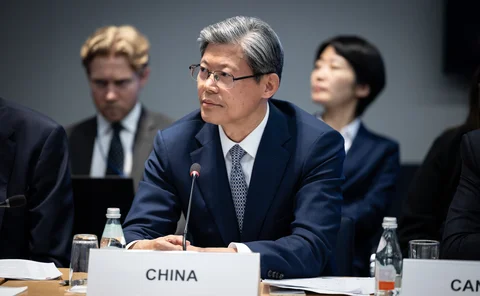
PBoC deputy says Iran war has worsened EMEs’ debt burden
Xuan Changneng calls for better global sovereign debt frameworks