
Central Banking

Frankfurt forces Rome gold backtrack
Government changes plans for a new tax on central bank gold sales

Singapore's central bank posts first ever loss
Global downturn hits MAS in year to March 2009

Eurosystem signs T2S MoU with settlement providers
Central banks and central securities depositories commit to work on T2S
End of the golden age of central banking?
Think tank says central banks face a new era of challenges
Fiji's Reddy: better microfinance data needed
Reserve Bank of Fiji's Sada Reddy on the challenges in developing and promoting microfinance in Fiji
US's Barr: hedge fund advisers must register
US Treasury's Michael Barr on the Obama administration's proposed hedge fund legislation
Central Bank of Ireland – Annual Report 2008
Central Bank and Financial Services Authority of Ireland's John Hurley on Irish banks' balance sheets
Bank of Italy – Economic Bulletin July
Bank of Italy publishes its latest 2009 GDP forecast for Italy

Bagehot 's tenets needs to be revised
New York Federal Reserve investigates whether Bagehot’s 19th lender-of-last-resort doctrine still applies

Italy’s Visco : target global imbalances
Bank of Italy’s Ignazio Visco says that macroeconomic imbalances must be taken care of
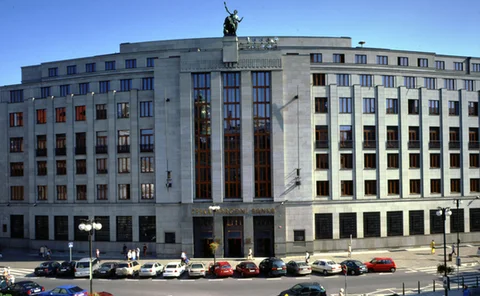
Czechs unconvinced by EC regulatory revamp
Czech National Bank strongly criticises the European Commission’s proposal for financial supervision

Nobel Laureates, GS head sign Fed independence petition
Petition signatories now include three Nobel Laureates, Lloyd Blankfein and Laurence Meyer
Thailand’s Watanagase on financial inclusion
Bank of Thailand’s Tarisa Watanagase on improving financial inclusion
Prices increases of manufactured goods low
Reserve Bank of Australia looks at price movement
Italy to amend tax on gold on ECB opinion
Rome set to cut tax on gold after European Central Bank challenges levy
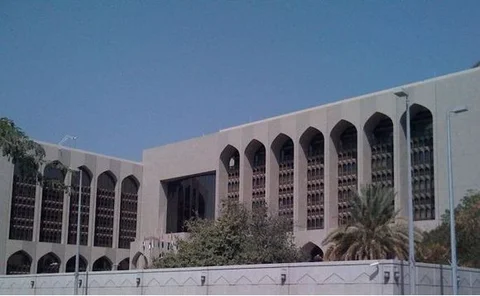
UAE’s Al Suwaidi: we could buy more Dubai debt
Governor Sultan bin Nasser Al Suwaidi indicates central bank may purchase more Dubai bonds after buying $10 billion-worth of debt from the emirate earlier this year
NZ placed on negative watch on growth fears
Fitch switches outlook from stable to negative on concerns over medium-term outlook
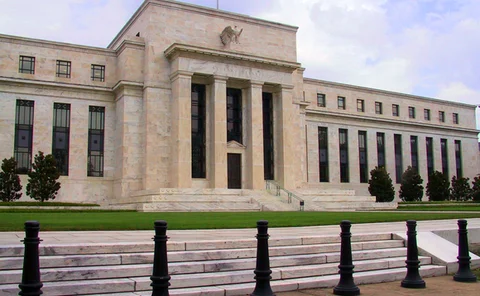
Ex-SEC heads look to limit Fed’s powers
An investor group chaired by two former SEC chairmen says Fed should not be granted responsibility for systemic risk
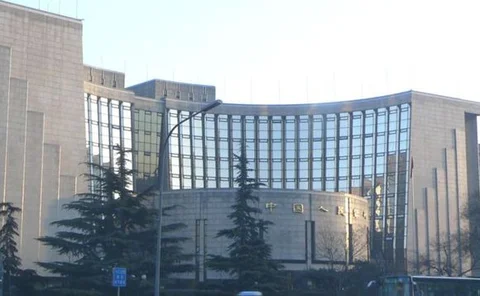
China’s reserves exceed $2 trillion
China’s foreign-exchange reserves reach a new record high
Monetary policy for small economies
Bank of Albania publishes volume on monetary-policy strategies for small economies

Korea should improve management in light of recession
Bank of Korea’s Seongtae Lee says that central bank will enhance management practices for pubic benefit

Japan extends special measures to 2010
Bank of Japan says credit easing and dollar liquidity provision will last until at least the end of this year

European Central Bank – July Monthly Bulletin
ECB calls on euro-area governments to prepare fiscal exit strategies
No need for further euroisation in Cape Verde
International Monetary Fund finds that Cape Verde’s peg to the euro suits its economy just fine