
Central Banking

US policy threatens emerging markets: China’s top regulator
Chairman of China’s regulator says weak dollar and low rates are dangerous to the global economy; echoes recent comments from top Japan, HK officials

NY Fed’s Dudley on improving tri-party repos
New York Federal Reserve’s William Dudley says Fed wants to make tri-party repo system more stable

Israelis’ assets back to pre-crisis levels
Bank of Israel publishes new figures detailing the public’s financial assets portfolio
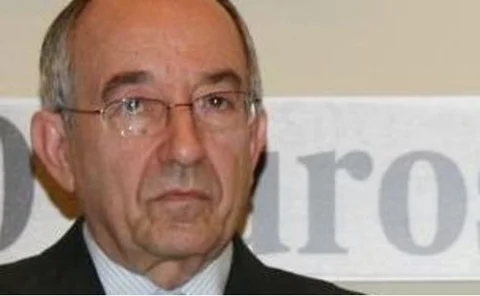
Spain’s Ordóñez plays down dynamic provisioning
Bank of Spain’s governor modest on much-vaunted regulatory tool

India announces payments overhaul
Root-and-branch reform will see Reserve Bank of India investigate the introduction of a new RTGS system, a domestic card initiative and mobile payments settlement

HK’s Tsang fears the Fed
Hong Kong’s chief executive says Federal Reserve is stoking next bubble through near-zero interest rates

Monetary policy impacts effect of fiscal aid
Kansas City Federal Reserve studies the interactions between monetary and fiscal policy

Gold standard did Scandinavia good
Norges Bank examines monetary policy and inflation dynamic of the Scandinavian Currency Union

Canada’s Longworth set to leave
Bank of Canada’s David Longworth announces retirement two weeks after senior deputy Paul Jenkins

Lisbon considering Constancio nomination for ECB VP
Senior lawmaker says other eurozone members receptive to the idea of Portugal’s governor succeeding Papademos next year

Fed bans ATM, debit-card overdraft fees
Federal Reserve says banks will no longer be able to charge overdraft fees for ATM and debit-card payments

ECB’s Tumpel-Gugerell on dangers of all roads leading to Rome
Gertrude Tumpel-Gugerell, an ECB executive board member, says the work of the European Systemic Risk Board would be crucial in future approach to financial stability

Evaluating economy-wide risk measurement tools
Bank of Canada paper acknowledges useful information exists on credit risk models, but argues further work is needed

Woodford unveils new model for transmission mechanism
New York Federal Reserve paper co-authored by Michael Woodford introduces a new model for monetary policy which considers the effects of unconventional policy

BuBa’s Weber: no global regulator without global law
Bundesbank’s Axel Weber says global financial regulator not a good idea as international law not in place

Rules must cover link between liquidity and default: Goodhart, Tsomocos
Interrelationship between liquidity and defaults must be addressed by regulatory proposals

ECB publishes inaugural payments oversight report
European Central Bank reports on robustness of payments systems to increase transparency and public understanding

BIS data show rebound in OTC derivatives
Notional amount of OTC derivatives trades rises by 10% in six months to June after fall in final half of last year
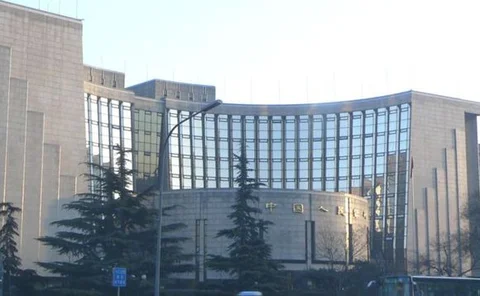
China to keep policy “moderately loose”; hint at yuan appreciation
People’s Bank of China to maintain accommodative policy stance, suggests renminbi appreciation could be possible
Draghi calls for unity to back “major” changes
Financial Stability Board’s Mario Draghi says regulators from across the globe must co-operate to create a world in which no bank becomes too big to fail

Korea holds rates for ninth month
Bank of Korea keeps its base rate unchanged, citing resurgence in domestic economic activity
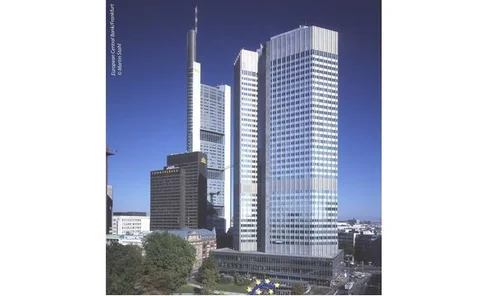
European Central Bank – November Monthly Bulletin
ECB’s monthly report suggests eurozone inflation rates will inch back into positive territory towards the end of the year

Italy’s Draghi welcomes Islamic finance
Bank of Italy’s Mario Draghi says sharing information crucial to the smooth integration of Islamic finance

Separating the casino from the retail bank will not work
A division between investment and retail banking will not prevent future financial crises, Clive Briault, the founder of Risk and Regulation Consulting and a former managing director at the Financial Services Authority, argues