
Central Banking

Euro an anchor of stability: Austria’s Nowotny
Austrian National Bank’s governor says euro-area economic activity could surpass the US

A quarterly GDP series for post-WW2 New Zealand
A new paper from the Reserve Bank of New Zealand creates a quarterly GDP series for the post-war economy

ECB’s Tumpel-Gugerell: rushing euro adoption no fix
European Central Bank’s Gertrude Tumpel-Gugerell says Central and Eastern European countries must fulfil Maastricht criteria to adopt euro

Instability hampers finance: IMF
International Monetary Fund looks at market access for the world’s poorest countries

French regulator refused to help on AIG: Barofsky
Troubled Asset Relief Plan overseer says Commission Bancaire refused New York Federal Reserve’s request for help in reducing payments to counterparties of rescued insurer on legal grounds

Three-way split in Bank’s November QE decision
Minutes reveal calls for both a larger expansion and no change

Fed’s Bullard: rates could stay on hold until 2012
President of St Louis Federal Reserve says rates would remain at record lows for next two-and-a-half years if behaviour after previous recessions is repeated

RBA: economy at greater capacity than expected
Minutes of the Reserve Bank of Australia’s November meeting show rate-setters’ optimism and explain their decision to implement second rate hike
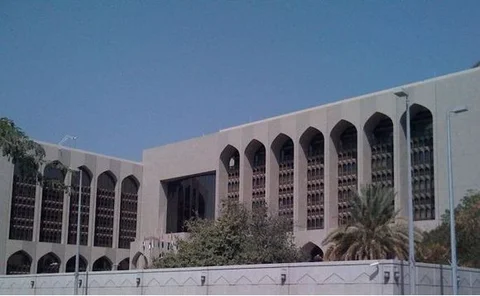
UAE gives go-ahead for Basel II
Central Bank of the United Arab Emirates says it will begin implementing capital adequacy standards
India to get new deputy governor
Subir Gokarn to replace Rakesh Mohan as Reserve Bank of India deputy governor
Sri Lanka cuts rates
Central Bank of Sri Lanka cuts benchmark borrowing cost to 7.5%, narrows rate corridor

IIF’s Abed: financial stability a central bank task
Institute of International Finance’s George Abed says the crisis casts the role of central banks in a new light

Exit easy for India: Mohanty
Reserve Bank of India’s Deepak Mohanty says the central bank should not be troubled by exit from monetary easing

What living wills should do: Bank’s Bailey
Andrew Bailey, the Bank of England’s head of banking services, explains the form and objectives of recovery and resolution plans

Fed counters criticisms of AIG rescue
Federal Reserve defends itself against charges of mishandling American International Group’s bailout after damning report from Tarp overseer

SARB’s mandate up for review
Pretoria to mull Reserve Bank’s inflation-targeting framework; central bank holds rates

Brazil rate-setter quits over controversy
Brazilian central bank’s monetary policy director resigns days after revealing rate-setters’ frustration at Lula

Mauritius buys IMF gold
International Monetary Fund sells two tonnes of gold to Bank of Mauritius

Fed’s Kohn rejects bubble claims
Fed deputy acknowledges carry trade but dismisses fears low rates are stoking asset-price bubbles

Oman signs up to new FX, payments system
Central Bank of Oman’s move represents part of a broader trend by emerging-market central banks to refine operational systems

Bank of Spain – Financial Stability Report (November)
Spanish banks are dealing with the bust in different ways, says central bank’s report
A model to analyse stability
Reserve Bank of New Zealand paper details the development of a cobweb model that will be used in its Financial Stability Report

Buba’s Weber: Germany finance held its own
Bundesbank’s Axel Weber says Germany’s financial sector coped well with the crisis overall
Solomon Islands needs new sources of growth: Rarawa
Central Bank of the Solomon Islands’ Denton Rarawa says the country is too dependent on the logging industry