
Payments

Tokenisation: making space for financial inclusion and consumer protection
Manoj Singh says potential benefits of tokenisation are being overlooked

Asean’s expanding and evolving swap lines
The Asian trade bloc – with and without China, Japan and South Korea – wants to strengthen emergency liquidity support

EUR vs USD stablecoins is the wrong debate
Market structure and regulatory cohesion is at the centre of the stablecoin liquidity evolution, says Flow Traders’ digital assets head

Elizabeth McCaul on the need for resilience in cyber security
Former ECB official explains why response preparedness is more important than predicting attacks
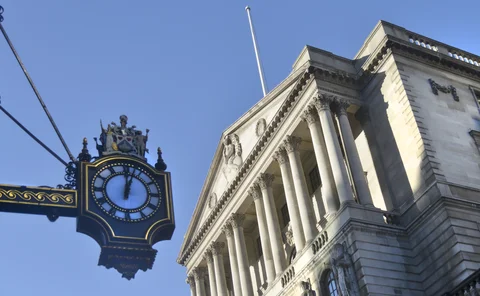
BoE publishes approach to joint stablecoin regulation with FCA
Framework sets out path for stablecoin issuers facing oversight from two regulators
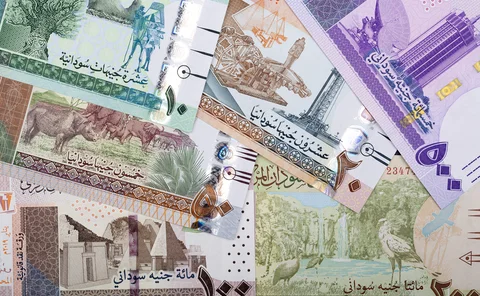
Monetary split deepens in Sudan as new banknotes circulate
Expert says rebel forces may be printing their own version of national currency

Mervyn King on his career and big ‘mistakes’
The former BoE governor speaks with Christopher Jeffery about the value of transparency, lessons from the GFC, the need to track broad money and tie short-term funding to haircut collateral, and danger presented by non-banks

PBoC designates RMB clearing banks for Indonesia and Africa
Bank of China (Hong Kong), ICBC and Standard Bank to operate services for Chinese currency

SBP finds digital payments make up 92% of retail volumes
Mobile banking and e-money wallets dominate Pakistan’s digital payments landscape

RBI and Myanmar central bank discuss swap line
Indian ambassador meets with Burmese governor to discuss payments co-operation

Payments Benchmarks 2026 – model banks analysis
Additional data breakdowns reveal different approaches to payments across cohorts

Iceland joins Eurosystem’s Tips
Króna to become fifth currency compatible with instant payments settlement system in 2028

Digital euro passes European Parliament’s first hurdle
Economic and monetary committee’s rapporteur says CBDC will ‘never replace’ cash

Tokenisation should be built into the two-tier system – BIS
Stablecoins not necessary for fast payments and programmability, institution says

Payments Benchmarks 2026 – executive summary
Benchmarks show continued efforts to upgrade systems in search of better cross-border payments

US and China advance rival digital asset policies
US bans retail CBDCs until 2030, while PBoC official calls for co-ordinated stablecoin regs

Nigeria should allow stablecoin innovation but manage risk – IMF
Institution sets out four steps to manage surging adoption of assets

Barry Eichengreen on the evolution of the global monetary order
The US monetary expert speaks to Thomas Chow about similarities between the dollar and 18th century Dutch money and why Washington has bet on the ‘wrong horse’ with private stablecoins

Payments Benchmarks 2026 report – upgrades and alignment
Many payments upgrades are in the pipeline as central banks look for efficiency and interoperability
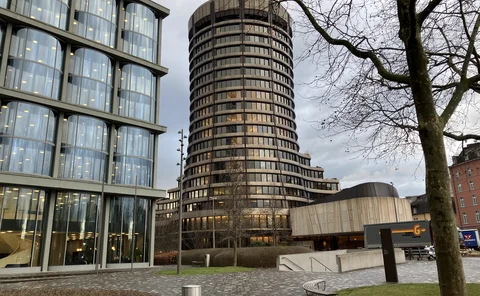
More than $1.4tn of daily FX trades face Herstatt risk – BIS study
Only around a third of transactions fully eliminate settlement risk by using PvP
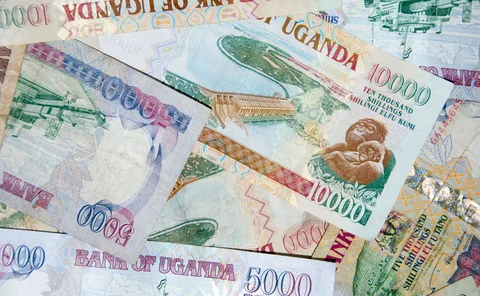
Uganda announces next step towards ‘cashless’ society
Central bank says limits on withdrawals are part of strategy to fully ‘digitise’ payments system

Central banks face hydra-headed cyber threats – panel
Geopolitics and concentration risk mean attacks could threaten financial stability as well as operations

Zoltán Kurali on Hungary’s reserves strategy and euro adoption
Deputy governor speaks about portfolio positioning amidst geopolitical volatility, AI, CBDC and the future of the forint

Tokenisation poses monetary operations challenges – panel
Officials tell Central Banking London Meetings that 24/7 markets can bring new dilemmas