
GDP

Eurozone may be close to potential growth – ECB paper
But all estimates of potential GDP should be treated with caution, researchers argue

Barbados has done ‘reasonably well’ meeting IMF targets, says governor Haynes
Central bank records reserves uptick in latest quarterly review, as government commits to IMF financing targets

US growth remains solid in Q3 – Atlanta Fed
Real-time GDP estimation signals 4.4% growth in current quarter

Sarb’s Mminele says IT investment could help African cities grow
South African deputy governor encourages investment in both human and physical capital

Financial crisis lowered US output – San Fran Fed research
US output has been persistently lowered by 7 percentage points, researchers say

Brian Wynter on Jamaica’s inflation-targeting transition
Jamaican governor says the end of fiscal dominance plus the creation of a two-way forex market and an effective interest rate policy mechanism essential for “full-fledged” inflation target
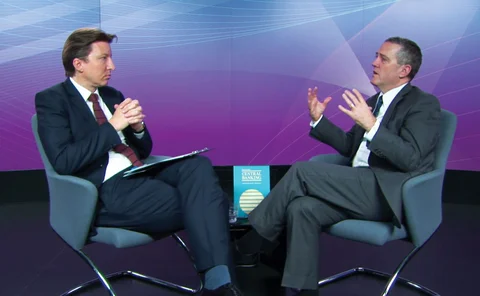
James Bullard on 2% rates, tariffs and Fed leadership
The president of the Federal Reserve Bank of St Louis speaks about the impact of US trade policies, the disruption to the banking industry from Silicon Valley, shrinking the Fed balance sheet and the potential for agent-based modelling

Barbados hands GDP baton to statistical agency
Central bank will abide by international best practice and use statistical service estimates

Irish central bank warns economy may be overheating
CBI develops new indicator for domestic economic activity

Mexico needs labour market reform - IADB vice-president
Growth rates have been among slowest in Latin America despite reform efforts, Levy says

Book notes: China’s Great Wall of Debt, by Dinny McMahon
McMahon is too pessimistic about the chances of China managing to get its great wall of debt under control, writes Michael Taylor, but he is undoubtedly right about the scale of the challenge

Bank of Jamaica’s Wynter on the path to inflation targeting
Bank of Jamaica’s governor talks about revamping accountability, communications and operations as the central bank embraces inflation targeting

Bank Indonesia surprises markets with aggressive rate hike
Markets had expected the central bank to opt for a smaller move in the policy rate

Bundesbank forecasts German growth will continue
Fiscal expansion will support aggregate demand in coming year, says Bundesbank

IMF report says Mauritius central bank needs clearer resolution powers
Current framework restricts regulator from acting in a timely manner – IMF staff

Book notes: Edge of chaos, by Dambisa Moyo
John Chown applauds Moyo’s analysis of how the current democratic framework is failing

Have central banks created a ‘debt trap’? No, but ...
Tougher regulation has helped ensure extraordinary monetary policy has not caused a dangerous rise in private debt

Slowdown of US growth is temporary, Dallas Fed says
Despite weaker growth in Q1, the labour market keeps tightening and demand is solid

The IFF China Report 2018: The Bay Area Development
The Guangdong–Hong Kong–Macao Great Bay Area represents an effort to co-ordinate development to create globally competitive city clusters at the start of the Maritime Silk Road in southern China. These efforts are focussed in particular on innovation,…

BoJ drops timeframe for achieving inflation target
Bank has postponed target for achieving 2% inflation six times since 2013

The IFF China Report 2018: Chinese financial system reform
China is focusing greater effort in tackling the build-up of risks in its banking and financial system, while also seeking to ensure credit is more effectively distributed in the real economy. At the same time it is has embraced fintech but policymakers…

China’s macroeconomy in the ‘new era’ of politics and power
Lou Jiwei, president of the National Council for Social Security Fund and former minister of finance of China, explores the three key aspects of China’s macroeconomic situation in the ‘new era’ of Chinese politics and power
The IFF China Report 2018
Insight and opinion from China’s top leaders, policymakers and financiers

Higher expenditure in services limits trade growth – Fed paper
Growth of trade in 1990s and 2000s may be anomalous, researchers say