
ERM

Time saved by AI does not increase output – BoK study
Paper says technology has reached efficiency stage but not productivity stage

BI offers more support for rupiah with off-cycle rate hike
Bank plans measures to attract foreign investors to its debt as currency performs worse than expected
RBA flags risks posed by ‘acute’ geopolitical shocks
Australian central bank outlines short-term threats such as conflicts, sanctions and blockades

Iran war poses ‘material but manageable risk’ to stability – BSP
Regulators say Philippines’ banks resilient to systemic financial stress while highlighting cyber threats

Iceland could join euro even during a crisis – ECB’s Vujčić
BoE’s Mann also highlights pros and cons of country’s accession at currency conference

Indonesia amends law to expand BI’s growth focus
Rupiah hits new low as lawmakers are given greater oversight over central bank

Euro ‘more appealing’ for both invoicing and reserves, ECB finds
Bank’s annual report on currency’s use draws on findings from Central Banking’s benchmarking

Opinions split on BoJ bond tapering, minutes show
Experts say adjustments to JGB purchases more likely, given divergence of views

US tech equities, euro, sterling and yen add to Norges Bank losses
Reserves portfolio sees gains on US Treasuries and Chinese government bonds amid modest drop

China and Serbia triple size of swap line
Serbian governor says swap line represents ‘iron friendship’ with China

Eurosystem to move T2 to round-the-clock operating hours
Payment systems to be available at all times as instant payments gain popularity
Behind the scenes of the Bundesbank’s capacity-building programme
A multi-year effort has helped shore up expertise at West Balkan central banks. Will African and former-CIS institutions be equally responsive to Eurosystem technical assistance?

ECB board members begin priming markets for rate hike
Schnabel “does not expect” TPI to be needed as bond selloff was driven by “inflation compensation”

Sri Lanka surprises with 100bp policy hike
Central bank says tightening needed to combat inflation and rupee’s slide amid Iran war
Philippines governor says off-cycle rate hike possible
Remolona says BSP may have fallen behind the curve on inflation

Euroclear rejects $254bn payment order in Bank of Russia case
Moscow court’s ruling in favour of central bank ‘completely without merit’, says Belgian firm
RBA felt May hike gave it room to assess impact of Iran war
Board members believed tightening would make conditions slightly restrictive, minutes show

Former RBA officials say budget offers no inflation relief
Economists say Australian spending plans will create modest fiscal expansion with some upside risk
PBoC expected to remain on hold following healthy PPI rise
China’s producer price inflation climbed out of long decline to 45-month high in April

European central banks opt to hold
Albania, Czech Republic, Poland, Serbia and Sweden keep rates constant
ECB holds and faces dilemma of whether to hike in June
Lagarde says direction is ‘clear’ as Iran conflict worsens outlook for inflation and growth
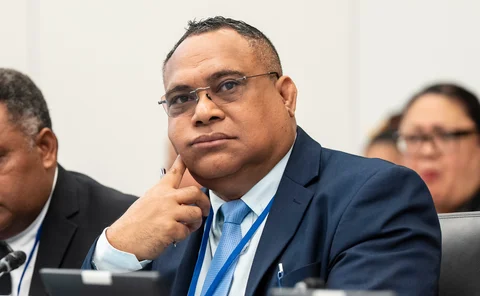
Solomon Islands governor calls for reduced reliance on mining
Luke Forau urges greater focus on boosting agriculture and tourism sectors
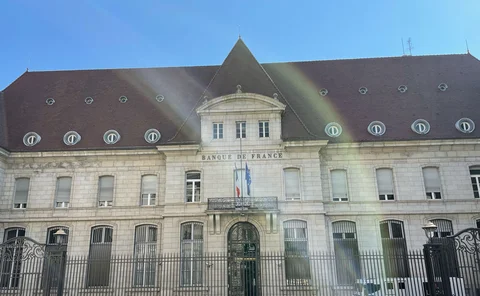
NBFI oversight ‘no longer adequate’, say BdF economists
Researchers call for stronger supervision of non-bank sector ‘before risks actually materialise’
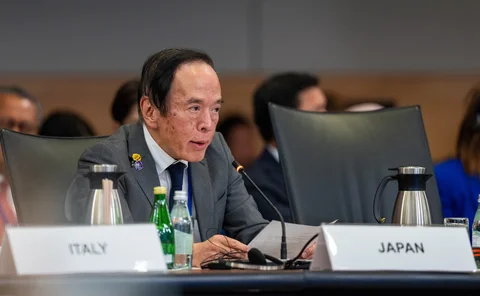
BoJ holds rates and halves growth forecast
Three dissenting votes mark largest split under Ueda, who points to ‘significantly’ higher inflation