
ERM

PBoC appoints Deutsche Bank as a renminbi clearing bank for Europe
China’s central bank reiterates pledge to internationalise RMB as part of its five-year plan

Destry Damayanti tapped to serve as Bank Indonesia governor
Expert says nominee, who has served as BI deputy governor since 2019, will be viewed as a safe pick by markets

Thai economy needs monetary, fiscal, financial policy mix – BoT
‘Single policy tool insufficient to mitigate more frequent shocks,’ central bank says

South Korea to resume gold buying and may vault domestically
BoK’s reserves head cites geopolitical risks as motivator for institutional gold purchasing

Joint US-Japan FX intervention could advance BoJ tightening
Experts say tighter policy needed to lock in yen gains over the long term

Bullock questions whether RBA has tightened enough
Governor says Australia’s economy is cooling, but more hikes will come if they are deemed necessary

MAS tightens ‘very slightly’, saying it will cap inflation
Unexpected move marks central bank’s second consecutive tightening decision
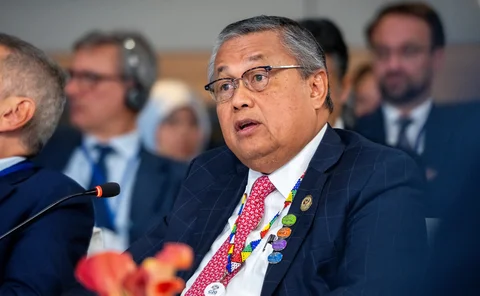
Bank Indonesia governor resigns unexpectedly
Central bank cites personal reasons for Perry Warjiyo’s departure as independence concerns mount

‘Tips clone’ developed by Bank of Italy goes live in Balkans
Bosnia and Herzegovina and Montenegro become first jurisdictions connected by payments system
China leaves LPRs on hold for 14th consecutive month
Decision in keeping with ‘moderately loose’ policy stance repeatedly outlined by PBoC officials

More repatriated income does not always stabilise FX – BoK study
Paper recommends improved monitoring of foreign currency supply and demand

Overnight reverse repos are for managing liquidity, says PBoC
Deputy governor reiterates that seven-day facility still provides benchmark lending rate

RBNZ says New Zealand faces greater risk of persistent inflation
Central bank’s chief economist believes monetary policy may need to respond ‘more firmly’

China allows its investors greater access to offshore bonds
PBoC ups quota as HKMA expands yuan funding and city begins trial run for gold clearing

Vanuatu holds rates and forecasts continued economic recovery
Pacific island nation’s central bank says reconstruction efforts, tourism, to drive economy

Lagarde ‘regrets’ forward guidance and Warsh plans ‘family fight’
Fed, ECB, BoC and BoE heads discuss inflation, uncertainty, AI, stagflation and independence in Sintra

RBA outlines monetary tools for stimulus when rates are low
Central bank says additions to policy toolkit make it better prepared for shocks

Governors move markets as much as ECB board members – paper
Presidents' speeches have greatest influence, followed by those given by heads of national central banks
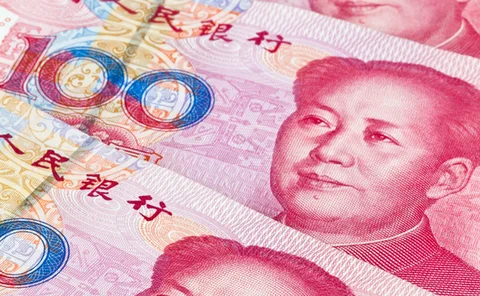
China holds LPRs for 13th consecutive month
Decision comes after governor says ‘slower, more efficient credit growth’ may be new normal

Philippines and Indonesia tighten by 25bp
BSP says inflation ‘strong’ as BI’s focus remains on rupiah
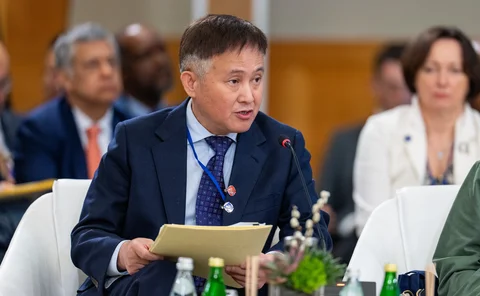
Foreign central banks can soon repo Chinese bonds, PBoC says
Experts say move is likely to increase monetary authorities’ demand for Chinese debt

BoJ tightens to 1% and plans end to JGB purchase reductions
Governor absent as bank sets policy at 31-year high amid inflation risks driven by Iran war

Zoltán Kurali on Hungary’s reserves strategy and euro adoption
Deputy governor speaks about portfolio positioning amidst geopolitical volatility, AI, CBDC and the future of the forint

Singapore to introduce gold storage for central banks
MAS plans OTC clearing in local time, gold financial products and other bullion-related initiatives