
Federal Reserve System
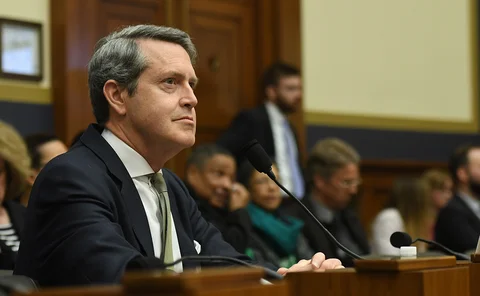
Fed could change capital rules for bigger banks – vice-chair Quarles
Deregulatory act had already softened regulations for banks with below $100 billion, up from $50 billion

Researchers explore impact of bank stress on the real economy
Large banks should be subject to more stringent requirements, authors say
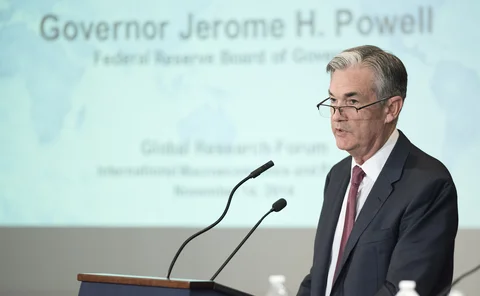
Powell downgrades Phillips curve importance
Unemployment forecasts are not too good to be true, Fed chairman argues

Fed raises interest rates
Inflation is running above target and the economy set for a strong third quarter
People: NY Fed names new chief information officer
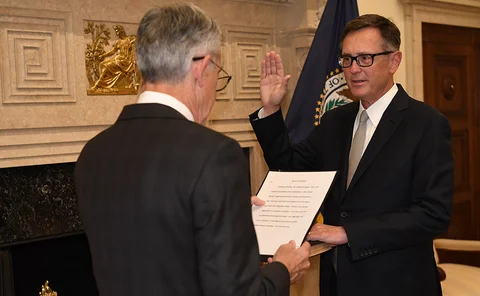
Pamela Chase Dyson to lead tech group; Richard Clarida sworn in; EBA appoints board member

Trump nominates former Fed economist for board role
Nellie Liang’s nomination may help the Fed guard against potential future downturns

Boston Fed economists call for monetary policy evaluations
Effective lower bound and reduced ability to stabilise the economy warrant a rethink of the monetary policy framework, economists say
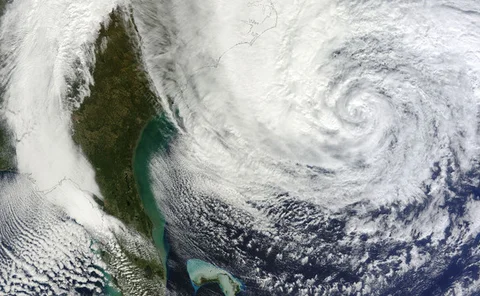
US regulators offer supervisory relief in wake of hurricane Florence
Fed and state regulatory agencies will relax supervision so the banks can meet community needs
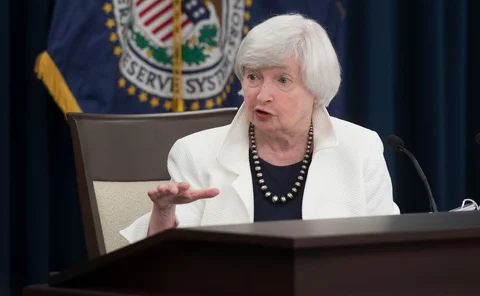
Yellen says Fed should begin forward guidance now
Action now could have equivalent impact to negative rates, says former Fed chair

A decade on: Lehman Brothers at the brink
On September 14, 2008, there remained hope that Lehman could be saved and a crisis averted. Events moved rapidly thereafter

Fed adviser sets out new equilibrium rate model
Long-term interest rates are more important for spending decisions, author claims
Atlanta Fed tackling commercial banking compliance
Article sheds light on Fed’s approach to supervising smaller institutions

Book notes: The other half of macroeconomics, by Richard Koo
Richard Koo questions whether central bank policy can work during a balance sheet recession, writes Graham Bannock
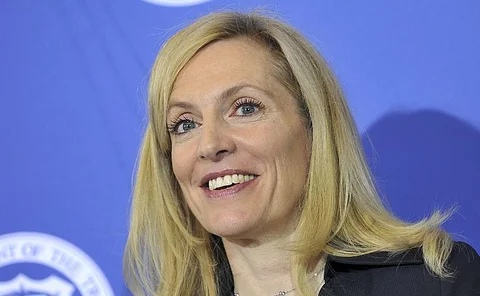
Brainard sees room for continued tightening over next two years
But some economists expect growth to slow over the coming year

Bernanke: household borrowing not the main factor in 2008 crash
Panic in financial markets and not household borrowing created deep crisis, former Fed chair says; economists should emphasise credit when modelling
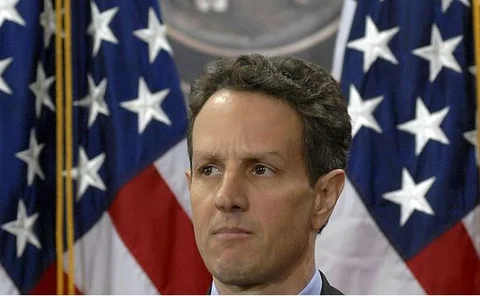
Lender of last resort is not enough, says Geithner
There is a lot of “magical thinking” about what central banks can do, says former US Treasury secretary
Odds increasing for rate hike at September FOMC meeting
US economy is strong enough to merit a further rate increase, Richmond Fed president says
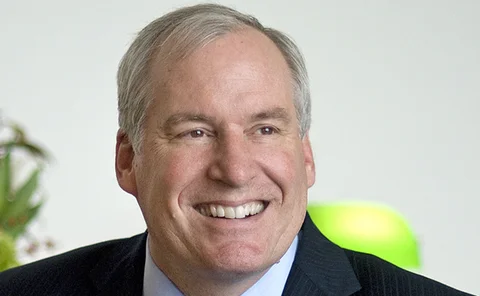
Fed’s Rosengren sees less room to tackle next recession
Fiscal, monetary and regulatory buffers are not as high as they should be, says Boston Fed president
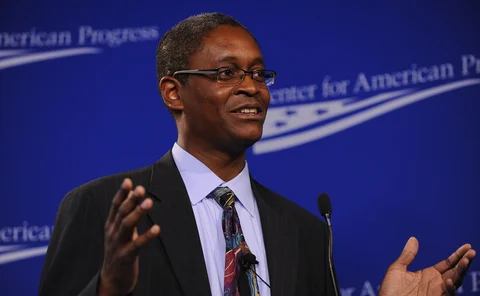
US may be over natural unemployment rate – Atlanta Fed president
Raphael Bostic estimates natural employment “is in the 4.2–4.3% range right now”

St Louis Fed’s Bullard thinks Fed should hold
Flatter yield curve and moderate inflation in US suggest monetary policy shouldn’t be tighter, president says
Fed paper presents method to better estimate systemic risk
Authors find their approach outperforms several commonly used systemic risk indicators
Inattention helps explain flat Phillips curve – Fed paper
Inflation may be less sensitive to shocks because people are not paying attention, authors say
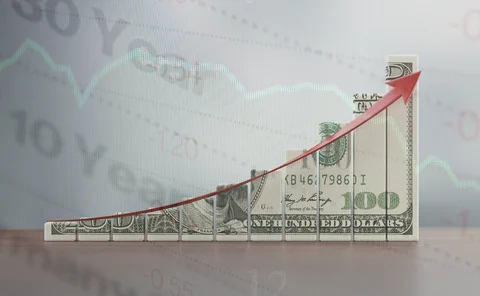
Flatter US yield curve may not herald a new crisis – San Francisco Fed
The curve inversion has not materialised, while low long-term yields may be related to quantitative easing

Policymakers should focus on slack even amid uncertainty – Fed paper
“Standard advice” from the literature may be flawed under current conditions, authors warn