
Banks
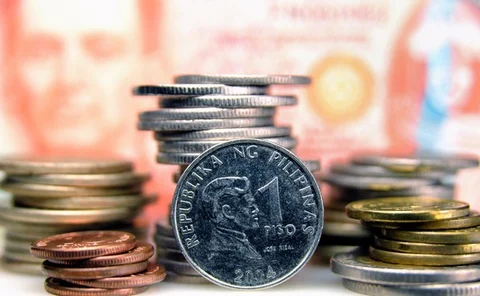
Central Bank of the Philippines gets mandate to regulate payment systems
Payment systems could be placed on blacklist if they pose a risk to the financial system

Clarida confirmed as Fed vice-chair
US Senate approves appointment with 69 votes in favour, 26 against and four abstentions

Number of bank accounts in Malawi up 64 % in six months – governor Kabambe
Digital financial services reducing the number of people unbanked in Malawi, says governor

BoJ sets out goals for interest rate benchmark reform
Working committee aims to publish deliberations in March 2019
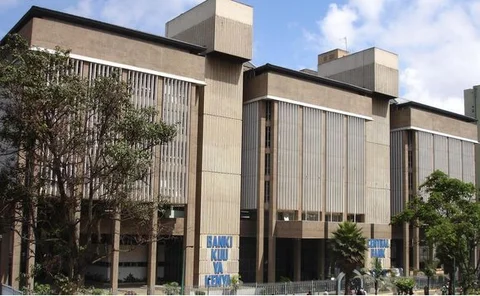
Kenyan central bank reports big increase in banks breaching regulations
Governor calls for banks to consider their “long-term impact on society”

Kenyan central bank toughens cyber security standards
Regulator issues minimum standards for cyber security for payment system providers

Vietnamese government orders tougher capital ratios for banks
Banking modernisation plan pledges increased central bank independence but is short on details

The battle for cyber resilience
The cyber attack on Bangladesh Bank prompted central banks around the world to change their approach and refocus on contingency planning, but are they ready now?

Brian Wynter on Jamaica’s inflation-targeting transition
Jamaican governor says the end of fiscal dominance plus the creation of a two-way forex market and an effective interest rate policy mechanism essential for “full-fledged” inflation target

Next financial crisis “will be brewing” in shadow banking – Bullard
Silicon Valley disruption represents threat to financial stability; Fed has limited powers to counter it despite FSOC and tough new bank rules, says Eighth District president

Capital markets union a la Willie Sutton
When Sutton was asked why he robbed banks, he said: “That’s where the money is.” Europe has yet to address where the capital markets union funding should come from, but there is a solution

Cameroon faces risks from microfinance links to banks – IMF staff
Rise of mobile banking is making microfinance sector more vulnerable, report says
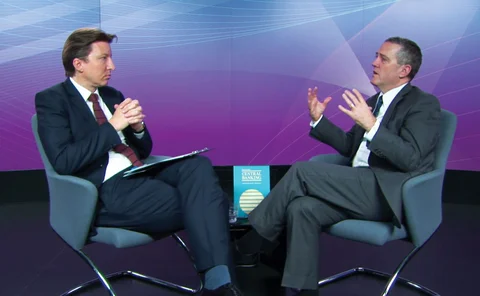
James Bullard on 2% rates, tariffs and Fed leadership
The president of the Federal Reserve Bank of St Louis speaks about the impact of US trade policies, the disruption to the banking industry from Silicon Valley, shrinking the Fed balance sheet and the potential for agent-based modelling

Older population increases financial fraud risks – Atlanta Fed
Most financial exploitation of elderly goes unreported, researcher says

Goldman, Morgan Stanley push for stress test changes
Balance sheets will shrink in a crisis, not grow, trading houses argue

Turkish lira reaches fresh low as crisis impacts emerging markets
Central bank announces lower reserve requirements in bid to increase liquidity

IMF backs RBI’s Patel in call for full oversight powers
Fund urges Indian authorities to grant the central bank full powers over public sector banks

Central Bank of Myanmar governor reappointed
The 79-year-old junta-era official will lead the central bank until 2023, but some observers see him as an obstacle to change
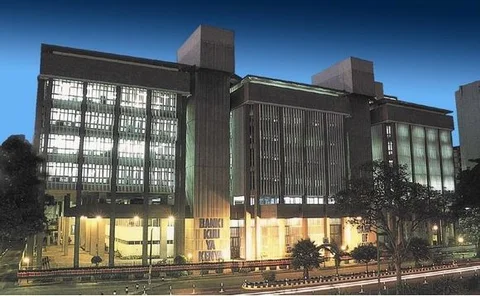
Kenyan banks forced to reveal hidden loan fees
Kenya’s central bank begins effort to repeal interest rate cap

Competition strengthens banks close to insolvency – BoE paper
Competition policy’s impact on banks varies depending on the underlying health of the individual firms, BoE paper says

Putting big data into action
Big data is changing the way central banks think about the economy and oversee the financial system. In a forum sponsored by BearingPoint, Central Banking convened a panel of experts to discuss the innovative ways central banks are making use of big data.

Bank of Israel begins push for open banking
Regulation of APIs designed as part of several measures to promote banking sector competition

Big data in central banks: 2018 survey results
As work in big data enters the mainstream for central banks, its policymaking and supervisory influence is expanding, prompting significant investment in new technologies.

Ghanaian governor accuses failed banks of malpractice
Ernest Addison says some banks used “pretence” and shareholders took large sums