
Central Banking Journal

Lifetime achievement award: Otmar Issing
The architect of the euro’s monetary operating framework is still playing an important role in shaping the debate on monetary policy

Specialised lending initiative: BNP Paribas
A new ‘global’ setup helped secure US dollar-denominated assets from a Eurosystem central bank

Transparency: Reserve Bank of New Zealand
Publication of new MPC handbook and minutes increases RBNZ’s openness

Communications initiative: Bank of Jamaica
The Bank of Jamaica broke the mould with its reggae-inspired communications strategy, but observers suggest it has done more than just lift the economic literacy of its society

Collateral management services: National Bank of Georgia/Montran
The duo developed Georgia’s fully automated new collateral framework

Global markets award: HSBC
The UK-headquartered bank is a leader in green finance and helped its clients navigate the low-rate environment over the past year

Website of the year: Central Bank of Brazil
The new bilingual site offers enhanced communications to the full range of stakeholders

Initiative of the year: Bank of Thailand
The Thai central bank has used two-way communications to support the delivery of major initiatives, including an instant payment system

Currency manager: Bank of Mexico
Central bank invested in new printing plant to address capacity and concentration risks

Data services: Swift
Better data is making global payment chains safer and more efficient

Economics in central banking: Matteo Maggiori, Brent Neiman and Jesse Schreger
The Global Capital Allocation Project has helped pick apart the tangled network of cross-border capital flows. The work may prove essential to those looking to shore up the international monetary system

Advisory services: Deloitte
The consultancy has shown its strength in a wide range of technological and governance advisory roles in the past year

Currency services: Note Printing Australia
Improved IT and data provision helped the Reserve Bank of Australia

Custody initiative: Euroclear
The securities depository has debuted instant dollar settlement in central bank money outside the US – a service that has virtually eliminated settlement risk
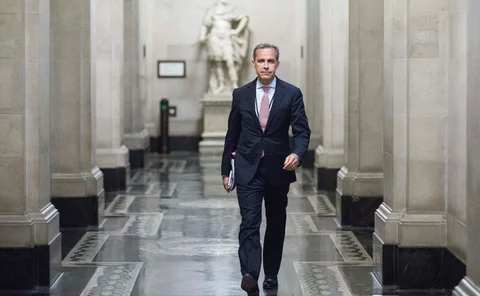
Governor of the year: Mark Carney
Carney has played a vital role in managing Brexit risks while driving efforts towards climate, payments and dollar funding reform

Reserve manager of the year: Swiss National Bank
New trading capabilities have helped the pioneer of reserves diversification and risk management to better manage liquidity as its portfolio has risen to $825 billion

Innovation in reserve management: BlackRock
The US asset manager has made great strides in its technology, research and advisory capabilities, allowing clients to implement ESG while preserving financial returns

Green initiative: Network for Greening the Financial System
The voluntary body is driving efforts to tackle climate-related risks

Asset manager of the year: Amundi Asset Management
The French asset manager helped reserve managers meet ESG criteria while also boosting central bank assets under management

Central bank of the year: Bank of Ghana
The African central bank has carried out extensive reform of Ghana’s banking sector

Risk manager: Central Bank of Brazil
The G20 central bank has made important breakthroughs in applying ERM

Treasury systems initiative: Calypso Technology
The tech company secured important breakthroughs including with its Maps treasury operations system

Payments and market infrastructure development: European Central Bank
The ECB has created a framework to help payments and market infrastructure firms bolster cyber defence that is being disseminated on a global scale

Financial market infrastructure services: Bloomberg
The US company has helped central banks improve monetary operations and deepen forex markets by scaling up technical infrastructure and database monitoring capabilities