
Feature
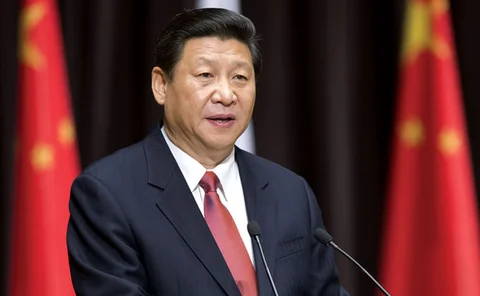
Innovation gauntlet laid down to facilitate economic transformation
The continuity of China's ‘trial-and-error' social-reform philosophy is key to enabling innovative growth as the country reforms its capital market and develops sound bankruptcy procedures

Maintaining China's growth in an environmentally friendly manner
Facing severe air, water and heavy metal pollution as well as acute water shortages, China needs to change its earlier mindset of ‘grow first and clean up later'

'Learning by doing' has transformed Chinese growth
Learning through an experimental approach played an important role in the rapid productivity growth of China. But the country now faces rising income inequality

China's dual-economy poses major challenge for future development
China's unique central-local governance system facilitated growth through a ‘trial-and-error' strategy. But 35 years of high growth have created a dual economy, with both successful and failing parts

The transformation of China towards a modern economy
China has embarked on an unprecedented effort to stabilise growth while accelerating structural reforms towards an inclusive, sustainable, innovative and more open economy

Andrew Sheng: The new politics of central banking
Extraordinary policy actions by the world’s leading central banks have left them politicised and entangled in an increasingly awkward operating environment

Former IMF chief weighs up benefits and costs of QE
Quantitative easing is having a profound effect on markets and banking. Jacques de Larosière weighs up some of the benefits and costs of QE

Devising effective data strategies to help inform policy decisions
The publication of the Irving Fisher Committee’s report on good data practices offers the potential for powerful data sharing, but more work needs to be done at the tactical and practical levels

Central banks face weight of expectations in sub-Saharan Africa
The art of central banking has changed dramatically in frontier markets. Monetary policy, financial regulation, capital flows and exchange rate are now centre stage, writes Louis Kasekende

Central bank liquidity surge is not without historical precedent
Major central banks have injected $14 trillion of liquidity into the global economic system, but such surges are not without historical precedent

Assessing the value of financial stability reports
More than 90 central banks now produce financial stability reports. Emrah Uslu and Eyup Kahveci look at the various approaches they take as well as appraising their usefulness.
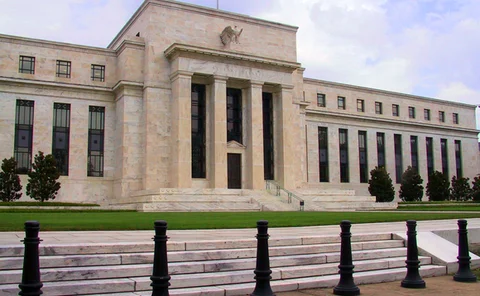
A more effective strategy for the Fed
The Fed should adopt a Taylor-rule approach to ensure policy adjustments are only made due to changing macroeconomic fundamentals. This would mean it should raise rates and alter its communications

The RMB and the SDR review 2015
Yide Qiao and Jiafei Ge present a case for the renminbi joining the ranks of the US dollar, euro, sterling and yen in the IMF’s SDR basket, when the constituents are reviewed later this year

Reviving the faltering euro economy
There are three options to address Europe’s core problem: real differences in production costs. None of them involve asset purchases by the European Central Bank, writes Allan Meltzer

Will new reforms lift the veil of secrecy at the Bank of England?
The Bank of England has unveiled a broad package of reforms to its transparency. Daniel Hinge speaks with transparency experts to assess the changes
Are central banks the ‘Figaro’ of the financial markets?
Central banks continue to play a vital position in the functioning of markets. While this raises significant concerns about moral hazard it is not an unfamiliar role from an historical perspective

Governor of the year: Raghuram Rajan
Sharp analytical skills, decisive policy action, powerful communication and impressive leadership skills have enabled RBI governor Raghuram Rajan to lead the Indian economy onto firmer ground

Central bank of the year: Reserve Bank of New Zealand
A joined-up approach to monetary and macro-prudential policy, excellence in communication and governance, updated risk management, improved supervision and security made the RBNZ the standout central bank

Lifetime achievement award: Jacques de Larosière
Jacques de Larosière has earned a reputation as the great French international public servant, central banker and scholar of his generation

Economics in Central Banking: Claudio Borio
The Bank for International Settlements’ economics head secures win for his work applying the concept of ‘excess financial elasticity’ to the international monetary and financial system
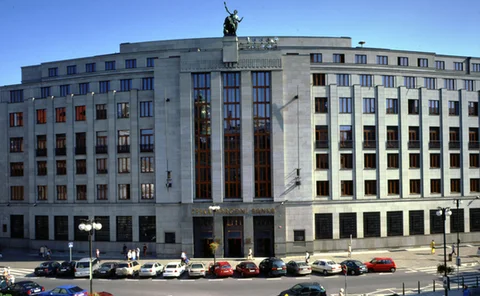
Transparency award: Czech National Bank
After speeding up its communications procedures, expanding into social media and creating an online blog for senior policy-makers, the Czech National Bank has taken transparency to a new level

Reserve manager of the year: South African Reserve Bank
Adapting its management of growing reserves using innovative approaches that do not compromise on long-standing values has enabled sub-Saharan Africa’s biggest reserve manager to enter the top ranks

Website of the year: Bank of Canada
The central bank has not only successfully increased its online presence in 2014, but it has also actively passed on its expertise to the central banking community

Sovereign investor of the year: Norges Bank Investment Management
The manager of the world’s largest sovereign wealth fund offers ever greater levels of transparency coupled with enviable returns with its strategy to diversify into real estate is paying dividends