
Sovereign debt

Lack of monetary autonomy ‘central’ to eurozone debt crisis – researchers say
Spain would have been ‘immune’ to rollover debt crisis outside eurozone – Minneapolis Fed paper

Podcast: Preventative measures
Many central banks currently lack a key power that could help them deal with crises, argues Yale University’s Andrew Metrick

The euro: a troubled third decade?
Italy’s pact-busting budget highlights ongoing eurozone frailties

Flug defends Bank of Israel’s role as government economic adviser
Departing governor clashed with executive over public spending priorities

IMF boosts support for Argentina to $56.3bn
Programme aims for ambitious fiscal goals in an electoral year

ECB’s normalisation could spell trouble for Italy’s bond market
Rome’s budget row with Brussels escalates just as QE is about to halt

ECB paper presents new sovereign stress model
New method builds on earlier CISS model to measure systemic stress in eurozone

Debt poses a threat to African monetary policy – BIS paper
Central bankers could use their influence to encourage government prudence, authors say

Reserves preservation key in Tunisia amid growing challenges – El Abassi
Governor of Central Bank of Tunisia stresses the importance of sound policies as the currency weakens and twin deficits grow
IMF calls for fiscal consolidation in anticipation of next crisis
As global financial conditions tighten, emerging economies record higher corporate and sovereign debt

Draghi’s ‘whatever it takes’ cut bank risk-taking – BIS paper
Study examines Mexican markets to pick out effects of the ECB president’s intervention

Gita Gopinath named IMF chief economist
The Harvard academic is a specialist in international finance and an adviser to central banks
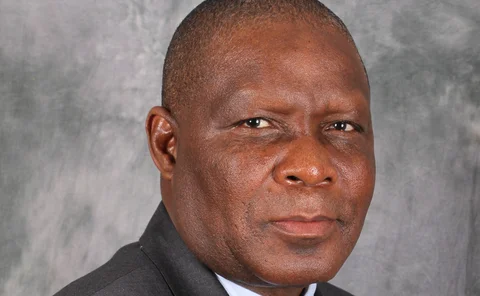
Andrew Motshidisi on Africa’s debt and what it means for reserve managers
The former deputy governor of Bank of Botswana and Nalm Africa chairman talks about international capital flows, and the need for countercyclical policies and robust legal frameworks to secure long-term stability

Supervisory lessons: fault lines in prudential regulation
Former Bank of Spain head of supervision Aristóbulo de Juan highlights the lessons he has learnt about weaknesses in prudential regulation, in the second of a four-part series on supervision

Italy’s expansionary budget increases pressure on debt
Draghi warns government plans have tightened financial conditions for households and businesses

Costa Rica government resorts to central bank financing
Government to use Treasury bills to finance growing deficit as public sector workers go on strike

Argentina adopts floating exchange rate regime to tackle peso crisis
IMF extends running standby arrangement to $57.1 billion

Sub-Saharan Africa increasingly exposed to debt risks
Public sector borrowing and tighter financial conditions a challenge for regional reserve managers

Argentina to continue reducing stock of short-term debt
Lebac’s expansion thought to contribute to inflation
IMF warns low-income countries about higher debt risks
Increased exposure to non-traditional lenders could increase rates and shorten maturities
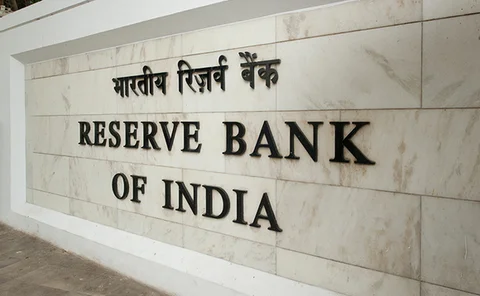
RBI’s Kanungo warns on fiscal imbalances
State governments have borrowed heavily, making the RBI’s job harder, the deputy says

Argentina’s exposure to capital flows limits central bank actions
Peso seen as likely to remain under pressure despite forex interventions and sharp tightening

Argentina hikes to 60% as peso drops further
Monetary policy committee holds emergency meeting amid fresh trouble for the currency
Bank of Israel criticises government’s defence spending plans
Outgoing governor Flug also disagrees with finance ministry’s low-tax policies