
Quantitative easing

Full ‘postmortem’ on QE yet to be written – Klaas Knot
Former DNB governor expects Fed to continue international monetary diplomacy under Warsh

Eurozone bank uncompetitiveness a ‘myth’ – Schnabel
Regulations have made lenders better, says ECB board member

BoT seeks more oversight of gold trade to prevent baht volatility
Vitai says bank is working to boost supervision of institutions and dealers involved in precious metal

QE will have long-term fiscal benefits, Bailey tells Treasury
BoE analysis addresses criticism that taxpayers paying for unconventional monetary policy

Ex-governor says Fed should use Treasury derivatives in crisis
Doing so could split response from monetary policy and hedge interest rate risks, argues Jeremy Stein

ECB to tilt future QE to shorter-term bonds – Schnabel
Collateralised lending to play key role in Eurosystem asset composition
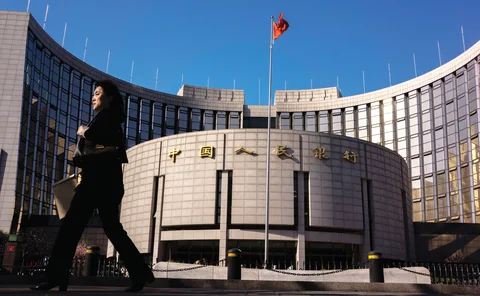
PBoC to resume open market China bond trading
Analysts expect purchases by central bank to support liquidity and government fiscal policy
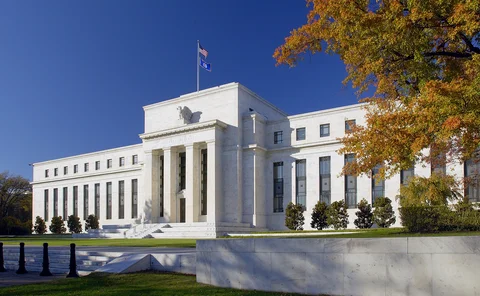
Fed should reorganise and speak to counter Trump – Eichengreen
Professor says five-year lag for publication of forecasts is ‘excessive’ in current context

BoE holds rates and slows QT
Maturity profile shortened as Bailey aims to avoid disrupting gilt markets

More independent central banks take on greater risk – ECB paper
Low rates, tighter fiscal policy and good growth accompanied by higher risk-taking on balance sheets

BIS paper debuts new metric to gauge monetary policy stance
Index captures how size of central bank balance sheet affects borrowing conditions

Negative interest rates are last resort – BdF governor
Villeroy de Galhau outlines “order of operations” for deploying monetary policy tools

ECB unveils latest strategy fit ‘for all circumstances’
Chief economist says unconventional tools are “unconventional for a reason”

Finland’s Välimäki on the ECB’s monetary policy framework review
Bank of Finland board member Tuomas Välimäki discusses the benefits of a ‘hybrid’ balance sheet model to provide dependable structural liquidity without distorting markets

Reflections on the international financial situation
Former IMF head Jacques de Larosière writes that markets are blind to Trump's policy shocks that are fragmenting the monetary ‘system’, causing strain in the eurozone and may result in stagflation

Maurice Obstfeld on the trade war’s damage to the monetary system
The former IMF chief economist speaks about Trump’s chaotic economic policies, the erosion of Fed independence and dollar stability, difficult policy trade-offs for central banks, and the threat to the Bretton Woods institutions

Target inflation traditionally, G30 tells Fed
Working group says its proposed changes to Fed framework might prevent repeat of 2023 banking crisis
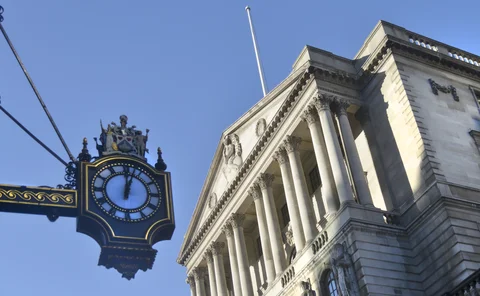
Market turmoil causes BoE to reschedule long-dated bond sale
Change to QT plan comes after tariff uncertainty triggers surge in UK government bond yields

Fed independence is under threat
US central bank faces increasing pressure although monetary policy autonomy looks safe for now

ECB board members express regret over QE stimulus
Cipollone says unwinding balance sheet thwarts rate cuts, while Schnabel wants “less activist” bank

Focus on rates for policy, keep QE for crises – Carstens
BIS general manager says expanding objectives could “undermine credibility and independence”

Book notes: Central bank capitalism: monetary policy in times of crisis, by Joscha Wullweber
This book asks if independent monetary policy is feasible at a time when central banks prop up the poorly regulated shadow banking sector

Banknotes: October to December 2024
A round-up of news and salient issues that have affected central bankers in the past three months

More volatility calls for greater agility – Schnabel
ECB official says new tools, including negative rates, may be needed in more disruptive age