
Monetary policy

Riksbank dissenters raise range of concerns
Three officials objected to the Riksbank’s decision to expand its asset purchases at the meeting on December 20, for a variety of reasons, minutes show

Lacker to retire from Fed after 28 years
Jeffrey Lacker, who has a reputation as a monetary policy hawk, is to step down as Richmond Fed president in October; the search is on to find successor

Dollarisation is making monetary policy ineffective, Cambodian central bank says
Central bank actively promoting the use of riel instead of US dollar; reduced riel transaction costs among measures implemented
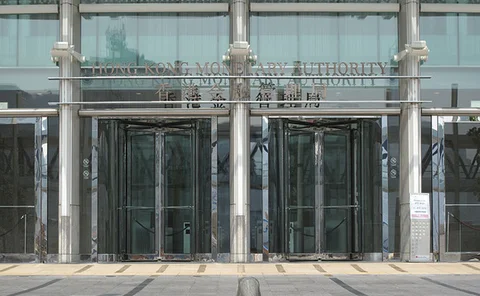
Defence and diversification key to fund success – HKMA deputy
Exchange fund is to continue diversifying into industries that can “counter” inflationary pressures, Yue says, as a challenging investment environment looks set to continue

Turkish central bank acts to support lira as inflation jumps
Central bank launches fresh measures to counter “unhealthy price formations”; inflation surprise in December adds to pressure for monetary policy action

Thai governor calls for rethink of monetary policy frameworks
New structure should systematically acknowledge the negative impact of monetary policy; Santiprabhob recognises macroprudential cannot take all the strain

Global value chains increasingly driving global inflation – BIS paper
Growth of global value chains limits the importance of domestic factors in creating inflation, complicating the jobs of central banks

Central Bank of Philippines to improve surveillance – Tetangco
Philippines has “ample” policy space to respond to risks, governor says, but monetary policy will only be enacted to prevent inflation deviation

Pablo Sánchez appointed to lead Central Bank of Bolivia
Academic to take over from Zabalaga after six years as president; latest IMF consultation highlights the disagreement with Bolivian authorities over independence and monetary policy

New data sheds light on policy spillover channels – BIS paper
Expanded data published by the BIS show how US dollar, euro and yen affect cross-border lending flows

Paper examines “puzzles” in monetary policy transmission
HKIMR paper highlights differences in monetary policy transmission between advanced and emerging markets; “puzzles” are more severe for emerging markets

Riksbank extends QE, despite dissent
Additional Skr30 billion of purchases takes Swedish QE programme to mid-2017; central bank cites continued risks to the outlook, but three members challenge decision

IMF paper shows US monetary conditions impact EM leverage
Impact is more pronounced for firms that are dependent on external financing, authors find; sample shows financial conditions have the ability to influence borrowing constraints

Icelandic paper finds evidence of rising natural rate
Authors attempt the notoriously difficult process of estimating the natural rate, using various models; rate appears to be on the rise

BIS: markets less beholden to central bank action
Political shocks appear to have jolted markets into a more healthy state, but it is not yet clear if this is the start of normalisation or a temporary phase
Riksbank’s Jansson rejects calls to scrap inflation target
Critics likely underestimate the benefits of the current monetary policy framework when calling for it to change, deputy governor says
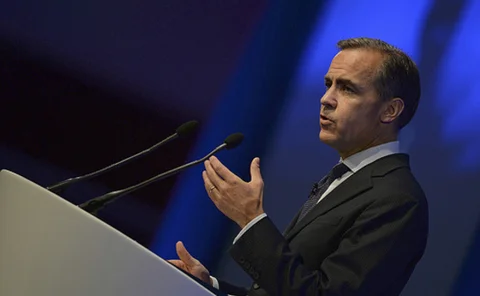
Carney hits back at critics of monetary policy’s distributional impact
Monetary easing has disproportionately benefited the poor, BoE governor says; loss of open markets “would be a tragedy, but is a possibility”
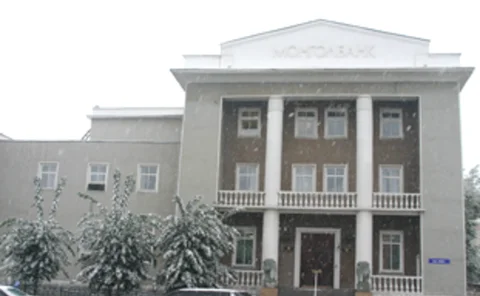
Rate pass-through 'weaker and slower' in Mongolia – paper
Reforms at the Bank of Mongolia have improved the transmission mechanism, authors say, but there is plenty more work to do

BoE’s Vlieghe dismisses neo-Fisherian idea that low rates cause low inflation
MPC member says “small minority” of academics who suggest lower rates may cause low inflation do not present particularly compelling arguments

Central banks may be partly to blame for low real rates, says BIS’s Borio
Ever-bolder attempts to raise inflation could push down on real rates, generating little inflation but worsening the risk of instability, Claudio Borio says

Impact of interest rate cap still unclear – Kenyan governor
There is not enough data on interest caps to influence the MPC’s decision, says Njoroge; interest rates remain on hold at 10%

Banks have still not fixed ‘poisonous mix’ of problems – BIS’s Borio
Claudio Borio warns that in some respects, banks have still not solved the problems revealed by the 2008 crisis, which leaves them vulnerable

Mauritian governor explores low-growth puzzle
The government and the central bank need to work together in order to stimulate growth, Roi says, recognising each institution can only do so much
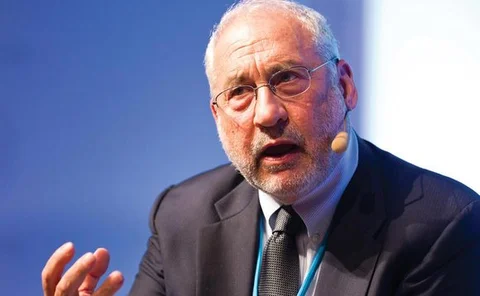
Stiglitz urges central banks to focus on credit, not interest rates
Emphasis on interest rates ignores more important question of whether credit is getting where it is needed, Nobel economist argues