
Monetary policy

Plummeting inflation prompts Bank of Zambia action
Central bank cuts policy rate by 150bp, in addition to a cut to the overnight lending rate and reserve ratio; inflation falls from over 18% to 7% in a matter of months

Uncertainty about momentum in the labour market – RBA minutes
“Mixed” picture in Australian labour market shows unemployment increasing alongside full-time employment; spare capacity likely to persist “for some time”

Fed’s Mester says public should not hold policymakers to ‘unrealistic account’
Monetary policy cannot and should not be used to spur productivity growth, says FOMC member; unwinding of Fed’s mortgage portfolio may help guard it against calls to enter the realm of fiscal policy

IMF praises BCEAO’s latest policy actions
Latest round of measures will result in stronger banking sector, mission chief says; rejuvenation of interbank market will help monetary policy effectiveness

Fed’s Williams says labour market figures are accurate
Current unemployment rate “accurately” reflects the state of the labour market; San Francisco Fed researches a broader measure of the market

Central bank of the year: Bank of England
The BoE has undergone a major restructuring that has reshaped its organisational framework, research and public interaction – leaving it well positioned to meet the challenges ahead after a tough year

Transparency: Bank of Canada
Communications embedded in the policy process, fresh thinking on shared content and an expanded senior team show the central bank’s commitment to staying at the leading edge of transparency

Market ‘tightness’ affects QE success – Riksbank paper
Model accounting for the demand and supply of bonds allows authors to reveal new insights into the price and liquidity impact of asset purchases

Consumption shows asymmetric response to shocks – BoE paper
Households appear to respond more strongly to temporary negative shocks than positive ones, and effects are different for borrowers and savers

Graeme Wheeler to stand down this year
RBNZ governor will not seek a second term; deputy to take interim role as succession process complicated by elections

Kazakhstan’s Akishev sets sights on lower inflation
Governor hails success with inflation targeting and says central bank now plans to push inflation even lower; NBK also working on new banking supervision framework

Kenya’s monetary policy framework under threat – IMF
New interest rate caps are “constraining” the central bank’s ability to conduct monetary policy while negatively affecting banks’ profitability, but action plan could see them eliminated

Norges Bank defends policy framework amid government review
The government is assessing the central bank’s governance and monetary policy; Norges Bank says it needs a “long and flexible horizon” to be able to properly conduct its policy framework

Poloz considers the future of economic modelling
Theoretical and empirical two-pronged approach likely to stay, governor says, though economists are still on the hunt for the “holy grail” single model

Central Bank of Kenya halts reference rate calculation
Rate made redundant by interest cap, Njoroge explains, as banks prepare for the new arrangement; central bank maintains interest rates at 10%

Tight policy keeping a lid on inflation – Central Bank of Iceland
“Steep” pay increases and rising house prices keep the central bank on alert; report warns the situation could easily change

CLS signs MoU with Chinese think-tank
The forex utility will work with the National Institution for Financial Development to support the renminbi’s internationalisation

Inflation is ‘simply not a problem’ – Dudley
New York Fed governor not worried about risks to inflation given recent data and expects current economic expansion to continue for the foreseeable future
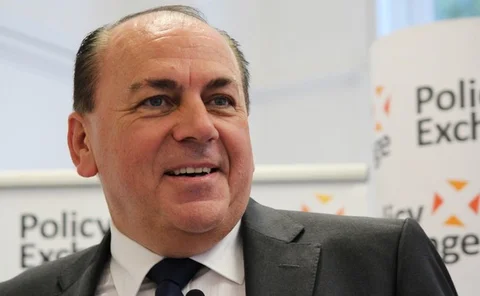
Davos panellists highlight risks posed by strong dollar
At the World Economic Forum, experts underline the risks of a strengthening dollar on not only US monetary policy, but also on emerging markets’ economies

Central Bank of Brazil discussed smaller hike at December meeting
Copom weighed a 50bps cut, but chose to “frontload” monetary easing, given anchored expectations and promising outlook for inflation
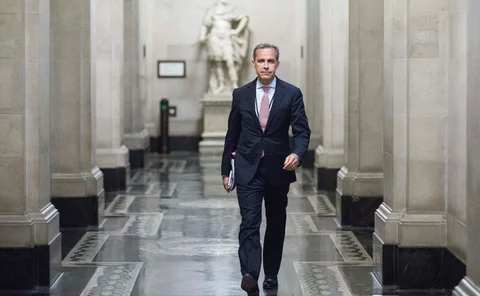
Carney: 250,000 jobs lost by 2018 if BoE had not acted after Brexit vote
BoE governor defends 2016 action by underlining policy trade-off, but warns consumers are "looking through" Brexit-related uncertainties

Policy tensions in China to become ‘more stark’ in 2017 – Menon
MAS head says China's authorities will have to use a fair amount of “policy dexterity” this year to deal with likely US rate rises and volatile international markets

Book notes: The Man Who Knew: The Life & Times of Alan Greenspan, by Sebastian Mallaby
An extensive account of Greenspan's life and achievements, but would have benefited from a closer analysis of his relationships with comrades at the Fed

Monitoring the labour market is key – BoE’s Saunders
Bank of England’s MPC member says unemployment should stay below the equilibrium 5% estimate in 2017 – but, should “warning signs appear”, changes to forecasts could be made