
Liquidity

BoE’s Breeden warns of potential private credit crunch
Deputy governor cautions investors not to regard wobbles as ‘idiosyncratic’

Lane says Blanchard’s Eurobond proposal is ‘feasible’
ECB’s chief economist calls for expanded supply of euro-denominated safe assets

PBoC leaves loan prime rates unchanged for eleventh month
Widely expected move comes after Pan reiterates ‘moderately loose’ policy stance

IMF’s Adrian says tokenised finance needs public backstops
Fund’s director says singleness of money is crucial to maintain financial stability
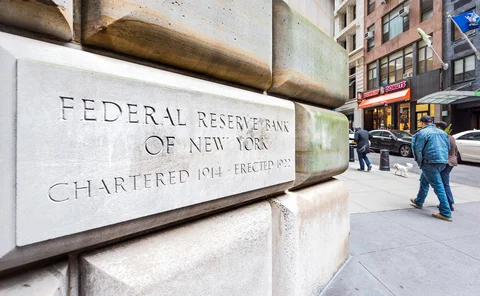
NY Fed outlines tests of reserves demand
Approach can guide central bank as it approaches point of ‘ample’ bank reserves

Bahrain launches support package amid conflict uncertainty
Bank offers loan deferrals and liquidity measures as World Bank highlights country’s economic vulnerabilities

Asean pledges deeper integration in face of Middle East uncertainty
Bloc’s finance ministers and central bank governors highlight increased geopolitical risks

Sama’s Al-Sayari on financial resilience and the future of the riyal
The Saudi Central Bank governor speaks with Christopher Jeffery about the Middle East conflict, the transformation of the Saudi economy, improving prudential oversight and contingency planning, and the development of the fintech and tokenised ecosystem

Poland and Serbia hold rates
Both central banks cite effects of Middle East conflict in explaining policy decisions

Olli Rehn on demographics, geopolitics and ECB policy
The Bank of Finland governor speaks about immigration and productivity, private credit and stablecoin risks, the mood on the governing council and the impact of conflict in the Middle East

Iran war has triggered ‘peak’ FX volatility, say reserve managers
Officials tell Central Banking Meetings that oil supply shock is on its way
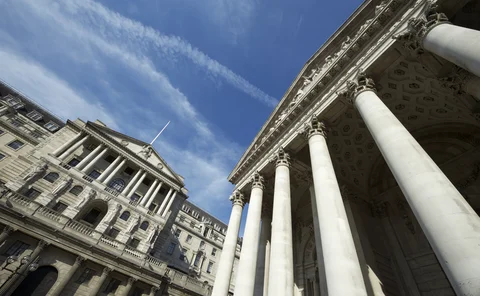
BoE: public debt, private credit and AI are main stability risks
FPC meeting minutes emphasise Iran war’s negative impact on growth, inflation and financing conditions
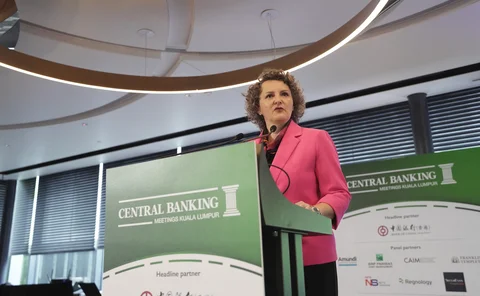
Use AI for ‘deeper insights’, not to make decisions – CBBH head
Selimović also discusses payments and reserves at Central Banking’s Kuala Lumpur meetings

Qatar boosts liquidity to support war-hit economy
Measures include loan deferrals, unlimited repo facilities and cut in reserve requirement
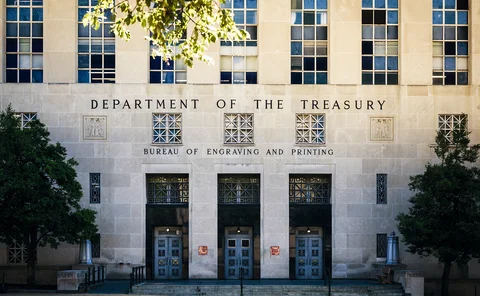
For collateral, can TINA become TIA?
US Treasuries’ dominance as collateral in repo and derivatives is no longer set in stone, argues economist

Dirk Niepelt on the political economy of CBDCs
The BoE CBDC adviser discusses the social role of a retail digital currency versus commercial bank money and favours a remunerated approach

Central Banking Awards 2026: the winners in full
Awards recognise extraordinary achievements in another challenging year for central banks
Czech Republic, Moldova, Sweden and Ukraine all hold
Riksbank also lowers rate for supplementary liquidity facility as liquidity starts to dry up

Central banks in China, Hong Kong and Taiwan hold rates
Taiwan tilts hawkish, Hong Kong follows Fed and China expected to ease by 10bp this year

Financial services: Citi
The US bank has striven to provide clients with high-level advice as well as service breadth, technical expertise and execution

UAE launches support programme for country’s banks
Central bank releases capital buffers and provides capital rule relief to help lenders during conflict

Indonesia holds rates and adjusts FX rules to stabilise rupiah
BI says Middle East conflict provides greater reason for fiscal-monetary policy co-ordination

Payments and market infrastructure development – wholesale: National Bank of Ethiopia
The East African central bank has implemented a major overhaul of Ethiopia’s core financial infrastructure

Financial markets infrastructure services – wholesale: Bloomberg
Tech firm helped Nigeria and Sri Lanka’s central banks to build essential FX market infrastructure, and Portugal and Ukraine’s treasuries to optimise debt auctions