
Labour

Mark-ups made up more than 50% of US inflation – Kansas City Fed
Rise in mark-ups may point to opportunistic pricing by firms

Powell signals FOMC may slow pace of hikes
Fed hopes to remove labour market pressure by cutting number of job openings, Powell says

Colombia orders ninth consecutive rate increase
Inflation rises above central bank projections as finance minister expresses frustration
Book notes: 21st century monetary policy, by Ben S Bernanke
Bernanke’s great book offers important insights for today’s policy-makers, writes Stephen Poloz

Joseph Stiglitz on the challenge of fixing macroeconomics
The Nobel Prize-winning economist discusses the flaws in mainstream models and how to repair them, whether central banks went wrong in 2021, and what to do – or not to do – about inflation

Banknotes: July to September 2022
A round-up of news and salient issues that have affected central bankers in the past three months

PBoC launches new phase of e-yuan pilot
Consumers in some cities can use prototype CBDC for public transport and housing

Covid hits women in US workforce – Bowman
Fed governor confident about greater employment opportunities for women, despite inflation headwinds

BEAC governor clashes with political leaders over recruitment
Charges of nepotism follow dispute with Central African Republic over bitcoin

How central bank mistakes after 2019 led to inflation
Central banks must acknowledge their own mistakes and outline concrete steps to restore the public’s confidence in their ability to ensure price stability, write Graeme Wheeler and Bryce Wilkinson*

The case for restoring the role of monetary aggregates
Tim Congdon argues that a surge in money supply in response to Covid-19 sparked heightened inflation and central banks need to refocus their attention on monetary aggregates

Brazil central bank union ends strike
Months of industrial action fail to secure requested pay increase

Iran imposes restrictions on payments
Authorities cite risk of cyber attacks, but economy has also faced capital flight
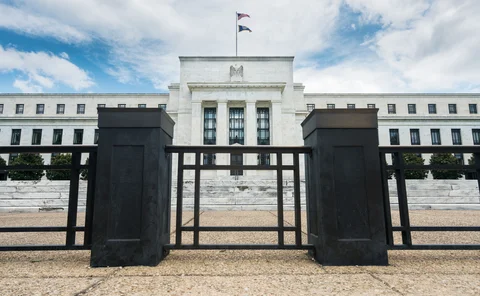
Fed paper argues capitalism killed the Phillips curve
Shift in the balance of power between capital and labour likely to hold down inflation, authors find
Book notes: A full-value ruble, by Kristy Ironside
Soviet experience shows MMT worked, only with far more challenges and downsides than promoters envisioned

New Zealand’s inflation hits 30-year high
Labour shortages also affecting many businesses
BCB union suspends strike for two weeks
Brazil central bank workers reject 5% pay offer and will continue some labour protests

Tech talent: a global bottleneck for central banks?
Central banks are struggling to recruit people with the right fintech expertise. The search for talent may also create new ethical challenges in managing links to industry
Brazilian central bank strike escalates
Staff now out indefinitely, interfering with Pix and economic statistics

Fed’s Bostic: uncertainty is hallmark of current economy
Atlanta Fed chief sees myriad forces pushing up inflation, but warns Fed may still tighten too fast

UAE central bank to 'Emiratise' finance sector
Measure will reserve 5,000 jobs for nationals by 2026

Fed officials debate risks of a ‘hot economy’
Academics and policy-makers weigh up whether economy is now overheating

Change at the Bundesbank: from Weidmann to Nagel?
Joachim Nagel’s appointment highlights the importance of politics at the apex of German central banking. Veteran central bank watcher Klaus C Engelen looks at the media reaction and asks if Buba/ECB discord is set to continue

Union objects to Colombian central bank’s branch closures
Bank of the Republic is converting some regional offices to cultural centres, closing treasuries