
Financial crisis
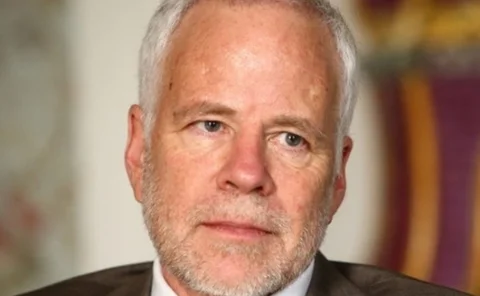
Interview with Barry Eichengreen
Berkeley economist Barry Eichengreen talks to CentralBanking.com on the IMF’s new role, reserve currencies and the future of economics as a science
Fed’s Rosengren on lessons from history
Boston Federal Reserve’s Eric Rosengren draws on crises in previous centuries to come up with broad lessons on turmoil
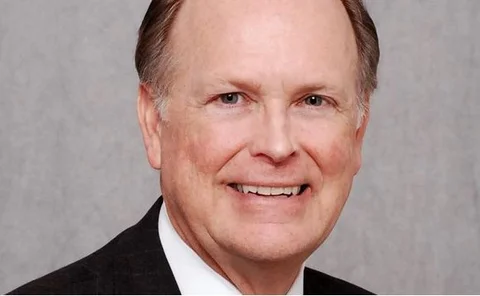
Plosser attacks Fed liquidity support
Philadelphia Federal Reserve president says central bank has gone “far beyond” Bagehot’s lender-of-last-resort tenet, should accept nothing but Treasuries
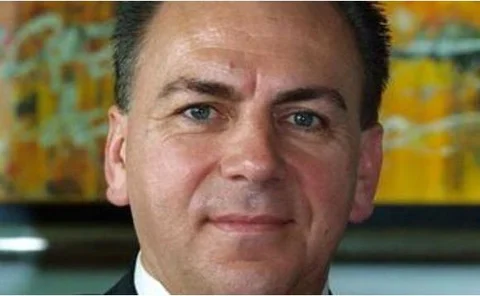
Research to focus on stability: Buba’s Weber
Bundesbank’s Axel Weber says central banking studies must concentrate on financial stability and links to monetary policy

Crisis underlines democracy’s flaws: ECB’s Bini Smaghi
Short-termism inherent in democratic government led to the lax supervisory regimes that paved way for banks’ excesses, says ECB board member

Nigeria’s woe signals decoupling not in sight
International Monetary Fund finds developing and emerging markets did not decouple from the United States enough to grow despite significant recession in the world’s largest economy
Swaps a success: SNB economists
Swiss National Bank researchers say swap agreements were highly effective low-cost solution to currency mismatches

Spain must step carefully on the road to recovery
Bank of Spain’s Miguel Fernandez Ordonez says domestic economy and financial sector face challenges ahead
Summers says crisis won’t hit potential growth
White House adviser Larry Summers says he expects growth to fully recover, optimism contrasts with eurozone outlook
Monitoring can prevent crisis
International Monetary Fund looks at role of uncertainty in contagion during a financial crisis
Fed’s Lacker: economics key for financial education
Richmond Federal Reserve’s Jeffrey Lacker says financial education programs should include economics
China’s consumption key for crisis exit
International Monetary Fund says global recovery needs China and Japan to strengthen domestic consumption

ECB’s Tumpel-Gugerell calls for structural reforms
European Central Bank's Gertrude Tumpel-Gugerell says structural reforms needed to emerge from the crisis
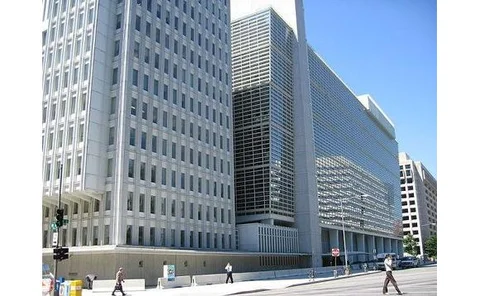
World Bank – Annual Report 2009
World Bank outlines post-crisis support measures

Raise liquidity rule for property funds – Buba
Analysis of German real-estate funds during the crisis shows that regulators should impose a higher liquidity ratio, a new paper from the Deutsche Bundesbank argues

Tucker: “no clear idea” on too-big-to-fail fix
Bank of England's Paul Tucker acknowledges lack of clarity in solving too-big-to-fail problem
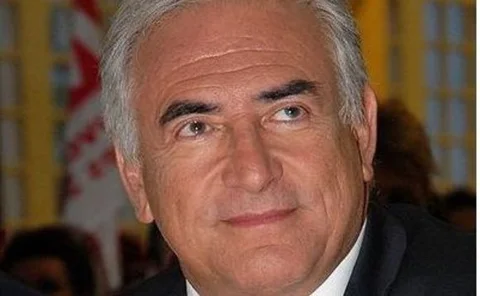
Strauss-Kahn covets lender-of-last-resort role
Dominique Strauss-Kahn says International Monetary Fund must become a global lender of last resort to temper emerging Asia's desire to hold reserves
Bernanke calls for extended supervisory reach
Ben Bernanke’s five-point plan for regulatory reform includes call to share accountability for systemic risk with other regulators

Imbalances: this time it's different, says Blanchard
International Monetary Fund sees growth recovering to 3% next year but warns that without imbalances fix, long-run picture remains bleak
Recovery underway, but risks remain – IMF
Global Financial Stability Report cuts financial loss projection
Banks’ funding models to blame for the crunch
ECB Executive Board member Gertrude Tumpel-Gugerell says funding switch weakened banks, complex instruments alone not the cause of the crisis

Wanted: paranoid and unpopular central bankers
Panel says central bankers must look for risk everywhere and be prepared to implement unpopular policies to prevent the next crisis
Buba’s Weber charts history of regulation
History points to regulation’s frailties, notes Bundesbank’s Axel Weber

Interventions helped creditors not shareholders
Bank for International Settlements reviews market reaction to bank rescue packages during the crisis