
Euro

IMF report urges review of euro timeline in Romania
Staff fear convergence could take longer than expected; encourage the transition to a ‘full-fledged’ inflation targeting regime at the central bank

Denmark eases pressure on banks but stays tough on krone peg
National Bank of Denmark raises limits on current account deposits to ease pressure on banks after forex interventions, but stresses speculators will lose if they continue to attack the krone peg

Azerbaijan devalues currency by a third
Central bank follows up last week’s decision to abandon its peg in favour of a currency basket by devaluing the manat by 34% against the US dollar

Jordan laments ‘significantly overvalued’ franc
Some of the ‘overshooting’ that occurred in the wake of the SNB’s decision to withdraw its currency cap has been corrected, but Jordan argues the franc is still too strong

Latest round of Greek bailout talks collapses
Discussions over extending Greece’s bailout collapsed late last night after the country's finance chief Yanis Varoufakis rejected a plan by the Eurogroup to continue with the current programme

Book notes: European Spring, by Philippe Legrain
Ambitious and accessible, this book's take on events is provocative and its alternative insights warrant reflection
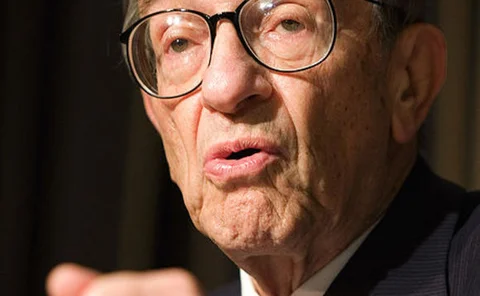
Greenspan: Eurozone could collapse without political union
Former Fed chair Alan Greenspan says it is ‘very difficult’ to imagine the eurozone remaining intact without political union, while it is ‘just a matter of time’ before Greece departs
Denmark cuts rate for third time in 11 days
Danish central bank cuts its deposit rate for the third time since the Swiss National Bank decided to abandon its exchange rate commitment; rate now sits at -0.5%

Syriza reaction: Exit fears overblown but bitter struggles to come
Economists respond to Greece’s new Syriza-led coalition government with mixed feelings, but see an exit from the euro as unlikely despite the coming north-south confrontation

Mersch lays out path to capital markets union
ECB executive board member says harmonised regulation and ‘institutional adjustments’ needed in Europe; suggests change in securities markets

SNB shocks markets by abandoning euro ceiling ahead of ECB showdown
Swiss franc sharply appreciates against the euro in the wake of the Swiss National Bank’s decision to scrap the minimum exchange rate; central bank does not rule out ad hoc interventions
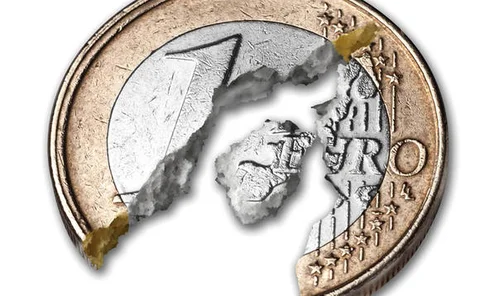
Reserve managers shun the euro, IMF data shows
International Monetary Fund data from the third quarter of 2014 shows a significant hit to euro reserves following negative interest rates

Czech National Bank advises against joining ERM II in 2015
Central bank says the government should not set a target date for entry into the eurozone; raises concern over pace of economic convergence and costs of joining

Central Bank of Ireland urges households to spend 2.5bn copper coins on Christmas shopping
Bank warns local shops are running out of coins as people consign them to ‘jars and piggy banks'; says small change ‘better being spent or given to charity'
Euro Retail Payments Board warns of fragmented market for 'instant payments'
Stakeholder group sets up working streams on 'person-to-person' and contactless euro payments; chair Yves Mersch stresses importance of instant clearing services
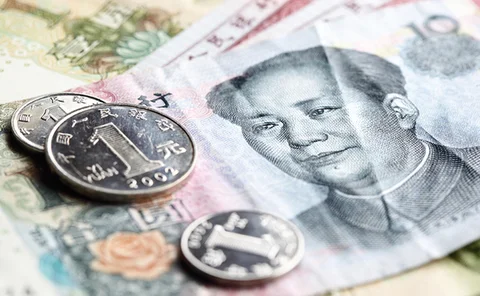
PBoC sanctions direct trading between renminbi and euro
People’s Bank of China names euro as latest currency to be directly tradable with the yuan on the Chinese interbank market

Central Bank of Hungary digs into reserves to supply banks with foreign currency
Measure aims to cover balance sheet mismatch prompted by government plan to convert forex loans into local currency; central bank will allocate €3 billion for the purpose

Portuguese central banker warns new €10 banknote may not be accepted by all vending machines
Bank of Portugal board member says he cannot guarantee the note will be accepted by all machines, as owners are responsible for making necessary software changes
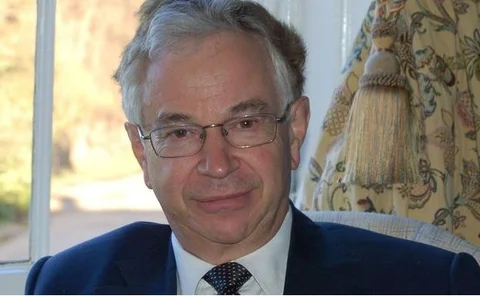
Robert Pringle’s Viewpoint: A qualified case for Scottish independence
If the Scots vote for independence they will run many risks including a perilous path to create a Scottish currency; but they have the human resources to make a go of it

Draghi sets out national reforms necessary to revive investment
ECB president says inflation will not fully recover until investment increases, which is dependent on national governments pursuing structural reforms

Olli Rehn: Scotland would need central bank to join EU
Independent Scotland would not be able to both keep the pound sterling and join the EU, former commissioner argues, referring to ‘core part' of union treaty

Lithuania takes delivery of first euro coins
1,740 tonnes of coins must be minted ahead of currency switchover on January 1; delivery is supervised by police under special agreement signed in May

Book notes: Alexandre Lamfalussy, by Christophe Lamfalussy, Ivo Maes and Sabine Peters
This is a fascinating account of the life and career of a great European

The challenges for central banks
Demands are being made for central banks to consider financial stability alongside price stability, as a key component of their monetary policy. But that is nothing new for central banks