
Emerging markets

Local shocks may outweigh global factors for EMEs – ECB paper
US monetary shocks less important than much recent literature argues, researchers say

BoE to expand scheme that sends economists to emerging markets
UK government partners with BoE to provide economic expertise to emerging markets

Time for resilience
Events that impact markets have made it crucial to build resilient portfolios that are aware of downside risks. BlackRock explores the importance of protection in downturn scenarios for reserve managers.

Carstens says EMEs are right to intervene but must be ‘rigorous’
BIS is “expending a great deal of analytical effort” in understanding the issue, he says

Emerging markets Argentina and Turkey: mission impossible?
High international debt exposures, large deficits and institutional frailty have fuelled capital outflows, weaker currencies and soaring inflation in Argentina and Turkey. Does the US Fed’s pause give the EM central banks reason for hope?
The IFF China Report 2019
Insight and perspectives from the world's leaders, premier policy-makers and financiers

The IFF China Report 2019: Financial deepening, fintech development and green financing
The past 40 years have seen China transform from a recipient of global aid to a major economic centre in its own right. China is now seeking to deepen its markets, gradually open its borders to global financial flows, and promote new and innovative forms…

Motivations and prospects for central bank digital currency
Sayuri Shirai surveys the many forces driving increased interest in CBDC, and its flip side – changing cash dynamics

The IFF China Report 2019: The Belt and Road Initiative
Over the past five years, China has invested more than $70 billion in Belt and Road Initiative (BRI) countries, of which there are now in excess of 100. Leading Chinese and international policy-makers explain how BRI efforts are progressing. This section…

The Belt and Road Initiative 2019 Survey – A new driver for globalisation?
The second Belt and Road Initiative (BRI) Survey of 28 central banks reveals that they view the BRI as a major driver of globalisation, with a high percentage of respondents expecting the initiative to provide a significant boost to GDP. So far,…
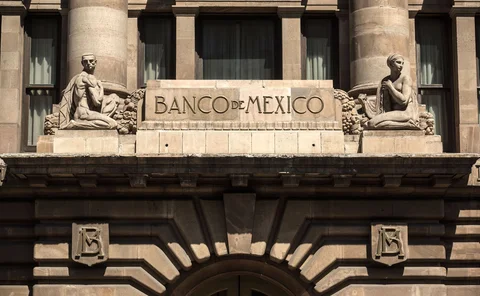
Pause in normalisation could be bad news for EMEs – Mexico’s Guzmán
A pause may create a “more complex and uncertain external setting” for EMEs, he says
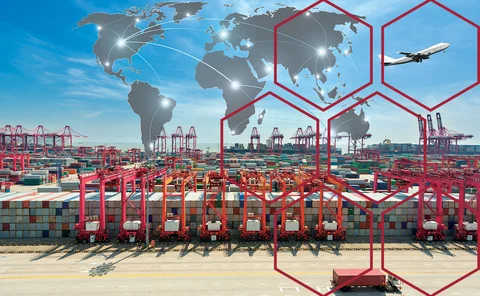
The IFF China Report 2019: Redesigning the international trading and monetary system
Reform of the financial system that brought about the 2007–08 financial crisis has not gone far enough and advanced and emerging market economies must find a more co-operative way forward to ensure globalisation can continue.

An international system for all
Reform of the system that brought about the financial crisis in 2007–08 has not gone far enough, writes Zhu Xian, IFF vice-chairman and vice-president of the New Development Bank. Developing countries are demanding greater influence in global economic…

Informal sector changes inflation dynamics – BIS paper
Informality dampens impact of some shocks but also impairs policy transmission, authors find

IMF cuts growth forecasts for most economies
Japan and China are the only two to receive a more optimistic outlook from the IMF; global economy at a “delicate moment”, says Gita Gopinath

The IFF China Report 2019: New globalisation – The path to the future
Multilateral rules and multilateral bodies will need to be upgraded in the coming years to better represent the shift in economic gravity towards Asia, which has emerged as the largest contributor to global growth during the past decade.

Local currency debt not enough to escape US dollar influence – BIS paper
Emerging markets borrowing in domestic currency are still affected by the US dollar exchange rate

EMEs have limited policy independence if open to capital flows, researchers find
Alternative policy tools can be deployed to overcome the dilemma, the authors say

BIS book outlines macro-financial policy framework
“Integrated inflation targeting” would combine policies for maximum effect, authors say

Global markets award: HSBC
HSBC’s global reach and expertise in emerging Asian markets has helped its long-term central bank clients develop more sophisticated reserve management strategies and move into new markets
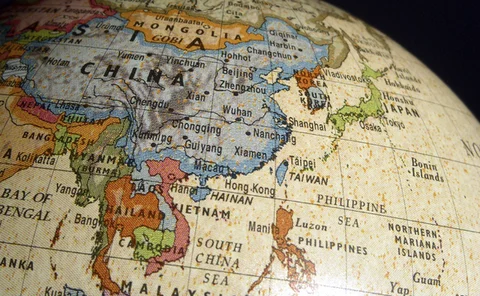
Rise of renminbi prompts central banks to open Asian offices
A total of nine central banks now have offices in Asia, but New York remains city of choice

People: Nellie Liang withdraws from Fed nomination; World Bank chief resigns
Trump nominee had played a key role in setting up the Fed’s stress tests; Kim was due to leave World Bank presidency in July 2022; further appointments in UK, Vietnam and Ghana

2018: The year in review
The past year marked a return to instability, but also saw some innovations among central banks

EME banks have ‘substantially’ increased global footprint – BIS research
Study finds emerging market banks have taken a greater role as their home economies have grown