
Emerging markets

Bank of Canada paper studies capital control motivations
Researcher designs policy rule to study whether capital controls are imposed with “mercantilist” or “macro-prudential” motivations

IMF: global recovery is broad but incomplete
Fund ups its growth forecasts but says many are missing out; Maurice Obstfeld urges policymakers to take action while “times are good”

EMs should work to avoid ‘macro-prudential war’ – BIS article
Use of macro-prudential policies should be co-ordinated internationally for maximum effect, say Luiz Pereira da Silva and Michael Chui

Fed paper calls for rethink of conditions for setting capital controls
Policymakers should also consider how external shocks affect the borrowing capacity of the country, researchers say

Sarb concerned with KPMG audits in South Africa
Auditor reshuffles local leadership and carries out investigation, but may lose major clients

MAS’s Chia points to the value of EM bonds
Singapore’s reserves and markets chief says interest in onshore Chinese bonds may act as a catalyst for emerging market bonds at a time when the outlook for yields from traditional reserve assets remains low

Fiscal stabilisation spurs growth in low fixed-asset sectors - IMF
Those with difficulty raising external funds benefit most from policy, paper argues

Vietnamese government criticises central bank
Anti-corruption agency denounces inadequate banking supervision

Paper challenges Rey’s ideas on global financial cycle
Cerutti, Claessens and Rose contest idea that capital flows are mainly the result of common shocks or developments in the US

BSP launches reforms to spur domestic debt market growth
The country aims to develop its domestic capital market to finance its massive infrastructure program; reforms will be undertaken over a period of 18 months
IMF paper explores relation between greenhouse gas emissions and GDP growth
Research studies how advanced economies are transitioning to low-emissions economic models

Bank of Colombia forecasts stronger growth as oil shock fades
The central bank expects higher GDP growth in 2018, as inflation remains within target and the peso’s exchange rate with the dollar stays stable

Goodhart and Pradhan: demographics will reverse ‘multi-decade’ trends
Ageing population is likely to put upward pressure on real interest rates and inflation, and push down inequality, economists say

Evolution of monetary policy in advanced economies spells trouble for emerging markets – paper
Research explores the impact future monetary policy will have on emerging markets, concluding many will be forced to implement defensive measures

IMF research flags technology’s role in falling labour share of income
Automating routine tasks is cheaper for companies, which reduces jobs for middle-skilled workers and contributes to higher inequality in advanced economies, paper finds
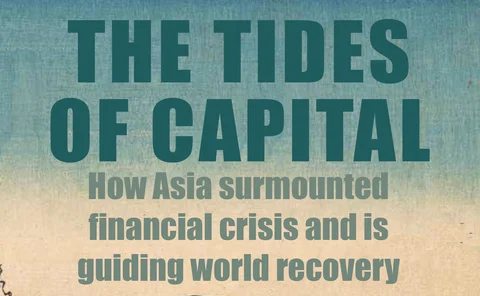
Book notes: The Tides of Capital, by Julia Leung
This “stimulating read” offers a unique perspective on how Asian countries have developed economically over the past 20 years. More interesting is Leung’s unintentional revelation that they still have a long way to go

BIS rewrites statutes to boost board diversity
Changes reduce the influence of the BIS’s European directors and could pave way for better representation of emerging markets

BIS urges policymakers to exploit ‘window of opportunity’
Financial cycles are getting close to turning in many economies and central banks and governments must make sure they are prepared, the BIS warns in its 2017 annual report

Indonesian deputy Perry on revolutionising monetary and financial policy
Perry Warjiyo explains the central bank’s radical overhaul of monetary policy operations, market deepening and financial inclusion in Indonesia

BIS comes to the defence of globalisation
Increasing trade and financial integration have had a “profoundly positive” impact on people’s lives, but do bring drawbacks too; the correct response is not a wholesale rollback, says Jaime Caruana

Paper explores effects of capital controls on cost of international debt
Restrictions on capital inflows produce “substantial” corporate bond spreads but effects are mitigated for firms in EU or with English legal origins

Central banks build expertise in move to riskier reserve tranches
Growing popularity of reserves tranching is stretching central banks’ capabilities, a new report finds, but they are turning to asset managers and other central banks for help

BNM’s Ibrahim urges Asia to “re-engineer” global monetary system
Countries should reduce their reliance on the US dollar and promote a “multi-currency market” within Asean, says Muhammad bin Ibrahim

Poorly designed macro-pru leads to ‘leakages’, says Turkish working paper
Macro-pru should be designed so firms cannot “bypass” regulations implemented during positive global liquidity shocks; generally policies are effective in controlling credit