
Speech
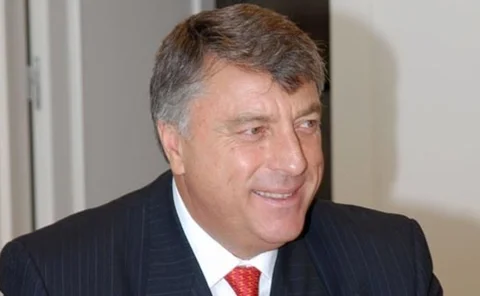
Albania governor says lack of European co-ordination exacerbated crisis spread
Bank of Albania governor says big European banking groups can transmit global and European shocks to small economies in south-eastern Europe

Bank of Zambia holds seminar for local journalists
The Bank of Zambia held a three-day seminar for journalists at a holiday resort last week, impressing on them their responsibility to provide accurate information on the economy

Finland deputy: Banking union may 'exacerbate conflict' for national supervisors
Banking union is envisaged to lessen the role that national interest plays in bank supervision, but Pentti Hakkarainenin warns of potential short-term setbacks

Bangladesh Bank governor hails SME finance initiative
Central bank funding for SME lending has seen loans to small businesses grow in absolute terms, and as a share of bank lending, since 2010
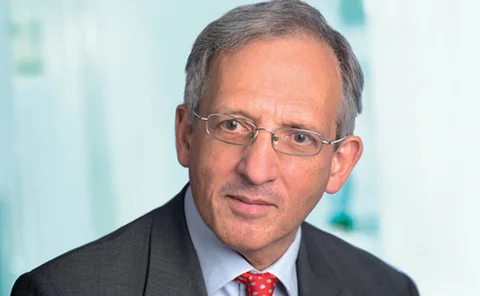
BoE's Cunliffe warns of 'sustained and powerful pressure' on UK house prices
Deputy governor for financial stability says it would be 'dangerous to ignore momentum in housing market' and cautions that new prudential measures have yet to be tested
Cœuré sees ‘limited’ case for central bank cooperation
More cooperation between central banks would not have produced especially different policies in the wake of the financial crisis, according to ECB’s Benoît Cœuré

Pakistan governor sets out communications ‘revamp’
State Bank of Pakistan’s Wathra says the central bank will be updating its website to make it more ‘transparent’ as well as running workshops for local journalists

Bundesbank’s Dombret unperturbed by rising house prices
Andreas Dombret says prices are still tied to fundamentals in German economy, though he would be more concerned if lending began to rise alongside house prices
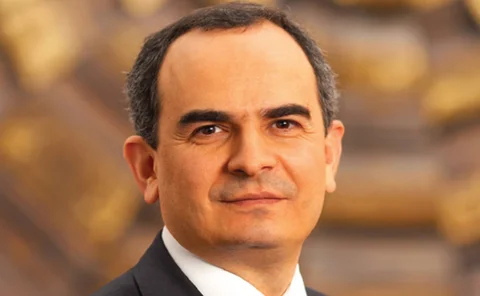
Turkey's Başçı says inflation will peak in May
Central Bank of the Republic of Turkey governor Erdem Başçi says current account deficit to shrink 'substantially' in 2014 at conference hosted by National Bank of Macedonia in Skopje

Poloz says low rates may be new norm
Bank of Canada governor Stephen Poloz says there is growing consensus that interest rates will remain at low levels even when the Canadian economy has recovered

Constancio hails Banking Union's ‘remarkable sharing of sovereignty'
ECB vice-president Vitor Constancio says Banking Union with no common recapitalisation tool requires EU's biggest economies to surrender their advantage
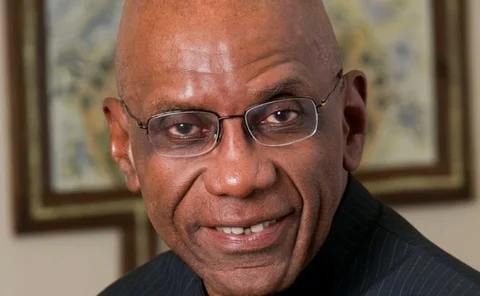
Exchange rate depreciation is of limited benefit to small, open economies, says Barbados governor
Central Bank of Barbados's DeLisle Worrell says small, open economies face forex constraint that frames economic policies and cannot be alleviated by fall in real exchange rate

New governor aims to restore trust in Bank of Korea
Juyeol Lee will seek a ‘rebirth' of the Bank of Korea as a central bank that is ‘trusted by the Korean people'

Buba's Dombret says ECB agrees there are limited risks of deflation
Low inflation in the eurozone should not become deflation, Andreas Dombret says in a speech at the Dallas Fed, as current low inflation reflects unique factors
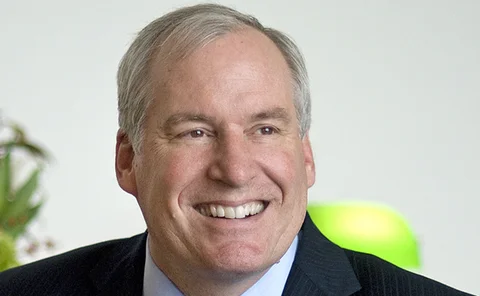
Rosengren calls on FOMC to update forward guidance
Boston Fed president Eric Rosengren – who is not on the FOMC this year – calls for guidance to be increasingly linked to achieving the dual mandate

Irish deputy calls for legislative review as SSM nears
Central Bank of Ireland deputy governor Cyril Roux wants to review the country’s legislation to ensure there are no conflicts with the new SSM regulation

RBA’s Debelle sees mixed future for bond markets
Guy Debelle says corporate bond issuance will remain ‘subdued’ in the near term as large Australian companies have ‘accumulated significant cash balances’
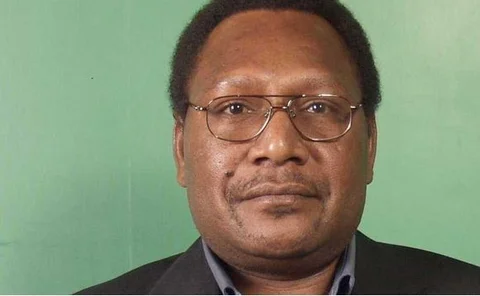
PNG governor says central bank braced for LNG revenues
Bank of Papua New Guinea governor cautious in face of liquefied natural gas production coming online later this year, which could boost growth but may result in a decline in the manufacturing sector

Philadelphia Fed president calls for 'simpler' regulatory mechanisms
Simple, transparent regulatory mechanisms would make it easier for market participants to predict how regulators behave, and increase the effectiveness of the regulatory regime, Charles Plosser argues
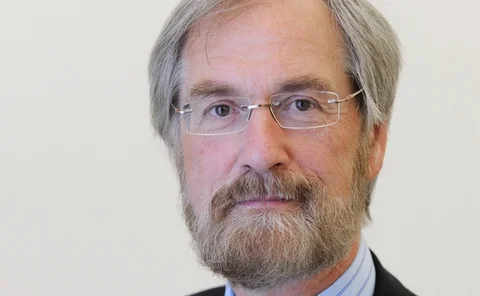
Praet invokes Minsky to show importance of banking union
Europe's economies cannot converge by allowing 'catch-up' countries to ride a financial cycle upswing - as what goes up must come down, ECB chief economist tells conference

Caruana outlines path to recovery from global balance sheet recession
BIS general manager says global economy requires co-ordinated monetary, prudential and fiscal policies in order to recover from the recession caused by financial boom and bust

Norges Bank governor says clear 'reaction pattern' lessens attention on forward guidance
Øystein Olsen tells Columbia University audience the better central banks become at communicating their reaction pattern, the less attention their forward guidance will receive

DNB's Knot says EMU countries must stick to macroeconomic rules
Blame for the euro crisis should be shared between surplus and deficit countries, says Dutch central bank chief, who urges a strict adherence to rules governing monetary union

Weidmann would consider 'outsourcing’ SSM from ECB
Jens Weidmann tells Klaas Knot the ECB should consider ‘outsourcing’ the single supervisory mechanism once it is established