
Europe

Use of asset purchase programmes for monetary policy wanes
Additional central banks end scheme, as more institutions forecast decrease

FATF finds global crypto AML failures
Most jurisdictions “struggle with fundamental requirements”
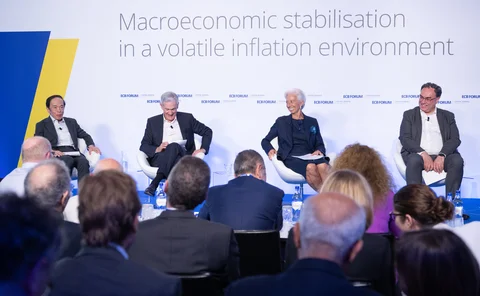
Policy has not been tight long enough – governors
Hot labour markets boost wages and core inflation, making inflation persistent

EC proposes legal tender status for digital euro
Legislation envisages digital wallet available on- and offline, while safeguarding cash
Few central banks brief fiscal authorities on monetary decisions
But practice is more common in institutions from the Americas

ECB ‘cannot declare victory yet’ over inflation – Lagarde
President stresses rates will need to be higher for longer to defeat persistent inflation

Corridor systems most used to set monetary policy
Floor systems less popular overall but widely used with asset purchase programmes
Debt issuance powers remain key attribute of most central banks
Proportion of non-debt issuing institutions narrows year-on-year to 6%

Two major lenders tighten limits on Russian transactions
Raiffeisen stops euro payments to Russia, and Bank of China stops yuan payments from Russia

Switzerland and Norway raise rates
Norges Bank expects further increases while SNB does not rule them out
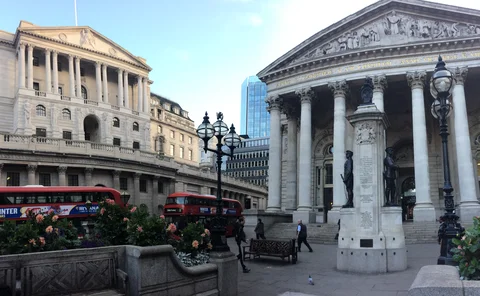
Bank of England adopts ISO 20022
Businesses and consumers may have more data input options by year’s end

Euro remained second reserve currency in 2022 – ECB report
Structural factors continue to hold back the euro as a reserve currency

Why fear, paranoia and distrust swirl around CBDCs
Populists and conspiracy theorists are exacerbating public concern about retail CBDCs. What can central banks do about it?

Liquidity buffers had mixed impact during Covid-19, ECB paper finds
Higher buffers for funds slowed initial fire sales but had less impact during “peak phase”

Schnabel stresses inflation risks and need for tighter policy
ECB needs to err on the side of doing too much rather than too little, says board member

Bank failure déjà vu
New bank capital rules were meant to ensure failures would be less frequent and resolution not involve taxpayer money. Then came the collapse of Silicon Valley Bank and Credit Suisse, writes Jesper Berg

Higher or longer? That is the ECB’s question
Speeches by Bundesbank president and Banque de France governor stake out divergent positions on ECB governing council
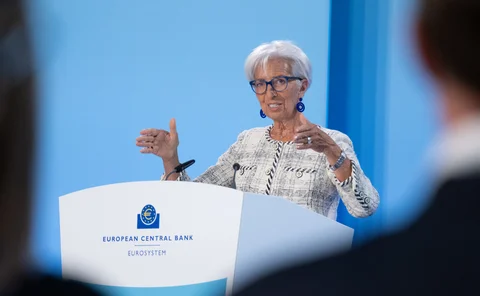
ECB raises rates again and signals more tightening
Tight labour market and core inflation surprises have driven forecasts higher, Lagarde says


Cash here to stay, at least as a store of value
Central Banking Summer Meetings: As cash use in payments decline, it may become unprofitable for private actors

Borrower-based measures show value as macro-pru tools
Central Banking Summer Meetings: Central bankers resist pressure to ease buffers at first sign of downturn
Median RTGS system processes nearly $100bn annually
Median value of payments rose by $15bn from the previous benchmark
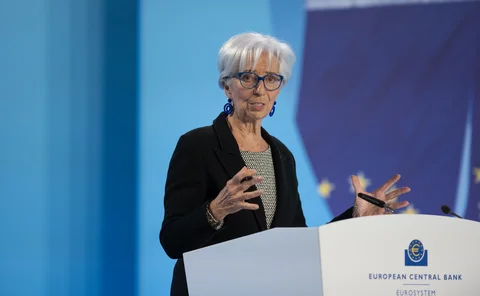
ECB enters new phase in fight against inflation
Central bank faces stronger trade-offs as economy weakens and it approaches terminal rate
Primary RTGS systems have average $1.65m in operating costs
Majority of central banks increased payments system divisions budgets in the past year