
International Monetary Fund (IMF)
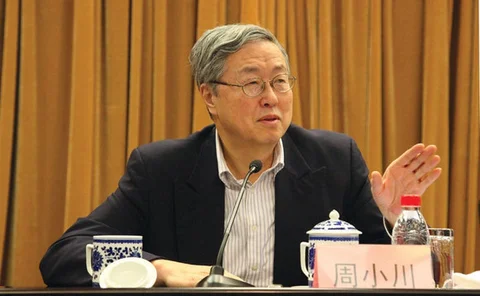
Ex-PBoC governor says renminbi internationalisation is long-term project
Future is "promising", despite signs of stagnation

Indonesian central bank hikes rates as global volatility hits rupiah
Forex interventions cut reserves by 11% between January and July 2018

Cameroon faces risks from microfinance links to banks – IMF staff
Rise of mobile banking is making microfinance sector more vulnerable, report says

Argentinian central bank takes drastic action over currency crisis
BCRA hikes key rate by 500 basis points and pledges major forex and debt changes

The perilous road to normality
Many central banks are starting to tighten policy, but their room for error is limited and their final destination unclear. What more can they do?
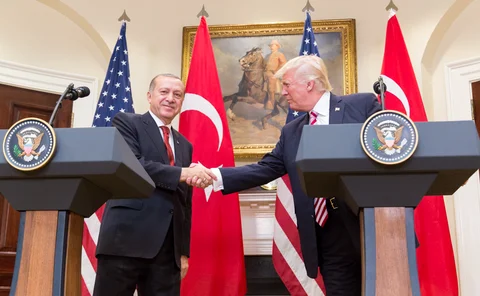
Trump and Erdoğan: cut from the same populist cloth
Barry Eichengreen compares the respective strongmen of the US and Turkey, as the latter country spirals towards crisis

Brazil needs loose policy to safeguard recovery – IMF
Central bank held rates unchanged at record-low level on August 1

Zimbabwean economy faces uncertainty after controversial election result
Violence and accusations of unfairness around the presidential election have dampened hopes of economic recovery

Open economies less affected by low rates due to ageing populations – IMF
Older societies are prone to save more and consume less, which reduces inflationary pressures

People: Bank of Spain governor nominates new deputy
Governor nominates first female candidate to deputy role; central banks in Colombia and Seychelles get new board members; IMF appoints new legal head

IMF calls for Guinea central bank to cut government financing
Central bank must build up currency reserves and follow rule-based intervention strategy

Venezuela will give oil reserves to central bank and slash zeroes from currency
Central bank will have control of basin with 29 billion barrels of oil, president says
IMF warns of global risks from US fiscal expansion
Faster policy tightening by Fed could harm emerging economies, Obstfeld says

People: Maurice Obstfeld to retire from IMF in December
Macau reappoints monetary authority chairman to one-year term

The data commons: Taking big data global
The International Monetary Fund’s first-ever overarching strategy on data aims to spread big data expertise among fund members. Louis Marc Ducharme discusses the upcoming challenges.

Peru central bank clashes with IMF over communication
Central bank says it has no plans to modify communication given success of guidance

G20 warns against protectionism
Finance ministers and central bankers commit to support economy with fiscal and monetary tools

Trump tariffs could force Fed’s hand – IMF
US central bank could be forced to raise rates more quickly if tariffs force prices higher
IMF demands reinforced inflation targeting in Argentina
A new central bank charter should reinforce independence, fund says

FSB launches crypto asset monitoring framework
Metrics will focus on the financial stability risk of crypto market; much of the data will be pulled from public sources

Vietnam says it is “actively prepared” to intervene in forex market
Interventions have helped protect the dong’s value, but depreciation gathered pace in June

Weak US productivity behind low wage growth – IMF
Declining labour share of income is another contributing factor

Zimbabwe clears debt with IMF but hurdles to financing remain
IMF looks to extend debt deadline for Somalia and Sudan

Competitive housing markets fostered risk taking before crisis – IMF research
In areas with higher price volatility institutions lowered lending standards