
Payments

India and Singapore link fast payments systems
Connection designed to help diaspora make cheaper and faster transfers

BoT’s Sethaput on inflation dynamics, central bank mandates and multi-lateral payments
The Bank of Thailand governor speaks with Christopher Jeffery about the trend towards higher inflation, the sustainable finance challenge, experiments with CBDCs and governance issues related to multi-lateral payments

Iran and Russia to link banking systems to bypass sanctions
Move follows Iran’s signing of free trade “memorandum” with Russia-led EAEU

Brazil’s central bank reassures public that Pix is free
Online rumours claimed payments system would start charging consumers and firms

There’s work to be done on RTGS contingencies
Central bankers from Canada, Thailand, Singapore and Brazil discuss RTGS backup planning, including how redundancy, cost and complexity prevent central banks from operating more contingency sites

Kentucky restaurant sues Fed
Restaurant latest plaintiff to argue that debit interchange fees are illegally high
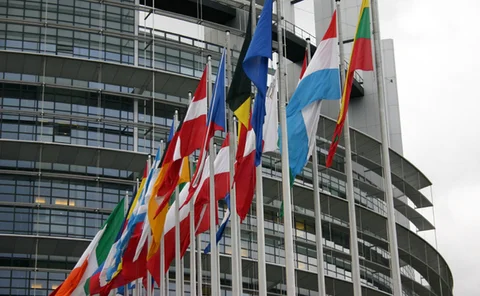
Eurozone citizens still use cash in majority of transactions
Cash use declines since 2019, but still makes up almost 60% of transactions

Italy to allow larger cash payments despite central bank objections
Official warns move could encourage illicit activity

Kenya central bank restores mobile money transfer fees
Move will reverse anti-Covid measure, but cut fees from 2020 rates

Fijian central bank upgrades RTGS
New system will handle $81.6 billion of transactions annually, Reserve Bank of Fiji says

New York Fed advances two digital asset exchange projects
Regional Fed to test cross-border payments with MAS and explore “regulated liability network”

The long road to 24-hour RTGSs
Extended hours would help international payments but some central banks challenge the business case
Brazilian central bank will make Pix open source
Communications protocols will be open to all “for free”

Project shows blockchain making FX trades faster and safer – NY Fed
Tests by NY Fed and BIS settles FX spot trades in less than 15 seconds
‘Any use case’ helped Pix succeed, Brazilian official says
Focus on user experience, low fees and firms’ support brought success, head of Pix team says

BIS and central banks say multi-CBDC platform trial was a success
Central banks of China, Hong Kong, Thailand and UAE took part in US$22 million cross-border trial

FATF puts Myanmar on money-laundering blacklist
Move may increase economic pressure on military junta as currency crisis grows

ECB delays launch of new RTGS system and T2 consolidation
Launch had been scheduled for November but is now expected in March 2023

Banks in Kyrgyzstan suspend Mir
Operations limited in Kazakhstan, Uzbekistan, Turkey and Vietnam on threat of US sanctions
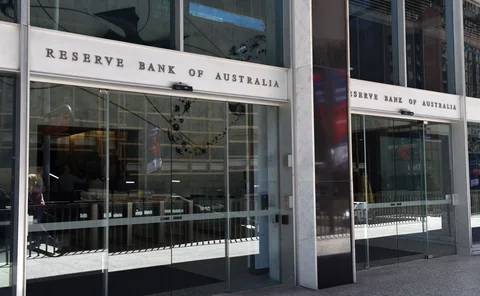
RBA payments systems suffer outage
Problem took too long to resolve, and platform is too fragile, payments executive claims

Payments Benchmarks 2022 – presentation
Central Banking’s payments subject matter specialist Riley Steward speaks with Chris Jeffery about digital currencies, payments oversight and more

The race to adopt ISO 20022 payments messaging
Some jurisdictions do not plan to adopt the protocol, while others are preparing for a disjointed implementation

Russia’s Mir forced into retreat
Banks and payment systems across Asia banish Russian cards after US warnings

US CBDC research ‘could take years’, says Treasury
Report weighs design choices that could underpin digital dollar