
Financial Stability
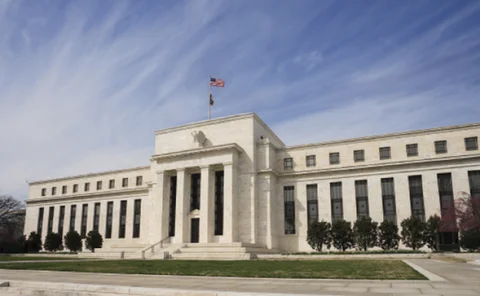
British hacker charged over Fed computer break-in
Man charged after allegedly hacking into Federal Reserve files, downloading sensitive information and posting it to the internet; charges carry prison term of up to 12 years

Asia weathered crisis better thanks to lessons of the '90s
The Asian financial crisis of the late 1990s led the countries affected to implement policies that stood them in good stead for the global crisis of the past few years

Yellen hits back at critics over 'discriminatory' treatment of foreign banks
Following EU complaints, Fed chair tells Senate panel that new regulations are essentially the same as those faced by US banks abroad; Bitcoin is outside Fed's remit

Weidmann says macro-prudential instruments should be a ‘political top priority’
Bundesbank president says macro-prudential instruments should be prepared urgently; points out flaws in attaching greater importance to the financial sector when setting monetary policy

Ingves: Basel Committee still has ‘quite a bit of work to do’ on leverage ratio
Stefan Ingves tells banking supervisors in Asia-Pacific there is plenty of work left to do before the Basel Committee will be able to settle on the final calibration of the leverage ratio
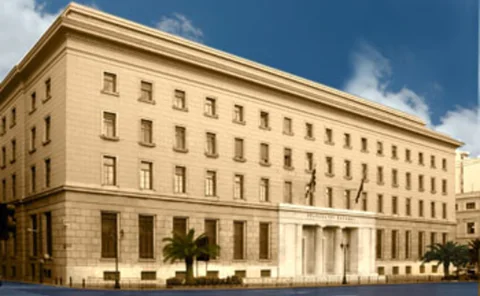
Greek paper raises ‘red flag’ over Emu integration
Researcher from Bank of Greece analyses the impact of the Economic and Monetary Union on financial market integration by assessing its effect on capital holdings

Ukraine calls on IMF help as NBU focuses on financial stability
New government asks IMF and other international lenders for a bail-out; interim president tells central bank staff they must restore public confidence in the banking system
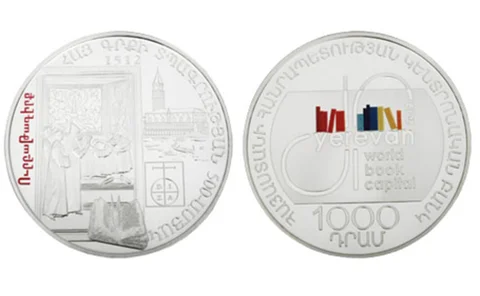
Armenia pips Kazakhstan to coin award
Central Bank of Armenia commemorative coin triumphs over National Bank of Kazakhstan offering in an Italian competition for Best Coin of the Year

Mersch cautiously optimistic on RMB internationalisation
Renminbi internationalisation could bring benefits both to China and outsiders, ECB board member says, if Chinese reforms continue and investors take care

Georgians vote on new currency symbol
National Bank of Georgia has shortlisted five designs in the race to represent the national currency, the lari

Banks could be forced to leave UK if home regulators are found wanting
Draft rules published today by the UK banking supervisor put pressure on non-EEA countries to up supervision of banks that want to do business in London

Europe card fraud up after five-year decline, ECB data show
Growth in online shopping blamed for increase in card payments fraud, which totalled €1.33 billion within the Single Euro Payments Area in 2012 - up 21% on the previous year

Cold comfort for Icesave guarantors
Putative Icelandic government demands on the Landsbanki insolvency estate likely behind UK and Dutch lawsuits

Sweden mulls tighter rules on wholesale forex funding
Group comprising top-ranking decision-makers, including Riksbank governor Stefan Ingves and the minister of financial markets, highlights ‘big risk’ of foreign wholesale funding
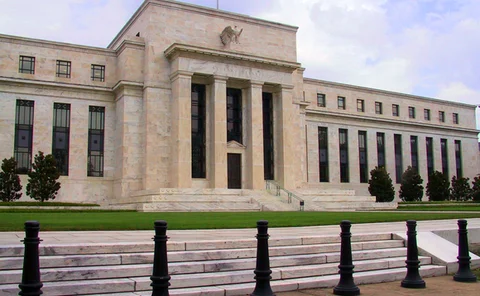
Fed floats ‘advanced approach' for calculating risk weights
Biggest US banks will use new approach to calculate risk-based capital ratios from Q2 2014; changes to stress-test procedures pushed back a year to October 2015
Sepa obstacles have 'not evaporated completely’, warns Finland paper
Bank of Finland researcher finds the advent of the Single Euro Payments Area has not removed all of the barriers to ‘a true domestic products and services market’

Singapore unveils faster payments service
The Association of Banks in Singapore says ‘almost immediate’ payments service for interbank transfers will launch in the middle of the year

IMF praises ‘dramatic’ turnaround in Spanish bank sector
Final report on Spain’s financial sector reform programme says ‘steadfast’ implementation paid dividends, but warns of a number of alarming trends still prevalent in the financial sector

Euribor rate-setting improvement ‘substantial’, say regulators
EBA-Esma report finds European benchmark setter has made ‘significant progress’ towards correcting previous governance failures, but six of 10 areas require further work

Prasarn says Thailand still unsure of CCP viability
Thai governor says emerging markets need more time to assess whether creating central counterparties would bring the ‘intended benefits’ without ‘undue consequences’
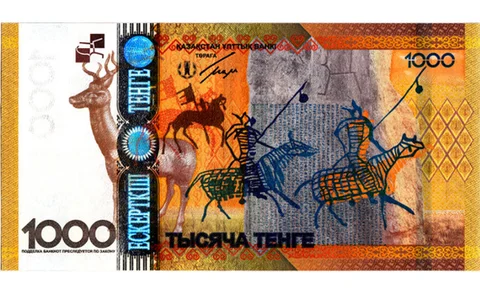
Kazakhstan aims for hat-trick in banknote beauty parade
The International Bank Note Society judges newly issued banknotes on aesthetic and security grounds; Solomon Islands among those aiming to wrest crown from the Kazakhs
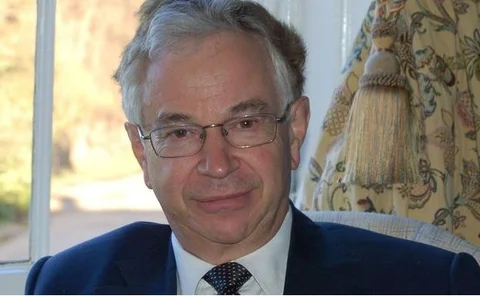
Robert Pringle's Viewpoint: The eurozone’s unfinished business
Economic adjustment and financial sector reform must go hand in hand – with the ECB due to play a central role

Nigerian RTGS joins Swift
The country's adoption of the global payment platform yesterday is expected to improve settlement security and discourage the use of cash payments in the longer term

ECB's Praet defends ‘innovative' OMTs
Redenomination risk premia, as faced by the ECB in the eurozone crisis, was a new challenge for central banks that needed a new solution: outright monetary transactions