
Financial Stability

BoE’s Haldane underscores need for ‘ambidextrous’ policy
Executive director says it is too much to expect ‘one-handed’ policy to keep control of the economy, instead recommending monetary and macro-prudential policy work in tandem

HKMA rebukes UBS over attempts to rig Hibor
Hong Kong central bank finds six traders at UBS tried to influence the bank’s Hibor submissions between 2006 and 2009; demands remedial action
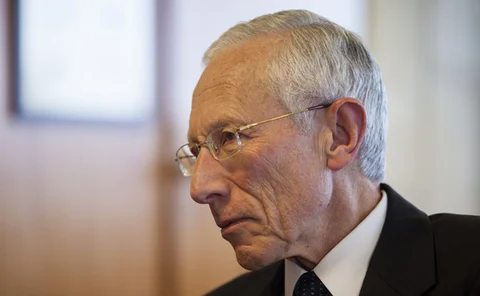
Fed nominee Fischer grilled on Citi ties
Former Bank of Israel governor faces tough questions on ‘revolving door’ between Citigroup and top US government roles; fellow candidates Lael Brainard and Jerome Powell also testify

MAS spearheads Bitcoin exchange regulation
Central bank is one of the first to act on regulating virtual currency exchanges, although controls are limited to money laundering and terrorist financing

Sovereign credit ratings have asymmetric impact, ECB paper finds
Working paper finds market volatility depends on whether the rating was an upgrade or a downgrade; identifies channels of contagion between countries

Nigerian deputy governor moots tax on FDI dividends and capital transfers
Kingsley Moghalu laments emerging markets' ‘Faustian bargain' with short-term portfolio investors; moots explicit measures to stem capital outflows in wake of Fed taper

Riksbank paper examines dynamics of foreign funding by Swedish banks
Study finds currency hedging needs of institutions and companies incentivise Swedish banks to issue securities in foreign currency

Carney pledges to push BoE FX investigations 'all the way'
Bank of England governor Mark Carney pledges to get to the bottom of allegations that UK central bank condoned market manipulation in FX markets

Target2 'filled in' balance of payments gaps during euro crisis, NY Fed paper finds
Federal Reserve Bank of New York study finds adjustment to the pullback of private capital during the euro crisis made less harsh by Target2

Dombret calls for cap on bank loans to sovereigns
Deutsche Bundesbank board member advocates a cap on the amount banks can lend to an individual sovereign, as they should never ‘put all their eggs in one basket’

ECB sets out second phase of asset quality review
The European Central Bank reveals the methodology of its asset quality review and provides guidance for national authorities tasked with executing the inspection

RBA takes next step in opening up payments market
Shake-up of access regimes aims to give more room for competition in the Australian payments market; proposed changes still need amendments to legislation to go ahead

Banks switch strategies way ahead of new regulation, paper finds
ECB working paper studying a set of Finnish banks finds they anticipated Basel II by up to seven years, shifting their credit portfolios in preparation for the new regulatory environment
Nature of shock explains linkages between monetary and macro-pru policies
Riksbank article studies linkages in a dynamic general equilibrium model, where macro-prudential policy is exemplified by a countercyclical capital buffer

BoE launches banknote security app
Bank of England launches an interactive application for use on mobile devices that helps the public identify security features on its banknotes

EU banks fear capital hit from CCP approval delays
For banks to apply a 2% risk-weight, non-EU CCPs must be approved by Esma and their home-country rules by the EC; banks fear that will not happen by June 15 deadline in some cases

World's biggest banks $80bn short of Basel III capital
Results from Basel Committee's latest monitoring exercise of banks' compliance with new regulatory framework shows progress but also some setbacks

Recovery needed to cement lower credit risk at Slovenian banks
Credit and solvency risk in Slovenia down following restructuring of banking system in December

Korea and Indonesia agree $10 billion swap line
Kim Choong-soo and Agus Martowardojo sign an agreement that will allow their central banks to exchange up to $10 billion worth of local currencies

ESRB handbook calls on macro-prudential regulators to overcome ‘inaction bias'
Comprehensive guidance on macro-prudential tools was published yesterday by the European Systemic Risk Board

Serbian central bank sets up overdraft charge comparator
National Bank of Serbia extends comparison services to let consumers compare overdraft facility interest rates in bid to reduce bank charges across the board

Banxico deputy wants 'prudent' deepening of credit markets
Bank penetration in Mexico remains low compared with other emerging markets, but 'prudence is sine qua non' for expanding financial inclusion, says Manuel Sánchez
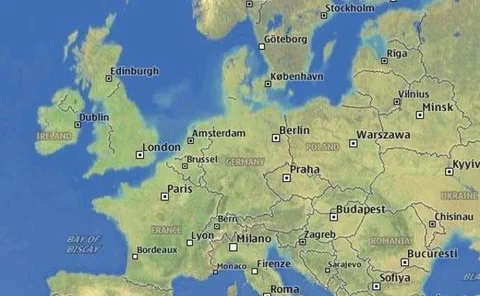
BoE must balance ‘paradox' of more eurozone integration, says Cunliffe
Deputy governor for financial stability says cost of dysfunctional single currency favours ‘inconvenient' eurozone integration

Case-by-case analysis critical in deciding whether to 'lean against the wind'
Fed's Jeremy Stein highlights need to 'dig into the microeconomic details' when deciding what type of regulatory intervention is comparatively more efficient