
Risk

US prime fund swing pricing proposal sparks industry alarm
Some fear SEC rule would repel investors; high liquidity requirements could make funds uneconomic

How to solve the payments privacy paradox
Anonymous CBDC has major drawbacks, but privacy in payments can still work, says Dave Birch

US FSOC zeroes in on climate change
Annual report warns “disorderly” policy changes raise the risk of “sudden and disruptive” effects

FSB finds banks grew faster than non-banks in 2020
Pandemic response contributed to stronger growth in bank and central bank assets, report says
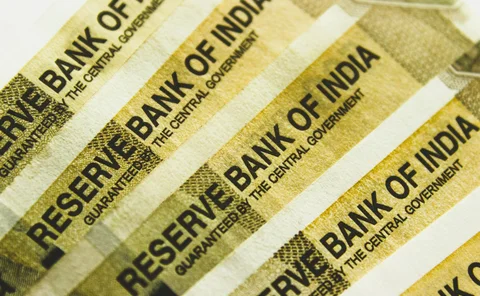
RBI launches action plan to tackle weak non-banks
“Prompt corrective action” framework echoes rules in place for banks

Fed doubles pace of quantitative easing taper
FOMC says recent inflation figures and labour market strength drove the decision

Alternative data fuels central bank research
Important research areas include monetary transmission, exchange rates, digitisation, SMEs and climate change, against the backdrop of Covid

Podcast: Waking up to net zero
BNP’s Jane Ambachtsheer says central banks should not be held solely responsible for achieving net zero, but they have a significant role to play
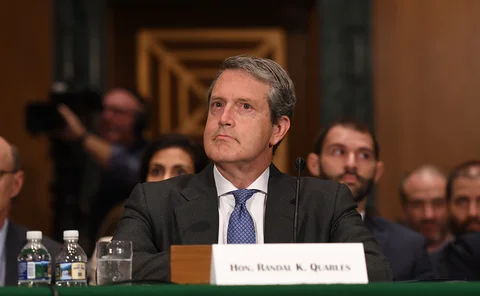
Quarles says Congress should rein in Fed funding
Former vice-chair for supervision calls for new body to wind down liquidity programmes

How Turkey’s president created chaos in economic policy-making
Observers allege presidential domination of the central bank, unauthorised FX transactions and untrustworthy statistics

Podcast: central banks’ data models going granular
Vizor Software’s chief technology officer, Ryan Flood, provides an update on changes to central banks’ regulatory data models

ECB says banks are falling short on climate risk
Actions are “too slow” and no supervised bank is “close” to meeting expectations, central bank says

State Bank of Pakistan hikes interest rate by 150 basis points
IMF reached “staff-level” agreement with Pakistan for long-awaited loan two days after the hike

Digitisation: transforming the role of central banks
With the rapid pace of technological change in global financial markets, central banks are increasingly recognising that many legacy tools, methods and manual processes are inadequate, writes Sachin Somani


ECB warns of ‘pockets of exuberance’ in credit, asset and housing markets
High inflation could have “longer-lasting” effects and weigh on the recovery, says financial stability review
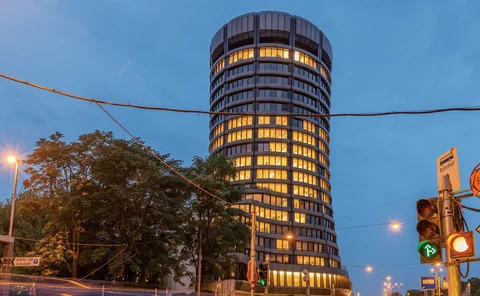
Basel Committee launches principles for climate supervision
Basel framework can accommodate climate risks, but supervisors need guidance, committee says

Vietnam’s central bank warns of high inflation risk in 2022
Governor Nguyen Thi Hong admits bad debts have increased, as banks struggle with impact of Covid


Brazilian governor outlines climate reporting rules
Campos Neto says Brazil’s banks must file climate risk reports from June 2023

BIS paper flags ‘notable gaps’ in CBDC research
Policy work on cross-border CBDCs is “marching beyond the research frontier”, say economists

CBDC issuance should not be rushed, say central bank experts
Officials at Singapore Fintech Festival warn central banks must be alert to risks of CBDCs

EU should demand banks set climate transition plans – Elderson
Officials acknowledge climate risk has become central topic, but say most institutions fail to meet supervisory requirements

MAS embarks on retail CBDC study
But Singapore sees no pressing need for retail central bank digital currency, MAS says