
Asset prices

Falling asset prices 'significantly associated' with onset of G-7 recessions
IMF working paper examining the usefulness of asset prices in predicting recessions in the G-7 countries finds equity price drops are larger and more frequent than house price drops

Wheeler shines a spotlight on housing supply
Reserve Bank of New Zealand governor Graeme Wheeler says restrictions on high loan-to-value mortgages will alleviate house price increases, but the bigger issue is housing supply

Buffett’s ‘greatest hedge fund’ claim puts spotlight on the Fed
Warren Buffett's claim the Fed is ‘the greatest hedge fund in history’ fuels bloated balance sheet and politicisation debate; Fed veteran Gary Stern says 'sage of Omaha’s' comments are ‘misguided’

BIS research dismisses fears over high-quality asset shortage
Article says increase in high-quality assets appears sufficient to meet rising demand, but risks could still come from elsewhere

Temptation preferences can inform asset pricing, Fed researchers find
According to San Francisco Fed paper, self-control preferences have important implications for macroeconomic issues, such as social security reform, income tax reform and asset-pricing issues

San Francisco Fed president warns asset price bubbles are ‘here to stay’
John Williams discredits economic theory on asset price movements; says bubbles are inflated predominantly by expectations of future price increases
Fed minutes ‘significantly affect’ US asset prices
New York Fed economic policy review finds that US asset price volatility increases when the Fed releases minutes from policy meetings, but less so since FOMC has become more transparent

NY Fed staff say effect of policy changes depend on risk environment
New staff report argues that macro policy announcements affect asset prices to different extents depending on the existing economic outlook; when risk is elevated, the impact is reduced
IMF paper finds less tail risk in immediate aftermath of QE
IMF working paper finds ‘strong evidence' that unconventional monetary policy led to a reduction in market uncertainty, in turn contributing to an easing in financial conditions
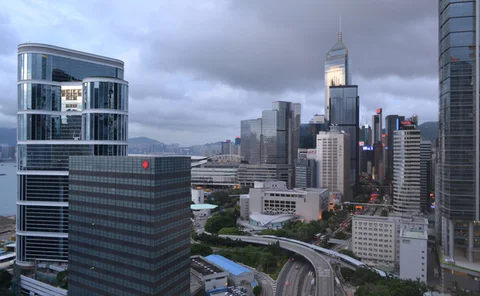
HKMA deputy says QE taper to bring ‘immense shocks' to markets
Eddie Yue slams advanced economies' ‘unprecedented' accommodative monetary policy for creating global imbalances and fuelling Hong Kong asset prices

Bank of Mexico paper backs credit multiplier as amplification mechanism in DSGE
Working paper finds that credit multipliers do produce the amplification effects expected of them in a DSGE model and are not failing as some suggest
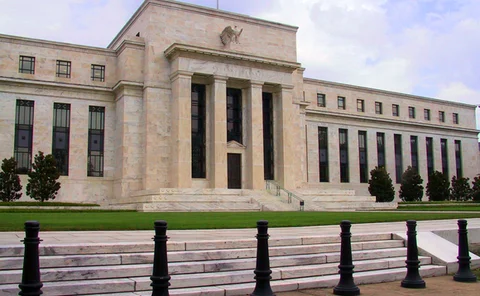
Fed research digs deeper into operation of QE
Working paper looks at the composition of investors selling assets in the Federal Reserve’s quantitative easing programmes, finding evidence for a ‘preferred habitat’ theory of transmission

Bernanke outlines Fed's ‘intensified' monitoring of financial system
Focus is on Sifis, shadow banking, asset markets, and the non-financial sector, according to the chairman of the Federal Reserve

ECB researcher views liquidity shocks through enhanced DGE lens
Model aims to more accurately capture equity premia, finding that this amplifies liquidity shocks and explains a ‘significant fraction’ of business cycle fluctuations

Canadian study links financial development and income volatility
Working paper finds financial development can dampen the impact of technological shocks on the economy

BoJ boosts easing amid mounting political pressure
Policy board votes to increase asset purchases by ¥10 trillion ($119 billion); close proximity to election raises questions of political influence in decision

French research says monetary policy can offset herding
Banque de France working paper says interest rate hikes can be used to eliminate asset price bubbles caused by investor herding behaviour

QE ‘relief’ no substitute for deleveraging, says HKMA’s Chan
HKMA chief executive warns asset price growth must be supported by structural developments

ECB paper highlights locational importance of asset bubbles
Working paper finds asset bubbles have differing effects on the economy depending on whether they are located with banks or ordinary savers, with implications for macro-prudential policy
Emerging market bonds behaving as safe assets, says BIS paper
Local government bond yields in emerging market economies have contracted as global risk sentiment worsens, study suggests
BoJ mirrors BoE’s FLS and steps up easing
Bank of Japan launches scheme with similarities to Bank of England’s funding for lending and steps up the size of its asset purchase programme by $138 billion

Early-warning indicators useful in emerging markets, says Finland paper
Bank of Finland study applies advanced economies' asset price indicators to emerging markets, saying they can be effective with only slight adjustment
BoJ expands asset purchase programme
Japanese policy board votes to increase purchases of government bonds and treasury bills; Bank of Mauritius governor highlights risk to central bank reserves from further asset purchases
Concerns raised over impact of Fed’s QE3
Federal Reserve to purchase $40 billion of mortgage-backed securities each month until US economy improves; doubts arise over effectiveness of the policy despite positive market response