
Central Banking Journal
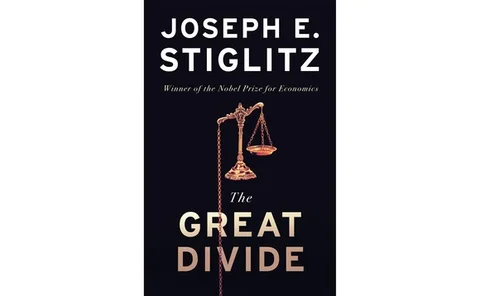
Book notes: The Great Divide, by Joseph E Stiglitz
Stiglitz’s new book argues that deregulation was an important cause of the recent banking crisis

Book notes: Efficiently Inefficient: How Smart Money Invests and Market Prices are Determined, by Lasse Heje Pedersen
A book that offers a condensed picture of hedge funds’ operations and strategies, written by a person with considerable academic and practical experience

Book notes: The Lion Wakes: A Modern History of HSBC, by Richard Roberts and David Kynaston
A weighty tome, commissioned by HSBC to commemorate its 150th anniversary

Book notes: Money and Trade Wars in Interwar Europe, by Alessandro Roselli
Alessandro Roselli’s book on interwar Europe should be compulsory reading for all those who are handling or interested in the current crisis in the euro area

Questions of credibility in the Eurozone and China
The ECB's credibility was once more called into question over the handling of Greek debt negotiations; positive signs from China amid equity market chaos

Greek lessons for central banks acting as lenders of last resort
Is it appropriate for a central bank that also acts as lead financial supervisor to act as a lender of last resort at a time when its actions are becoming quasi-fiscal in nature? By Ludek Niedermayer

Radical rethink of central banking is still possible
Bank of Canada governor Stephen Poloz's call for central banking to be "reinvented" is a timely reminder that others need to heed

Jacques de Larosière on the international monetary system and the euro
Christopher Jeffery speaks to former IMF managing director Jacques de Larosière about continuing efforts to restore the global financial system and where the future now lies for Europe

Andrew Sheng: The new politics of central banking
Extraordinary policy actions by the world’s leading central banks have left them politicised and entangled in an increasingly awkward operating environment

Former IMF chief weighs up benefits and costs of QE
Quantitative easing is having a profound effect on markets and banking. Jacques de Larosière weighs up some of the benefits and costs of QE

Five problems with floating rate exchange regimes
Robert Aliber bemoans the dangers of sharp moves in major currencies that are the result of floating rate currency regimes, and answers five rhetorical questions related to monetary stability

Shadow banking risks ebbing in China
China has the world’s third-largest shadow-banking sector, but the risks it poses to the overall financial system are overstated, especially following moves by the State Council

Devising effective data strategies to help inform policy decisions
The publication of the Irving Fisher Committee’s report on good data practices offers the potential for powerful data sharing, but more work needs to be done at the tactical and practical levels

Central banks face weight of expectations in sub-Saharan Africa
The art of central banking has changed dramatically in frontier markets. Monetary policy, financial regulation, capital flows and exchange rate are now centre stage, writes Louis Kasekende

Central bank liquidity surge is not without historical precedent
Major central banks have injected $14 trillion of liquidity into the global economic system, but such surges are not without historical precedent

Assessing the value of financial stability reports
More than 90 central banks now produce financial stability reports. Emrah Uslu and Eyup Kahveci look at the various approaches they take as well as appraising their usefulness.
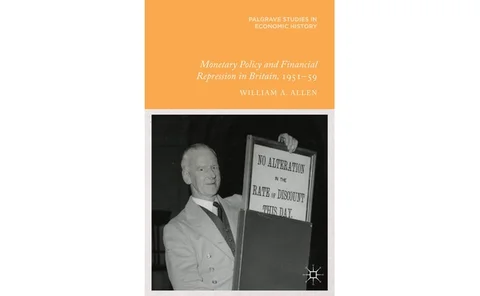
Book notes: Monetary policy and financial repression in Britain 1951–1959, by William A Allen
A fascinating and coherent account of British monetary policy in the 1950s

Book notes: Smart Money, by Andrew Palmer
An important attempt to show how financial innovation is “reshaping our world for the better” all the more important
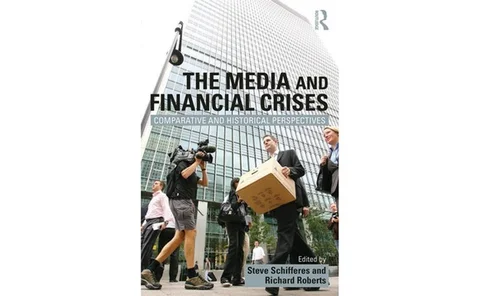
Book notes: The media and financial crises, by Steve Schifferes and Richard Roberts
A fascinating book, which gives a very different perspective on the financial crisis and its predecessors

Book notes: Hall of mirrors, by Barry Eichengreen
A scholarly, but readable narrative that interleaves an account of the build-up to and course of the Great Depression with the similar course of events in the Global Financial Crisis

The RMB and the SDR review 2015
Yide Qiao and Jiafei Ge present a case for the renminbi joining the ranks of the US dollar, euro, sterling and yen in the IMF’s SDR basket, when the constituents are reviewed later this year

Central banks are on the losing side of government pacts
Quantitative easing by the ECB and the Bank of Japan brought market cheer. But, absent meaningful structural reform, is miring central banks deeper into an ever-more dangerous policy cycle.

Justin Lin on China, economic growth and the international monetary system
Former World Bank chief economist on why a multiple currency system could increase monetary instability, China should be wary of full capital reform and infrastructure investment will boost growth

Reviving the faltering euro economy
There are three options to address Europe’s core problem: real differences in production costs. None of them involve asset purchases by the European Central Bank, writes Allan Meltzer