
Central Banking Journal

National Bank of Ukraine's Sergei Arbuzov on economic development
Sergei Arbuzov, governor of the National Bank of Ukraine, talks to Catherine Snowdon about past mistakes by the government and how the country is working to develop its economy

The flaws in the Fed's new macro stress test proposals
New macro stress test proposals by the Fed and ECB appear to conflict with rules put forward by the UK, and are raising concern in countries where financial institutions are relatively robust
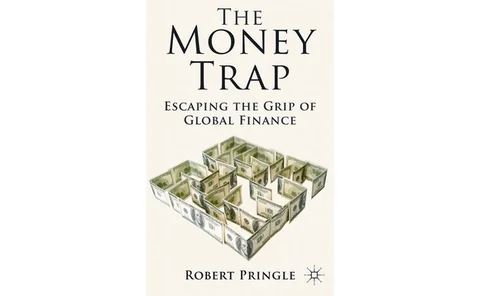
Book notes: The Money Trap
Robert Pringle’s new book is driven by a sense of missionary zeal

Book notes: End This Depression Now!
One of the rock stars of economics has written another hit

Book notes: Lionel Robbins
A biography of a 20th century British economist

Book notes: Keynes Hayek: The Clash that Defined Modern Economics
Is it possible to reflect on modern economics, leaving rigorous academic analytical procedure aside? Nicolas Wapshott believes it is
McCafferty to replace Posen on BoE’s Monetary Policy Committee
UK Treasury names CBI economics adviser, Ian McCafferty, to replace Adam Posen on the Bank of England’s monetary policy board

Sveriges Riksbank’s Stefan Ingves on banking crises and regulation
Stefan Ingves talks to Christopher Jeffery about the benefits of national regulation, the need for swift action in dealing with troubled banks and why he is against a Tobin tax in Europe

Designing a new global financial architecture
Developing a financial architecture for the future requires substantial thought about international capital flows and the role of institutional investors. By Bernd Braasch

Robert Shiller on central banks and their role in a good society
Through co-ordinated action central banks have played a vital role in avoiding financial armageddon. But Robert Shiller tells Christopher Jeffery that more joined-up thinking is required

System risk lessons from FX loans in Central and Eastern Europe
The build-up of forex loans in the CEE presented a systemic challenge to the region's financial stability. Piotr J Szpunar argues this points to a need for macro-prudential rules in Europe

Germany’s political elite treads tightrope of public opinion on euro
Citizens of Europe’s most powerful economy have never had a real affection for the euro, making Germany’s role in resolving the continent’s debt crisis extremely tricky. By Norbert Walter

Berlin and the Bundesbank in spat over IMF
The Bundesbank has played a pivotal role in building Germany’s reputation as defender of monetary discipline at the IMF. But Berlin’s efforts to bail out Greece have damaged this reputation

Renminbi to shake up the reserves management status quo
China is unlikely to fully liberalise its currency controls during the next five years. But this does not look set to prevent the renminbi from achieving full reserve currency status. By Gary Smith

Reserve Bank of India threatened by government’s economic policies
The Reserve Bank of India had a ‘good crisis’ and has earned a strong reputation for integrity and pragmatism during the past 15 years. But its efforts are threatened by current economic policy
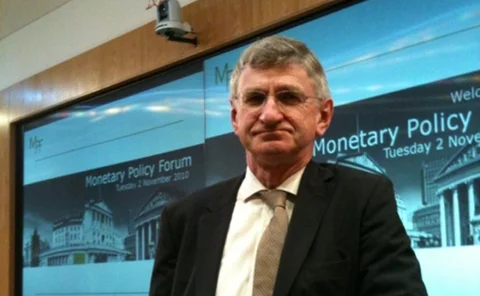
Collateral eligibility: the ultimate macro-prudential policy weapon?
The most potent policy weapon at the disposal of central banks when it comes to fulfilling macro-prudential supervision are asset eligibility rules, says William Allen

A sovereign wealth case study from Ghana
Ghana decided to join the ranks of countries with a sovereign wealth fund after the country discovered oil in 2010. Efi Chalamish and Steve Opata describe how the fund operates

Book notes: Soft Law and the Global Financial System
An explanation of the role of international standards in regulating the global financial system


Fed's Duke calls for focus on community projects in US
Elizabeth Duke highlights benefit to financial sector of engaging in community regeneration projects

Macro-prudential powers are no panacea
Central banks will take on substantial new macro-prudential supervisory powers in the years ahead. But this is a dangerous experiment, and a step in the wrong direction

HKMA head Norman Chan on bank regulation and the renminbi
Chief executive tells Christopher Jeffery that central bankers need to be proactive in dealing with asset bubbles. He also explains Hong Kong’s role in the renminbi's internationalisation