
International

Marshall Islands readies to make waves in digital currency
Island nation ready to issue blockchain-based national currency if its new government gives the go-ahead, chairman of foundation says

Bankruptcies could trigger ‘protracted’ unemployment – BIS research
Reallocating resources quickly will help reduce the pain of adjustment, economists say

Covid-19 may survive 28 days on banknotes and payment cards
New research suggests virus can survive for an extended period of time at room temperature

Counterfeits rise with issuance on multiple substrates
Average percentage of counterfeits per total volume in circulation is around 0.01%

Banking sector resilience ‘likely to be tested’ – IMF’s Adrian
Fund’s stability report says vulnerabilities are high and rising, creating difficult policy choices

IMF warns of permanent economic damage from Covid-19
Pandemic could pitch 90 million people back into extreme poverty, fund says in new economic outlook

Samuel Brittan (1933–2020): A master of his trade
Robert Pringle looks back at the life of Samuel Brittan, the economic journalist and adviser to Central Banking

FSB unveils ‘comprehensive plan’ to reform global payments
“Roadmap” for cross-border payments to be considered by G20 leaders this week

Book notes: Money, by Geoffrey Ingham
The incompatible theories of money: Ingham reveals the fundamental clash of ideas that shape the environment in which all central banks operate

Milgrom and Wilson share economics Nobel Prize
Auction theorists win this year’s prize for discoveries “of great benefit to society”

FSB weighs impact of growing big tech dominance
Big tech offers benefits but is also using its clout to gain significant market power, FSB says

Carstens warns QE strengthens ‘fiscal-monetary nexus’
BIS chief warns central banks over using up “credibility capital” by their Covid-9 responses

G-7 central banks agree CBDC principles
BIS joins with leading central banks to set out principles for deciding to issue CBDCs
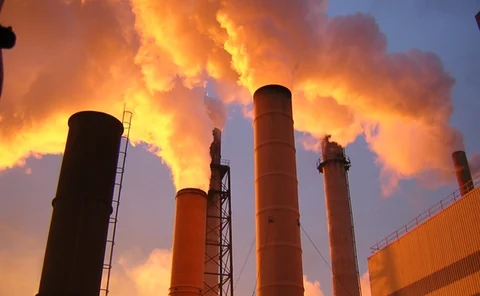
Carbon tax could help monetary policy – ECB paper
But tax will only improve welfare if alternatives to carbon-based power are available, say researchers

IMF staff warn ‘exceptional’ demand for funds likely to continue
Executive directors agree to extend debt relief and higher borrowing limits, but further support relies on political backing

IEO calls for IMF to rethink house view on capital controls
Independent review says 2012 reform was helpful but still suffers from shortcomings

Global fraud framework needed as digital transactions rise – report
Covid-19 has forced consumers to trust new payment methods, but it could come at a cost

Beyond climate: addressing the ‘E’ in ESG
Environmental degradation raises fundamental questions about how central banks think about risk; efforts to expand focus beyond climate risks now under way
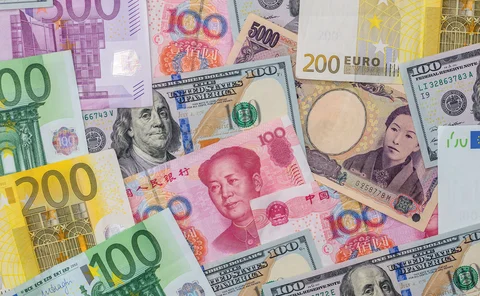
Global banknote developments before and after Covid-19
Antti Heinonen looks at how the pandemic triggered sharp changes in demand for cash

World faces systemic debt crisis, IMF warns
IMF calls for urgent reforms and Japanese finance minister criticises China over debt agreement

BIS’s Borio: natural rate puts central banks in ‘straitjacket’
Official urges policy-makers to take “broader view” of the costs and benefits of monetary policy

Central bank research may be biased by career concerns, paper finds
Central bankers are more likely to be promoted if they find QE is effective, study shows
BIS paper explores impact of sterilised FX interventions
Authors say economic and financial stability implications of intervention have been understudied

State regulators could lead on CFTC climate risk plans
Sympathetic rulemakers don’t need to wait for a change of federal government, say experts