
International Monetary Fund (IMF)

IMF paper discerns East African transmission mechanisms
Transmission mechanism ‘functions best' when signals are clear and the monetary regime simple and coherent; non-monetary factors are ‘main drivers' of macroeconomic outcomes in examined countries

IMF's Lagarde backs Fed over asset purchases
The IMF’s managing director believes the Fed should take a 'gradual' approach to reversing its asset purchases and rate cuts; stresses the importance of unemployment figures

Scandinavians open macro-pru toolbox to cool overheated housing markets
Rising property prices, increasing household debt and towering banking sectors are pushing Norway, Sweden, and Denmark to consider unconventional measures to pre-empt a crash

IMF greenlights new wave of funds for ‘resolute' Cyprus
New IMF report says most conditions have been met with a ‘comfortable margin' but warns that the banking crisis' impact on households and corporates could be larger than anticipated

Robert Pringle’s Viewpoint: Looking for a game-changer for the financial system
The world may need to look to central bank governors in countries such as China and India to champion reform of the global monetary architecture

Africa leads growth in financial inclusion, finds IMF study
Most comprehensive financial inclusion data set to date highlights rapid expansion of financial access in Africa; emphasises close links between growth and SMEs' access to finance

IMF backs counter-cyclical fiscal activism in times of crisis
Fiscal stimulus had powerful effects in the wake of the financial crisis, but monetary policy is better suited to keeping the economy on an even keel in normal times, says IMF

Eurozone inflation and output do move in step, says IMF working paper
Researchers argue co-movement of inflation and output is observable in the eurozone at ‘business cycle frequencies', confirming New Keynesian models to demand shocks

IMF report highlights macro-prudential challenges
Kohn and Viñals talk of key role for central banks in macro-prudential framework; report singles out challenges faced by national authorities in setting up macro-prudential policy frameworks
IMF paper says ageing populations are dampening impact of monetary policy
Working paper says monetary policy is becoming less effective in advanced economies undergoing demographic shift; calls for policy-makers to adapt
G-20 leaders vow co-operation to avoid monetary policy spillover
St Petersburg summit sees IMF concede advanced economies are now the major engines of global growth; European banking union is a top priority in the G-20's joint ‘action plan'

Riksbank holds rates as IMF sees ‘sizeable' risks at Swedish banks
Interest rates held at 1% as Swedish central bank attempts to support growth without adding to household debt stock; IMF Article IV report frets over large and vulnerable financial system

IMF paper considers impact of China’s capital account liberalisation
Researchers suggest that reduced capital control will likely lead to net outflows from equity and bond markets as domestic investors look to diversify

IMF paper finds less tail risk in immediate aftermath of QE
IMF working paper finds ‘strong evidence' that unconventional monetary policy led to a reduction in market uncertainty, in turn contributing to an easing in financial conditions
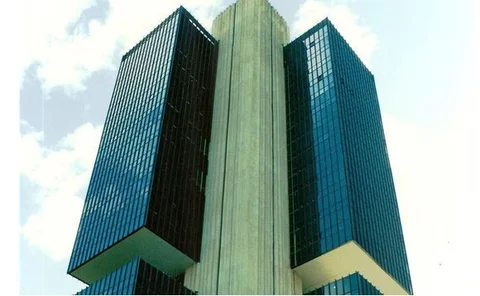
Bank of Brazil hikes rates for the fourth time in as many months
Brazilian central bank deploys primary monetary policy weapon in a bid to hold back inflation and open another front to support the real, following intervention in the currency markets

Adherence to Islamic financing principles could benefit credit unions
Islamic savings products would make institutions more resilient, and possibly strengthen incentives for good governance, IMF working paper argues
Lagarde tells central bankers not to 'rush to exit' on QE
Speaking at Jackson Hole, the head of the IMF said unconventional monetary policies were "still needed in all places it is being used" and that it was unclear what "exit" actually implied

Capital flows are 'fickle' and always have been, paper finds
Capital flow volatility is a fact of life for all economies at all points in time, say IMF researchers, who point out that bigger advanced economies are best placed to deal with ebb and flow
Employment losses have repaired corporate balance sheets, paper argues
Differences in post-crisis employment among EU members are largely driven by need in many countries to adjust balance sheets, according to IMF working paper

Mozambique cuts rates again as inflation undershoots target range
Inflation in Mozambique has fallen below the central bank's target range despite IMF predictions to the contrary; measures in place to improve monetary policy transmission

The Bretton Woods transcripts: debate about the World Bank and the BIS
Andrew Rosenberg highlights the secondary importance of negotiations to create the World Bank and cover ‘other discussions’ as well as Norway’s objections to having the BIS once the IMF was founded

IMF shuts up shop in Budapest as Hungary clears its debt
Central Bank of Hungary repays remainder of its €1.44 billion loan ahead of schedule; IMF’s Budapest office will close at the end of August as part of ‘a message to voters’
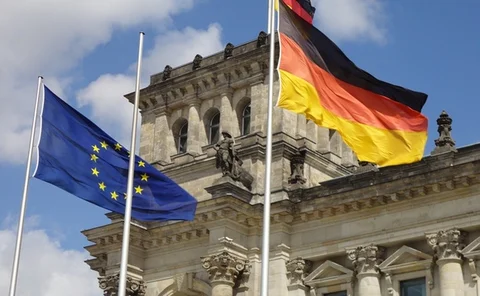
IMF reports show French and German banking sectors are key to European stability
IMF urges France to do away with tax disincentives to deposits in an effort to broaden banks' funding sources; emphasises Germany's role in forging a robust eurozone financial architecture

BoJ on target as IMF urges Abe to loose his other arrows
IMF says fiscal and structural reforms are necessary to create ‘durable’ increase in inflation; encourages Bank of Japan to begin internal discussions over its exit plan