
Macro-prudential

Implementation of new ECB rules on NPLs may be delayed
Daniele Nouy dismisses criticisms as “myths and misinterpretations”

Large Danish banks fail stress test in 'severe recession' scenario
Central bank warns low rates, higher house prices and stronger growth are building up risk

RBNZ eases housing market restrictions
New government’s policies should “dampen” housing market pressures, acting governor says

Solomon Islands central bank in contingency planning push
Central bank asks financial institutions to establish boards for crisis management
Banks hit back at RBNZ macro-prudential proposal
RBNZ’s proposed debt-to-income limits criticised by commercial banks, which question methodology and claim measure would increase financial instability

FSB unveils latest G-Sib list
One bank joins and other drops off the list of the world’s most systemically important firms

Fernando Restoy looks to realign Basel’s FSI
The Financial Stability Institute chair discusses the prospects for implementing Basel III, the challenging political context and the FSI’s role in it all

RBNZ seeks liquidity and stability with new mortgage bond standard
New Zealand central bank hopes standard will support market liquidity and improve its own risk position

ECB criticises banks’ Brexit plans
Central bank stresses institutions need to have meaningful operations in the eurozone

Bank of Spain inspector denounces supervision interference
Supervisors consider essential the creation of a body to safeguard their independence

Kuwait could create financial stability committee – IMF
The central bank could strengthen supervision by creating a new committee, say IMF staff; the country is weathering oil shocks well

Book notes: The Right Balance for Banks, by William Cline
An interesting analysis of optimal capital requirements for G-Sibs, examining whether Basel III requirements will be enough to stem another financial crisis
ECB’s Nouy urges banks to complete Brexit plans
Almost 50 banks have approached supervisor to assess their options

Fed’s Quarles wants more transparent and simple financial supervision
Vice-chairman stresses importance of clearly conveying objectives of regulation and supervision

Former BoE economist proposes new regulatory approach
Panellists discuss whether post-crisis regulation has gone too far, asking whether banks need the extra capital

BoE’s Taylor pushes back against complaints of over-regulation
Capital requirements could have been made much tougher, and the FPC strives to achieve balance and accountability, Martin Taylor says
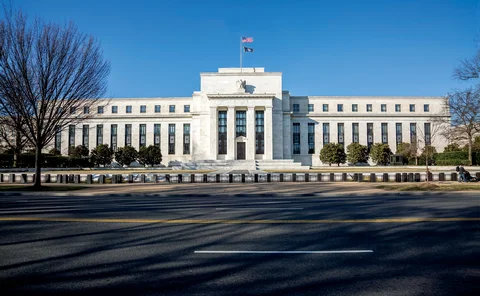
Dudley: use ‘paring knife not meat cleaver’ on Dodd-Frank
New York Fed president accepts that some elements of Dodd-Frank could be improved, but also says vulnerabilities remain

High debt threatens financial stability in Norway, central bank says
Household debt ratios and rising property prices are the two main vulnerabilities for the system

‘Black box’ AI could pose macro risks – FSB
Rise of artificial intelligence in finance may promote efficiency, but it can be hard to tell where the dangers lie, report finds

BIS paper surveys financial shocks in Latin America
Authors study the most effective policy response to financial shocks in different countries

Internal capital reallocation matters, BIS paper finds
Authors model response of a bank to tightening capital constraints, shedding light on how banks may respond to changes in their environment

Brazil loosens prudential regulations for non-banks
Small non-banks’ regulatory processes will be made cheaper under new legislation, while capital requirements will be reduced

European financial system is bigger and more concentrated, ECB says
NPLs have declined, but remain high in Cyprus, Greece, Italy and Portugal

BoE paper examines regulation spillover effects
Case study analyses effect of Spanish balance sheet regulation on Mexico’s economy, showing housing credit contracted