
Central Banks
Robert Pringle’s Viewpoint: Coping with capital flows
All nations face major challenges dealing with capital flows. In the absence of systemic reform to monetary and exchange rate systems, central banks will need to patch and mend where they can
Public satisfaction with Bank of England at post-crisis high
'Net satisfaction' with the way the Bank of England sets monetary policy was 31% in May, poll shows; results reflect improving economic outlook
Lagarde says Yellen should double FOMC press conference frequency
IMF chief says clear communication is needed to dispel market uncertainty over US interest rate lift-off; also calls on FOMC to publish quarterly monetary policy reports

Banque de France paper quantifies impact of EBA capital exercise on lending
Banque de France working paper examines lending behaviour of banks subjected to the recapitalisation exercise ran by the European Banking Authority in 2011–12

Poland governor Belka's comments cause political storm
Conversation from last summer shows NBP governor called for finance minister to be replaced, and made disparaging remarks about colleagues on the MPC
MAS to offer overnight renminbi liquidity
Monetary Authority of Singapore says it will launch an overnight liquidity facility for Chinese currency in July; latest step in growth of offshore market
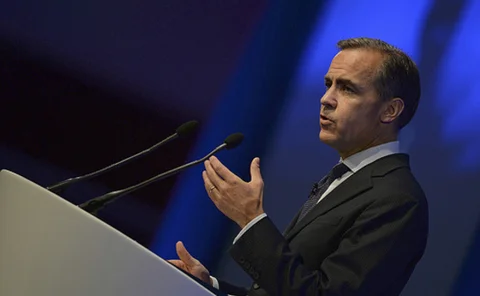
Carney leads central bankers in open mouth operations
ECB policy-makers make the most speeches by far, but a broader trend towards more frequent communication is confirmed by CentralBanking.com research

Poloz warns of household vulnerabilities in Canada's financial sector
Bank of Canada governor Stephen Poloz says enhanced framework to highlight vulnerabilities shows household debt and housing lending are areas of concern

Bank of England given far-reaching macro-prudential powers over housing
UK chancellor unveils ‘big new steps' that will allow BoE to cap loan-to-value and loan-to-income ratios on mortgages; Carney ‘applauds' decision

Stanley Fischer confirmed as Fed vice chair, as Brainard joins the board
Lael Brainard passes Senate vote to become newest member on Fed board of governors; expected to be sworn in before FOMC meeting on Tuesday

Romania governor calls for early entry into Banking Union
Romania will be affected by Banking Union either way, argues governor Mugur Isărescu, so would be better off inside rather than outside

Weidmann says sovereign bond purchases are ‘sweet poison’ for governments
Deutsche Bundesbank president Jens Weidmann outlines his concerns about sovereign bond purchases, saying central banks face ‘being dragged and driven’ by fiscal policy

Philippines tailors stress tests to real estate exposures
Central Bank of the Philippines approves new prudential guidelines to incorporate in bank stress tests; insists they are preferable to ‘absolute limits’ on real estate exposures

Australian sovereign wealth fund appoints new head
Chief investment officer David Neal picked to head up the management company behind Australia's $90 billion Future Fund

Belgians call for ‘strong co-ordination’ to hold EU prudential regime together
Article in National Bank of Belgium's financial stability review evaluates the institutional structures that will influence macro-prudential policy in Europe

MPCs can make good decisions despite economic uncertainty, says Israel's Flug
Israel governor stresses the need for up-to-date forecasts and 'broad range of indicators' when conducting monetary policy
Turkey's central bank board removes five executives
The bank has yet to comment publicly on the reshuffle, which a spokesperson says is not a matter of public concern

IMF researchers map out countries’ macro-financial risks
Working paper presents a framework for linking the various aspects of the IMF’s surveillance, and a tool for mapping out the various conditions in each member state

ECB argues risk of deflation is 'remote'
Monthly bulletin sets out criteria for what the European Central Bank considers deflation, as opposed to ‘subdued price developments of a less malign nature’

Bank of Ghana admits monetising government debt
Central bank offers relief as investor flight drives sovereign bond yields to spike; ‘printing money to finance the deficit' will cause inflation and currency depreciation, Fitch warns

Serbia's slowing dinarisation expects boost from subsidised loan programme
A programme offering cheap dinar-denominated loans to the corporate sector should see use of the national currency bounce back, Serbia's central bank hopes

New Zealand hikes OCR again; Indonesia and South Korea hold firm
Reserve Bank of New Zealand raises its key rate for the third time in 2014; Bank Indonesia and Bank of Korea hold policy despite above- and below-target inflation respectively

IMF launches global house price observatory to 'nudge' prudential policy-makers
Fund sets up website to help countries keep track of and compare housing sector developments and prompt them into ‘early action' on booms and busts

Fed's communication on tapering ‘careless and whimsical', says new BoE deputy
Ben Broadbent, incoming deputy governor for monetary policy, says the Bank of England is likely to provide ‘disciplined' guidance on asset sales