
Reserves
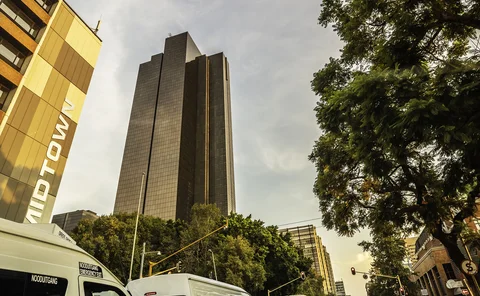
Zafar Parker on 25 years of reserve management at the Sarb
Amid evolving risk, the head of financial markets talks about the journey to excess balance transfers to the government as South Africa’s reserves rose from $20bn to $80bn
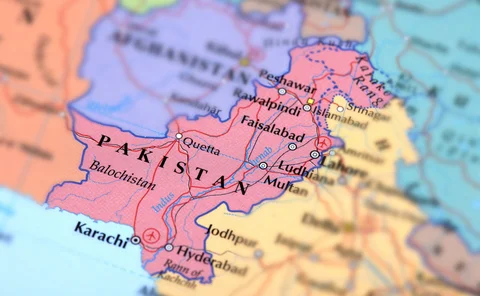
Pakistan’s central bank receives $1.3bn in IMF assistance
Fund says authorities need to maintain strong macro policies and accelerate reform efforts
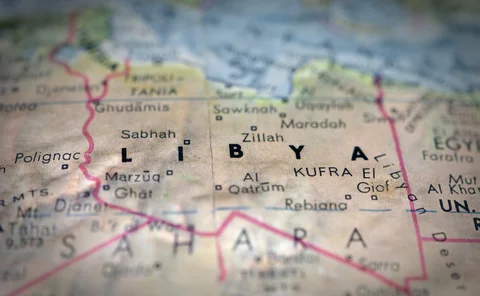
Libya governor calls for clampdown on parallel FX market
Call is likely to be linked to central bank’s recent sale of cash dollars, expert says

Geopolitical shifts and the evolution of reserve management: adapting to a new reality
How great power rivalry affects central bank portfolios by the Central Bank of Brazil’s Ricardo da Costa Martinelli
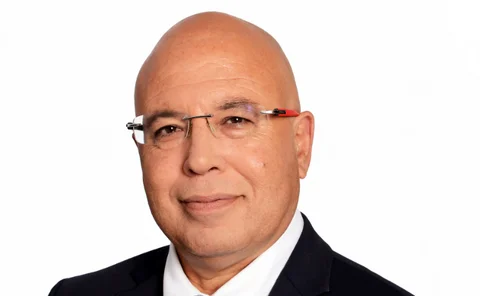
Israel’s Golan Benita on reserve management amidst the AI boom
The head of market operations at the Bank of Israel discusses a shift to active equities to address ‘Mag7’ risks, the rationale for extending duration, and his critical view of crypto and gold
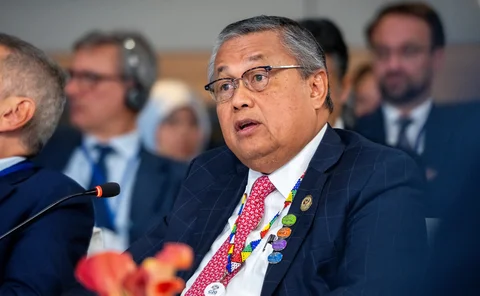
Indonesia going ‘all out’ to prop up rupiah, governor says
Warjiyo says it is ‘not business as usual’ following $1.7bn outflows from foreign portfolio in Q1

Angola’s central bank sells $105m of FX to airlines
Bulk of sales took place in April and coincided with soaring jet fuel prices

Japan suspected to have intervened again after yen jumps
Experts say currency would not automatically lose free-floating status with further FX interventions

Trends in reserve management 2026: survey results
101 central banks, responsible for $9.5trn+ reserves, reveal exclusive data on FX interventions, if the US dollar is still seen as a safe-haven currency and approaches to investing in 20+ currencies

Romania spends €2.1bn to stabilise leu as government falls
Central bank’s reserves went from €67bn in March to €64.9bn in April

Japan’s government reportedly intervenes in FX market
First intervention in nearly two years after yen fell to weakest level since July 2024

Geopolitics voted top risk among reserve managers
Reserve Management Trends survey finds preparations made in peacetime are being put to the test
FX interventions are about smoothing volatility – panel
Speakers at Central Banking Meetings also discussed reserve composition and transparency

Central banks face ‘double whammy’ from Iran war
Policy-makers will have to tackle impact of higher inflation and greater fiscal stimulus

Iran war has triggered ‘peak’ FX volatility, say reserve managers
Officials tell Central Banking Meetings that oil supply shock is on its way

Banque de France made €11bn by ‘bringing gold up to standard’
Exchanging lower-quality NY bullion for higher-spec European bars led to ‘exceptional’ capital gain

Alexander Khazaradze on the NBG’s direct investments into CNY
Georgian central bank’s financial markets head speaks with Levente Koroes about the decision to invest up to 5% of its foreign exchange reserves in the onshore renminbi market

Reserve managers weigh tactical response to Middle East conflict
Some make case for ‘nimble’ duration management, but others say uncertainty is too high

Dollar still ‘special’ but Treasuries losing shine – NBER paper
Authors show ‘strong divergence’ between global roles of greenback and US government bonds

RBI battles to shore up rupee as currency hits all-time lows
Central bank deploys directive against lenders after FX reserves fall below $700bn
PBoC reserve ratio cut spurs short-term FX hedging
Removal of 20% forex risk rule drives exporters towards options and onshore forwards

BoT concerned about baht overvaluation, minutes show
February policy meeting discussed need to ‘closely monitor’ currency’s movements

Asian central banks monitoring FX volatility amid oil shocks
Indonesia, Singapore and India look to manage inflationary pressures from war in Middle East