
Stress tests

ESRB models long-lasting EU recession for stress tests
Tougher adverse scenario adopted because EU is “at an advanced stage of the financial cycle”

ECB reveals large banks’ individual capital requirements
Enria warns banks to improve profitability, saying “challenging environment” will not change soon

Pension funds suffer in latest round of Eiopa stress-testing
Only 30% of funds have policies in place to mitigate ESG risk; low interest rates continue to pose a problem for funds across Europe

BoE to test banks on climate risks over 30-year horizon
Unusual stress-test design reflects long horizon and interlinked risks posed by climate change
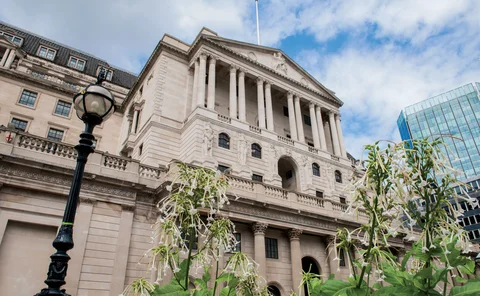
Leveraged lending creates challenges in UK stress tests
On some assumptions, banks would fail the tests; BoE to alter capital framework
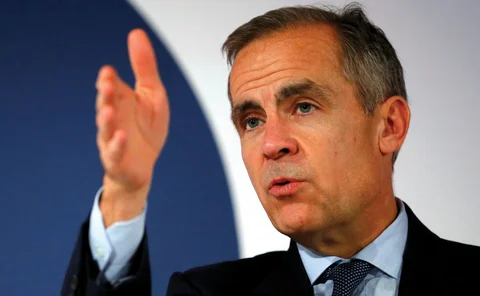
BoE climate stress tests results to be shared with NGFS
Carney says tests will highlight firms that are not implementing appropriate policies
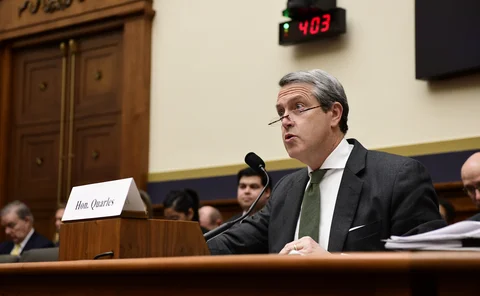
Fed’s supervision may have added to repo turmoil, Quarles says
Republican lawmaker concerned for financial stability if “bad regulation” is driving monetary policy

MAS urges vigilance amid rising risks
MAS flags leverage risk in businesses tied to trade and property, as risks to global financial stability rise

IMF chief calls for climate-related stress tests
Fund will work more closely with central banks to tackle climate risks, Kristalina Georgieva says
Enria proposes more change for eurozone stress tests
New framework would include macro view, but will not be ready until 2022, says chief ECB supervisor

Mester calls for cyber stress-testing in US
Adopting or adapting practices like the Bank of England’s would be worthwhile, she says

Cleveland Fed paper examines stress tests’ impact on lending
Some banks cut back on business lending, but community banks take up the slack, paper finds

US Democratic senators call for Fed to act on climate change
Fed has been “ignoring” financial risks of climate change, Democratic senator says
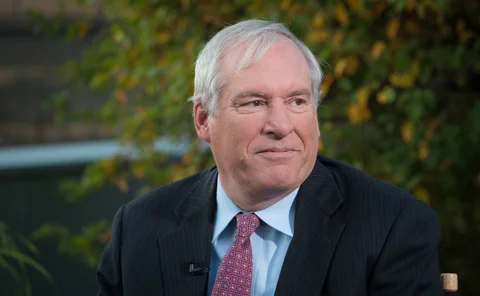
Policy-makers must re-examine financial stability tools – Fed official
Capital regulations may not reflect increased risks from low-rate environment, Rosengren says
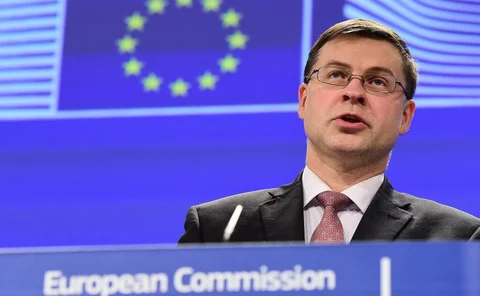
European Commission mulls climate risk regulation
New green finance strategy could include new climate stress tests – Dombrovskis

Stronger micro-prudential oversight needed on climate change – Mexican deputy
Financial firms should incorporate environmental scenario analysis into their decision-making process

BoE FPC: Markets may ‘jump to illiquidity’ if stressed
Debt and “structural illiquidity” could amplify global shocks, warns committee

Eurozone should re-think stress tests, Enria says
Top ECB supervisor suggests splitting tests to make them simpler and less costly
Fed floats new stress test reforms after industry pressure
Previous proposal drew criticism from major global banks

Fintech and risk: what does the future hold?
Five key areas where regulators need to make judgements on fintech risks

Slovenian central bank reports good stress test results
Central bank has had long-running dispute with government over bank bail-ins

BDF paper presents model for larger stress-tests
Model can be used to analyse impact of macro-prudential measures, authors say

BoE paper models stress in non-bank sector
Authors highlight importance of “tipping points”, which can lead to amplification of stress
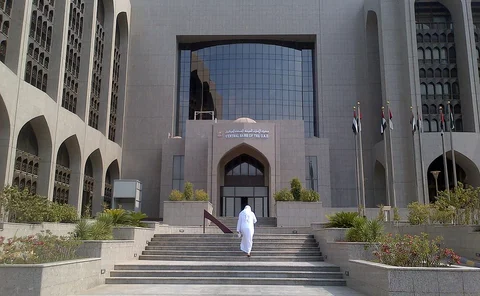
UAE central bank hails new financial stability remit
Financial stability report notes NPL levels have risen, but banks are also making larger provisions