
Seigniorage
Central bank credibility not just about legislation – paper
NBER researchers say once independence has been granted, trust still has to be earned


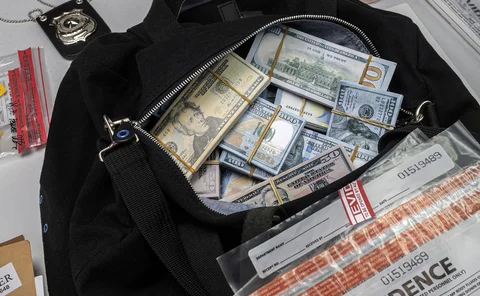


Currency manager: Central Bank of Curaçao and Sint Maarten
The central bank overcame a nine-year hiatus to launch the Caribbean guilder

Ex-ECB official: central banks need to vouch more for CBDCs
Monetary authorities have been cornered by banking industry, argues Ulrich Bindseil

Some central banks expect CBDC to boost seigniorage
Result depends on design features of digital currency, with many central banks unsure of the outcome

Why Europe cannot afford to delay the digital euro
CBDC would counter the erosion of sovereignty as cash recedes, substitution by foreign digital monies and weaponisation of access, argue Biagio Bossone and Céu Pereira

The ‘EuroLiber’ for depoliticised payments
Biagio Bossone explains how Europe could provide a neutral anchor to support international payments

ECB’s Cipollone reveals plans for digital euro infrastructure
Mobile app to enable “basic functionality”, with transactions processed in three different regions

Central banks must rethink their accounting treatment of money
Biagio Bossone and Massimo Costa call for money to be accounted for as equity for the issuer and as a public asset for the economy

Rewriting the monetary balance sheet
Biagio Bossone and Massimo Costa write that a new accounting approach is needed for central banks and commercial money in the digital age

US dollar dominance: beyond the ‘exorbitant privilege’
Biagio Bossone argues that dollar ‘seigniorage’ extends into the very structure of global finance and its ‘exorbitant privilege’ is worth up to $804 billion annually

Fintech Benchmarks 2025 – executive summary
Benchmarks shed light on research priorities, progress with CBDC and use of cloud

Accounting for banknotes
Three leading experts on central bank finances debate the appropriate treatment of currency

The monetary base and seigniorage in a digital era
Rapid technological innovation in payment systems portends declining demand for money. Emerging markets and low-income countries may have to lower their expectations of seigniorage revenue
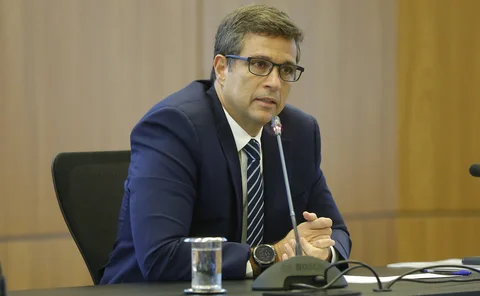
Campos Neto on inflation targeting, independence and the future of financial intermediation
The Brazilian governor speaks with Christopher Jeffery about tackling inflation, the need for financial autonomy, and redefining the financial landscape with open finance, programmable Pix, deposit tokenisation and sound cross-border payments governance

Book notes: How a ledger became a central bank: a monetary history of the Bank of Amsterdam, by Stephen Quinn and William Roberds
A masterful piece of monetary history that is relevant to modern-day central bankers

CBDC will not reduce seigniorage, panellists say
Communicating need for CBDC is hard, officials tell Central Banking Summer Meetings

Bundesbank’s Nagel: central bank business models are changing
Panetta says wholesale CBDC likely to launch sooner than retail; Das gives update on digital rupee

The ECCB’s Timothy Antoine on currency union, cooperation and DCash 2.0
The ECCB governor speaks with Christopher Jeffery about maintaining a currency zone, addressing climate and cyber risks, the decline in correspondence banking and lessons learned from issuing a retail CBDC

Agent-based models shed light on CBDC dynamics
Take-up could be as high as 25% of total money, but depends on design choices, IMF research finds
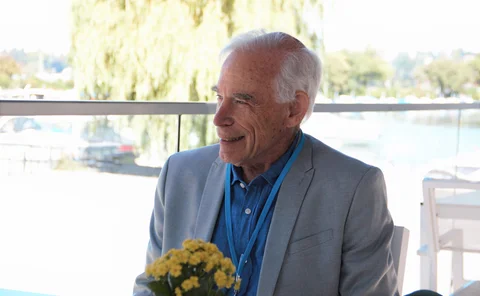
Christopher Sims on modelling the inflation surge
Unprecedented series of shocks creates major challenges for central bank forecasters, the Nobel Prize-winning economist tells Daniel Hinge

How central bank mistakes after 2019 led to inflation
Central banks must acknowledge their own mistakes and outline concrete steps to restore the public’s confidence in their ability to ensure price stability, write Graeme Wheeler and Bryce Wilkinson*