
Regulation

RBI’s Das calls for more work on financial market development
Development has proceeded at “unprecedented pace” despite series of crises, governor says

Stefan Ingves on leadership, prudential oversight and transparency
The Riksbank and Basel Committee veteran speaks about his leadership philosophy, Basel III deal-making and concerns about regulatory rollback, the value of QE and negative rates, and the need for a legal architecture for CBDCs

Over four-fifths of banks have yet to update APP risk mitigants
Most emerging market institutions plan to improve climate provisions in near future
Financial risk teams have higher staffing ratio than other units
Cyber risk and other threats prompt greater staff allocation to sub-units

Saudi Central Bank consults on draft banking law
Law’s goals include “enhancing banking secrecy” and improving depositor protection

Bank of Jamaica to regulate non-bank sector after fraud scandal
Central bank takes over from commission after alleged crime that targeted Usain Bolt

Lael Brainard may take White House post
Biden could ask Federal Reserve vice-chair to lead economic council, reports say
Financial risks report published across 75% of jurisdictions
Frequency of publications and levels of transparency vary across jurisdictions
Centralised departments more likely to face new responsibilities
Respondents reported changes in risk approaches to the environment, and banking and insurance supervision
Risk management staff earn many multiples of per capita income
Risk managers paid more in richest jurisdictions but poorer countries still pay competitive wages

South Sudan central bank orders pricing in pounds
Governor orders end to use of pricing in foreign currencies in private and public sectors

A suptech transformation: using tech to support the full supervisory lifecycle
Regnology explores how – with the appropriate platforms, partners and processes in place – supervisory technology can be utilised as a driver of transformation.
Use of defined project risk and delegated risk metrics declines
Around three-quarters of central banks have distinct institutional risk appetite

Why central banks shouldn’t ignore stablecoins
Rapid growth of stablecoins could impair monetary policy transmission
ISO 31000 remains top framework for risk managers
Majority of banks blend international frameworks with domestic solutions
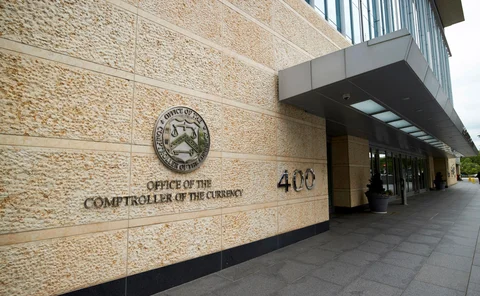
Some US banks “too big to manage”, OCC head warns
Acting comptroller Michael Hsu says agency may clarify regulation to improve governance
Most central banks still not using GRC systems
AE respondents more likely to favour integrated system versus EME counterparties, in a reverse to 2022

Nepal central bank prohibits overseas investments
Move follows import restrictions in 2022
Most central banks track key risk indicators
Few banks consider improving current scope of KRIs, others to unveil soon
Fewer than half of central banks have a CRO
Risk management committees more popular, present in more than four-fifths of jurisdictions
Most central banks completed risk management review in 2022
Overall, 63% of institutions carried out internal audit and management reviews, 48% a external review

Ban, contain, regulate: BIS weighs crypto policies
Central banks can do more to address inefficiencies in the monetary system, authors say
Cyber security topples reputational risk as first concern
Overall, close to 39% of institutions place cyber as their top concern, 20% select reputational factors

Zambian central bank needs more safeguards, IMF says
Fund says central bank’s independence is still under threat despite reforms