
Financial crisis

Rajan and Weber: central banks may fail next crisis test
Heavyweight economists say central banks may well find themselves intervening at the next major liquidity crisis, despite ostensible progress on resolution

Fed fines Deutsche Bank on Volcker rule breach
Bank hit with fines for “unsound” practices in forex markets and violation of Volcker rule; Fed’s Powell admits the rule may need simplifying

Singapore governor says financial regulation would benefit from ‘fine tuning’
Regulation has helped strengthen the financial system, but policymakers should be wary of “pendulum swings”, Menon says; central banks should “not be afraid” to make adjustments

Volcker fights back as prop-trading ban comes under attack
Former Fed chair tells Risk.net that calls for total overhaul of eponymous rule are misplaced

Brazil stands out for ‘pioneering work’ in trade reporting – FSB
Peer review finds the South American nation has overcome many of the issues plaguing others, making it a leader among FSB jurisdictions

Kashkari rejects Dimon’s claims on too big to fail
Minneapolis Fed chief rebuts assertion by JP Morgan CEO that US banks are no longer too big to fail; says capital is too low, not too high

BBC claims ‘secret recording’ implicates BoE in Libor scandal
Phone conversation transcript suggests government and Bank of England put pressure on Barclays to lower its Libor submission

BIS report: build liquidity co‑operation early to prepare for crisis
CGFS report urges central banks to build networks domestically and across borders to have liquidity ready for the next crisis

‘Ambitious’ capital markets union necessary – Constâncio
Better eurozone capital markets would smooth regional shocks, ECB vice-president says
Fed paper searches for optimal bank capital
Study weighs higher cost of equity against the reduction in costly financial crises implied by higher capital, estimating an optimal figure
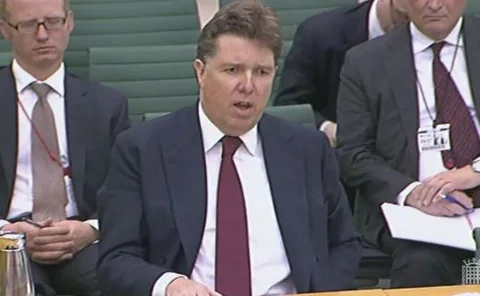
Tucker: policymakers should focus on resilience and clarity
Central banks would gain legitimacy if they could better explain their models of systemic crises, and if politicians specified a particular risk tolerance, says former BoE deputy governor Paul Tucker
Fed’s Dudley discusses unwinding of balance sheet
Should reinvestment end “abruptly”, financial conditions would tighten, New York Fed president said; tapering “gradually and predictably” is the way to go, he adds
Financial constraints fuel price mark-ups, Italian paper finds
Researchers use data on Italian economy in 2010 to 2013

Fed authors construct ‘financial stability sentiment’ index
Index derives sentiment from central bank financial stability reports, finding a drop in sentiment tends to precede a “significant deterioration” of financial indicators

RBA’s Bullock says central banks are ready to ‘take action’
Old school of thought regarding asset bubbles abandoned following financial crisis; macro-prudential tools are helping policymakers “clean up”

Deregulation could lead to further crisis – Lautenschläger
ECB supervisor worried by politicians’ calls for regulatory loosening

Central banks’ liquidity injections may amplify bank runs, paper argues
ESRB paper looks at 2008 US crisis using simple model of bank runs

BIS authors spot structural break in bank financing
Research identifies turning point in how banks fund themselves around 2008, with greater reliance on branches and subsidiaries

Scrap micro-foundations to repair macroeconomics – Steve Keen
Professor says economy should be viewed as a dynamic system with credit playing a crucial role, arguing we should ditch models such as DSGE

BoE paper isolates loan supply impact of credit crunch
“Rich, tailor-made data set” informs study of how pre-crisis bank lending characteristics may have impacted post-crisis credit supply
MAS director calls for firms to promote good governance
As regulations shift towards strengthening culture at firms, there is only so much central banks can do, MAS’ Ngiap says; firms must put customers before profit

Lifetime achievement award: Donald Kohn
Donald Kohn’s objectivity, intelligence, humour, tireless energy and iron determination to get the job done epitomise the role of a dedicated public servant. He serves as an inspiration to others

BoE paper raises risk of ‘bubbly growth traps’
Asset bubbles can direct resources to low-productivity sectors, which could explain the long hangover from recent crises, author says

Economic shocks more likely to spread within EU – new research
Researchers use new model to measure propagation of regional shocks in Europe