
Data

Economics department staff total just over 70 on average
Average number of research economists remains smaller than policy economists

European Commission lowers 2023 GDP growth forecast
EC expects eurozone economy to expand by 0.6% this year

Supervisors face reputational risk from fraud, Basel Committee says
Surveys shows some forms of digital fraud are rising, but data gaps are “significant”, paper warns
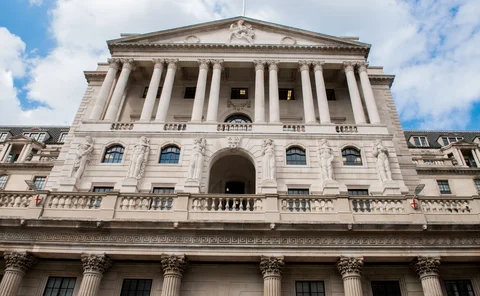
BoE unveils monetary policy shocks database
Data reveals change in markets’ focus since introduction of “Super Thursdays”

Banknotes rarely portray current monarchs or presidents
Central banks favour other historical figures, but few institutions feature people from minority groups
Central banks tend to outsource banknote printing
De La Rue is most commonly used printer among respondents

Data sharing as a policy intervention
Increasing access to data represents another policy lever regulators can pull to achieve their objectives, writes David Bholat

Most central banks forecast currency demand over 1–3 years
Minority of institutions use big data for forecasting purposes
Fewer than 100 staff work in currency divisions on average
Duties including upholding Covid-19 countermeasures in some jurisdictions
Average value of counterfeit banknotes rises
UV ink the most common security tool used in battle against fake banknotes
Polymer adoption stalls in 2023
Only two benchmark respondents have concrete plans to change substrate
Central banks maintain average of four cash centres
Figure has remained stable for the last five years
Slightly more central banks have access-to-cash policies
Almost two-thirds of respondents have access policies and nearly half minimum service rules
Majority of central banks maintain currency denominations
Only a few countries removed denominations from active circulation in past five years
Visual aids nearly universal on banknotes
Majority of respondents use four or five features on their paper currency

New Zealand to publish new monthly price data
Central bank says the new data will be valuable for policy-making
Central banks report increase in value of banknotes in circulation
Average volume of notes declines by 2.9% year on year

IMF economists build financial stress index for 110 countries
Text-based method allows economists to assess both duration and intensity of financial crises
Central banks report continued fall in cash usage
Share of cash payments remains high in upper-middle income jurisdictions, but falls marginally overall

Public trust: the role of the private sector in exploring digital currency
Digital currencies that effectively protect financial privacy in lawful transactions will garner enduring confidence in the highly integrated networks of the future, argue J Christopher Giancarlo and Daniel Gorfine

EU data protection bodies raise concerns about digital euro
EDPB and EDPS request central bank explain how it will process and protect data

BoE should ‘step up’ data analysis, review says
Independent Evaluation Office urges central bank to embrace cloud and explore AI

CPMI pushes for harmonised cross-border payments data
Launch of minimum standards aims to tackle risk of inconsistent ISO 20022 messaging

Reserve Benchmarks 2023 – model banks analysis
Benchmarking data sheds light on key differences in reserves management strategies in advanced, emerging and developing economies