
Cyber security

The race to adopt ISO 20022 payments messaging
Some jurisdictions do not plan to adopt the protocol, while others are preparing for a disjointed implementation

Hackers target Iran’s central bank website amid protests
Internet blackout reported on September 21

CBDCs require increase in cyber security budget – BIS survey
Central bankers deem financial sector underprepared for cyber attacks

Financial Stability Benchmarks 2022 report – executive summary
Data sheds light on how central banks are dealing with risks to stability

Privacy commissioner closes probe into RBNZ cyber defences
Central bank has “made every change recommended and more” in wake of hacker breach

Ethiopia tells crypto firms to register with cyber security agency
National Bank of Ethiopia had said transactions using crypto are illegal
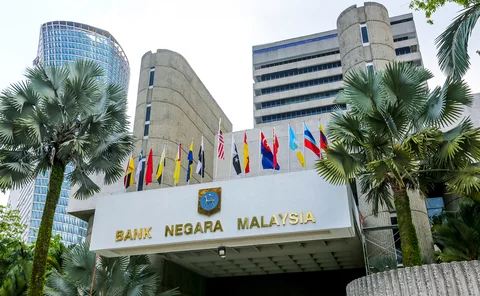
Malaysian central bank plays down impact of potential data breach
BNM says Malaysia’s payment system remains “safe and secure”

Central banks weighing up CBDC offline alternatives
Institutions are testing ways of allowing digital payments without the internet

Australia rolls out revised cyber testing regime
‘Corie’ programme reflects the scope and long time horizons of state-sponsored hackers

Iran imposes restrictions on payments
Authorities cite risk of cyber attacks, but economy has also faced capital flight

US targets North Korean crypto hacking
Treasury seeks co-operation to better enforce sanctions on North Korea and Russia
BIS unveils ‘post-quantum cryptography’ project
Innovation Hub centres will also explore climate disclosures and CBDC security

Filipe Dinis on Bank of Canada’s cyber strategy and tackling cyber risks
The Canadian central bank’s chief operating officer calls for heightened vigilance, more collaboration, info sharing and tabletop exercises, and less reliance on similar, siloed systems

Fintech Benchmarks 2022 – presentation
Central Banking’s fintech subject matter specialist Joasia Popowicz speaks with Chris Jeffery about strategy, staffing, cyber security, CBDCs, regtech and suptech, AI/ML and the cloud
Central Banking FinTech RegTech Global Awards 2022
Central Banking’s fifth annual FinTech RegTech Global Awards showcase the ground-breaking projects undertaken within the central banking community

Bangladesh appoints senior civil servant as central bank governor
Abdur Rouf Talukder will take office in July

Bank of Zambia repels cyber attack
‘Hive’ hacker collective fails to steal valuable data and central bank refuses ransom talks

Norges Bank flags rising cyber threats
Study finds payment system is efficient and offers lower costs than neighbouring countries
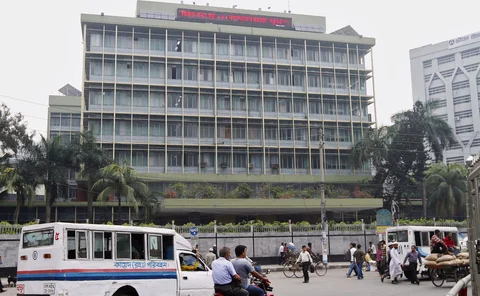
Bangladesh Bank heist casino boss faces lawsuit in New York
Bank asserts Kim Wong was involved in money laundering for North Korean regime

Chilean central bank to step up CBDC work
BCCH to carry out public outreach but says existing payments system may be enough

Risk Management Benchmarks 2022 – presentation
Central Banking’s risk management subject matter specialist Victor Mendez-Barreira speaks with Chris Jeffery about emerging risks, the organisation of risk management departments and the most influential approaches to risk management

Tech talent: a global bottleneck for central banks?
Central banks are struggling to recruit people with the right fintech expertise. The search for talent may also create new ethical challenges in managing links to industry

Some CCPs could struggle to cover major losses – FSB
Cyber attack could pose serious problems for systemically important CCPs, report finds

AML supervision at central banks: 2022 survey
Kroll explores why many central banks are investing in skills and data to tackle money laundering, but resourcing constraints are preventing stronger action, as Central Banking’s survey data reveals.