
Speech
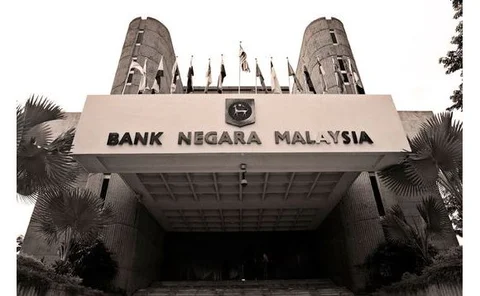
Malaysia’s Mohd Razif on strengthening Islamic finance
Bank Negara Malaysia’s Mohd Razif bin Abd Kadir says new Shariah-compliant commodity sales house will strengthen Malysia’s role in Islamic finance

Monetary and fiscal policies must link: RBI head
Reserve Bank of India’s Duvvuri Subbarao says monetary and fiscal policies must be coordinated in the future
King’s tribute to Lord George
Bank of England’s Mervyn King honours the memory of former governor Eddie George
Estonia to head straight for euro – Lipstok
Bank of Estonia’s Andres Lipstok says euro adoption is a key priority
Fed’s Yellen sees growth comeback by year-end
Encouraging signs for economy but recovery will take time, says San Francisco Federal Reserve president
Thailand’s Nijathaworn on Asia’s Achilles heel
Bank of Thailand’s Bandid Nijathaworn says Asia needs to decouple

Fed a natural for systemic-risk role: Tarullo
Federal Reserve’s Daniel Tarullo says safeguarding systemic risk is a natural expansion of the central bank’s role
Nigeria to support electronic payments: Sanusi
Central Bank of Nigeria’s Lamido Sanusi on reforming the national payment system
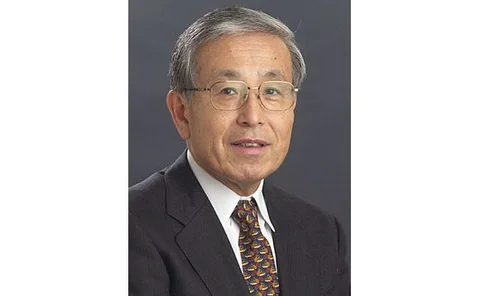
IMF’s Kato: most vulnerable receive more help
International Monetary Fund’s Takatoshi Kato says protection of the poor has improved

Yamaguchi sees recovery in latter half of 2009
Bank of Japan’s Hirohide Yamaguchi speaks on the outlook for Japan’s economy
Italy’s Draghi: industry must be supported
Bank of Italy’s Mario Draghi says labour and firms key in fighting Italy’s recession

India’s Chakrabarty: technology key in inclusion efforts
Reserve Bank of India’s Kamlesh Chandra Chakrabarty says that financial inclusion initiatives must have a business model

EU needs harmonised definition for regulatory capital
Kern Alexander from Cambridge University’s Judge Business School calls for increased supervisory consolidation across the European Union

Canada’s Jenkins wants more skin in the securitisation game
Bank of Canada’s Paul Jenkins on how to achieve sustainable securitisation
Yam on payment links beyond Hong Kong
Hong Kong’s leading central banker on extending the reach of the territory’s financial infrastructure
Mauritius’s Bheenick on local markets
Governor hails development of derivatives exchange
Fiji's Reddy: better microfinance data needed
Reserve Bank of Fiji's Sada Reddy on the challenges in developing and promoting microfinance in Fiji
US's Barr: hedge fund advisers must register
US Treasury's Michael Barr on the Obama administration's proposed hedge fund legislation
Thailand’s Watanagase on financial inclusion
Bank of Thailand’s Tarisa Watanagase on improving financial inclusion

Korea should improve management in light of recession
Bank of Korea’s Seongtae Lee says that central bank will enhance management practices for pubic benefit

Trichet says toxic clean-up needed
European Central Bank’s Jean-Claude Trichet says dealing with toxic assets is key to credit availability
Malaysia’s Zeti on international integration of Islamic finance
Bank Negara Malaysia’s Zeti Akhtar Aziz on factors important for sustaining the internationalisation of Islamic finance
A multi-tasking central bank responds better
Reserve Bank of India’s Usha Thorat says that its multiple objectives enhanced performance in the face of global crisis
Buba’s Fabritius questions Berlin’s commitment to Sepa
Bundesbank’s Hans Fabritius queries Berlin’s commitment to Single Euro Payments Area