
Research

Savings dampen monetary policy effectiveness – Fed paper
Central banks should track excess saving at a high frequency, authors recommend
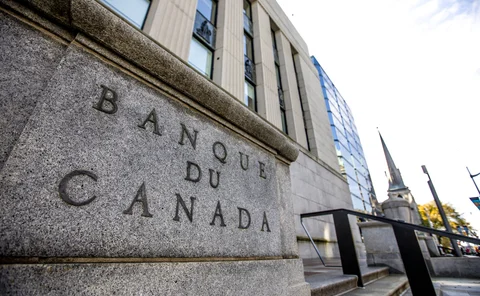
Policy tightening reduces labour productivity and presence – paper
Lower participation and labour supply have inflationary effects, Bank of Canada authors find

SNB researchers develop ‘more precise’ LLM-based risk predictor
New model allows for “more nuanced understanding” of types of uncertainty, researchers say

Global component of inflation surged in pandemic – research
Dallas Fed authors say international factors exert greater influence than they did pre-Covid

FSB warns of liquidity and maturity risks in tokenised assets
Report highlights financial stability implications if tokenised assets are widely adopted

Central banks must navigate impact of tokenisation – BIS
Paper weighs in on how policy-makers should react to innovations in financial market infrastructure

Colombian policy reforms boosted transparency, paper finds
Economists say central bank’s 2018-19 overhaul increased transparency based on two indexes

Global soft landing could ameliorate US inflation – research
Study by San Francisco Fed finds rising prices of domestic goods are tied to international factors

Small economies still trigger ‘substantial’ spillovers – IMF paper
New data on monetary policy shocks allows economists to track cross-border impact

Liquid assets best placed to reap benefits of AI – IMF report
Study explores risks and rewards to capital markets from emerging technology

CBDC design key to maintaining financial stability – IMF paper
Macro-prudential tools unlikely to be enough to offset risks from issuance of digital currencies

Policy-makers ‘cannot disregard food price shocks’ – BoE study
Working paper calls on central bankers to pay closer attention to headline inflation when setting rates

European banks warming to AT1 – National Bank of Denmark study
Lenders that rely on additional tier 1 capital are less capitalised, says new research

‘Pooling’ models generates better output gap estimates – paper
Economists say measuring gap in real time is particularly challenging in developing countries

Trade credit can expose firms to FX risk – BIS paper
Currency borrowers partially insulate their partners from shocks, but still pass them along supply chains

Eurozone policy transmission ‘more pronounced’ in 2022–23 – study
Banks’ increased risk perceptions underpinned swifter pass-through, says Bank of Italy research

Fiscal upside, economic downside to EU deficit procedure – study
Fiscal consolidation sometimes led to restrictive pro-cyclical stances, research finds

Stablecoins are not ‘crypto safe haven’ – ECB paper
Shocks in crypto markets significantly reduce stablecoin market capitalisation, researchers find

The Netherlands Bank overhauls nowcasting model
Economic dynamics have become more complicated since the pandemic, economists say

Financial system needs to be ‘quantum-ready’ – BIS study
Working paper reviews benefits and risks of computing technology

High Russian growth ‘extremely unlikely’ – Bank of Finland study
Reports shows labour shortages, capacity constraints are beginning to bite

US auto loan delinquencies focused in new lending – study
Lower credit standards and higher payments, not interest rates, are key contributing factors

Machine learning can improve inflation forecasts – IMF paper
Model for Japan is “easily interpretable” and overcomes some drawbacks of standard models

Banxico study points to knowledge gap in analysis of Fed policy
Examining “information shocks” can lead to better assessment of the impact of FOMC decisions