
International

IMF economist takes on vexed question of macro-pru calibration
Housing markets are “at a turning point”, says Laura Valderrama, and policy faces tough trade-offs

Saudi Arabia in talks to join Brics bank
Gulf state would join as Shanghai-based lender increases non-dollar operations

Third-party risks are a first priority for central banks
Cyber and concentration risks crystallise co-operation between critical infrastructure providers

Hank model reveals monetary non-neutrality
Inequality and zero lower bound suggest monetary policy can impact long-term real rates

BIS’s Restoy warns of limits to deposit insurance reform
Better use of supervision could solve many issues without deposit insurance reform, official says

Central banks should abandon floor systems – BIS’s Borio
Abundant reserves are causing distortions and could hamper policy-making, economist says

‘Robust’ wage growth consistent with disinflation – BIS paper
But firms need to avoid increasing their profit margins, authors find

Trends in reserve management 2023: survey results
Insights on inflation, asset diversification, geopolitical risk, risk management frameworks and ESG adoption

EME central banks must keep policies tight, says IMF deputy
Gita Gopinath says “markets are probably too optimistic” about cost of lowering inflation

Dollar’s commodities link is creating risks, BIS paper warns
Simultaneous rises in dollar and commodities prices could harm stability, researchers say

BIS offers guidance on offline CBDC design
Half of central banks say offline payments are “vital” to CBDC design

Supervisors should take action on interest rate risk – BIS paper
Core regulation alone will not neutralise all current risks, Financial Stability Institute says

IMF’s Adrian on the systemic threat posed by a ‘weak tail’ of financial institutions
The IMF’s financial counsellor speaks to Christopher Jeffery about bank runs and emergency interventions, market and oversight failings, and the need for action on run rate assumptions, interest rate risk, deposit insurance, crypto regulation and a ‘weak…

Central banks have ‘long way to go’ on gender equality – IMF paper
“Multidimensional survey” finds eight major central banks are unequal on many metrics

Advanced economies face slowdown and stubborn inflation
Jagjit Chadha analyses the shifting outlook for the world economy, with more hard work ahead for central banks

Non-banks key to ‘absorbing’ sovereign debt – BIS paper
New database of key players in sovereign debt markets reveals EME reliance on non-banks

Macro-pru helps dampen global shocks – BIS paper
Authors find capital controls are less effective than prudential tools at offsetting shocks

Another financial crisis hiding in plain sight
Steve Kamin analyses how the risks that sank SVB were plain enough to those who looked for them

NBER paper proposes ‘resurrecting’ non-linear Phillips curve
Original version of the curve is “strongly non-linear” and helps explain current inflation, authors say
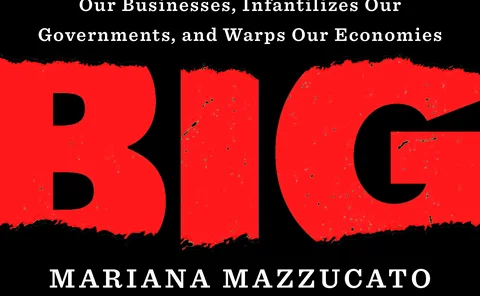
Book notes: The big con, by Mariana Mazzucato and Rosie Collington
The authors highlight that the excessive pursuit of efficiency results in ineffective government agencies

Regnology cements regtech-suptech dominance with Metadata acquisition
Series of bank collapses underscores need for timely data on firms’ regulatory metrics

Risk Management Benchmarks 2023 – presentation
Specialist Victor Mendez-Barreira discusses market volatility, cyber security and progress on climate change

Climate change and the role for central banks
Gavin Bingham, Andrew Large and Paul Fisher explain how climate change affects central banks and the competing tensions it raises in relation to policy responses

Higher inflation and rates will not reverse asset diversification
Most reserve managers expect diversification will continue, whether unchanged, accelerated or at a slower pace