
Asia-Pacific

Taskforce to overhaul Asian post-trade framework
Central banks of Hong Kong and Malaysia team up with settlement systems firm Euroclear to create pilot common platform to improve central securities depository infrastructure
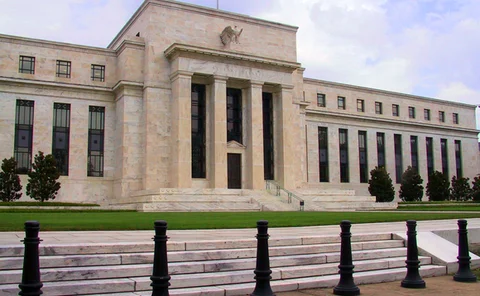
Central banks in biggest US Treasury sell-off for three years
Federal Reserve data shows foreign holders of US treasuries moved away from the dollar

RBA: Lowe revises Australian economy recovery upward
Reserve Bank of Australia assistant governor Philip Lowe links renewed growth in Australia to improved terms of trade
RBA: emerging Asia behind inflationary pressures
Reserve Bank of Australia says growth in emerging Asia is adding to inflationary pressures at home in its Monetary Policy Statement

Stimulus saved Asia, but currency changes crucial: ADB
Asia growth to soar on remnants of stimulus, but currency appreciation and capital controls key to long-term prospects, says Asian Development Bank

Chiang Mai currency swap deal comes to life
Regional $120 billion currency swap arrangement between ASEAN members and east Asian powerhouses comes into force

BoE’s Sentance: rate policy to offset fiscal tightening
Bank of England’s Andrew Sentance says monetary policy can compensate for the negative impact of fiscal tightening on demand

IMF deputy on drivers of the Asian recovery
International Monetary Fund first deputy managing director Murillo Portugal says Australia has done well as a result of Chinese commodity demand, but must watch out for a cooling off
Malaysia hikes as recession ends in emerging Asia
Bank Negara Malaysia raises its key rate by a quarter percentage point, citing stronger than forecast growth results in emerging Asia
Shogo Ishii to head IMF’s Asia office
Current head Akira Ariyoshi to take up academic post in Hitotsubashi University
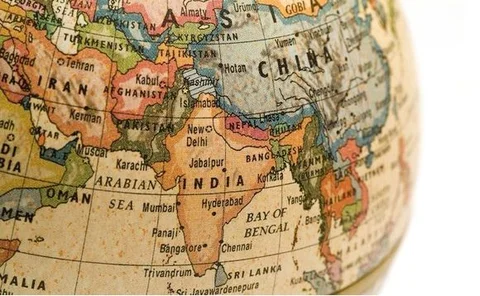
Three things you should know about Chiang Mai
The Chiang Mai initiative has cemented Asian financial stability. Jayant Menon, a principal economist at the Asian Development Bank, highlights three key themes to take from the project

HKMA’s Chan: Asian Crisis lessons were forgotten
Hong Kong Monetary Authority’s Norman Chan on drawing lessons from financial crisis

Norway’s SWF looks to emerging markets
Government Pension Fund-Global, the Norges Bank-run oil fund, thrived in the crisis as a result of its equity-laden and highly diversified portfolio, says government investment chief

East Asia will take its cue from Fed: Indonesia deputy
Budi Mulya, the deputy governor of Bank Indonesia, says it is crucial the Fed err on the side of caution in withdrawing accommodative measures; East Asia-Pacific region will watch it closely

Australia benefiting from Asian strength: Battellino
Reserve Bank of Australia deputy governor Ric Battellino says strong domestic demand in Asia has driven growth, and allowed the region to forge ahead of the North Atlantic in recovery

Interview with Donghyun Park
Donghyun Park, a senior economist at the Asian Development Bank, discusses reserve management post-crisis and fostering demand in Asia
Chiang Mai a complement, not substitute to IMF aid
Senior ASEAN official stresses that the regional reserve pool is not intended to replace support from other multilateral agencies
Asia’s moment
The timely infusion of government support has led to a resurgence in Asia that has caught observers off guard, argues Malan Rietveld

Chinese demand spurring east Asian growth: World Bank
Report says China fueling resurgence; cautions on performance elsewhere
Too-big-to-fail matters for macroprudence
Federal Reserve Board research looks at the dynamics of spillover effects of the global financial crisis to Asia and Pacific region

Strauss-Kahn covets lender-of-last-resort role
Dominique Strauss-Kahn says International Monetary Fund must become a global lender of last resort to temper emerging Asia's desire to hold reserves
Rethinking decoupling
The decoupling hypothesis has been one of the casualties of the crisis, Martina Horáková argues
Malaysia’s Zeti: bond market key to keeping savings
Bank Negara Malaysia’s Zeti Akhtar Aziz says a robust Asian debt market is crucial for investments to remain region